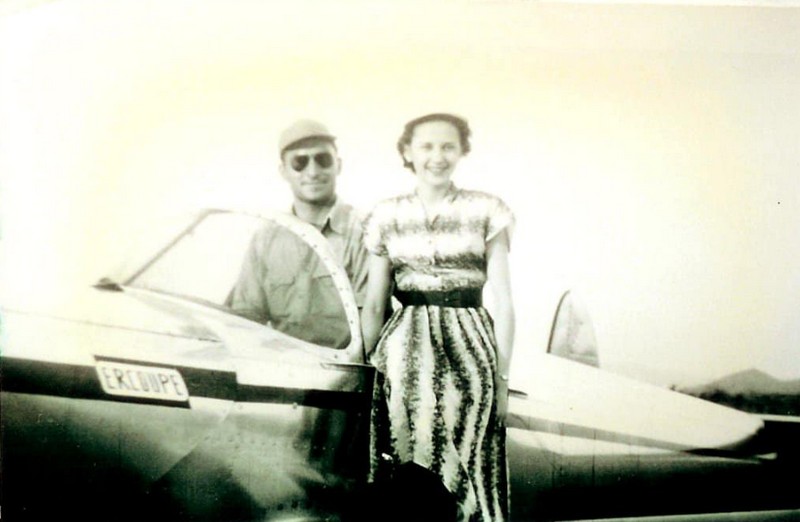
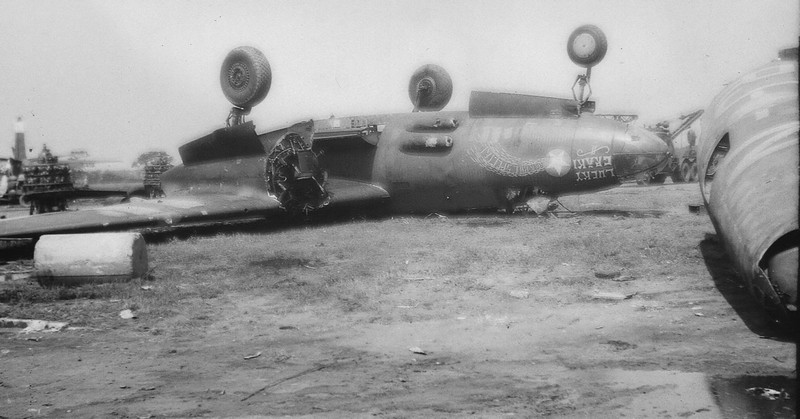
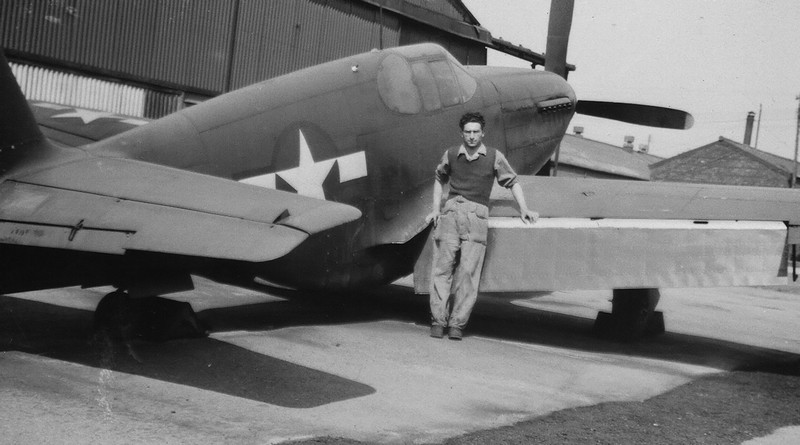
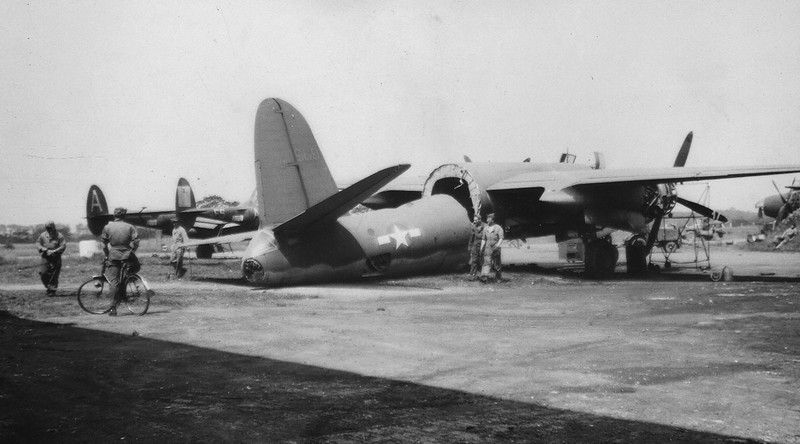
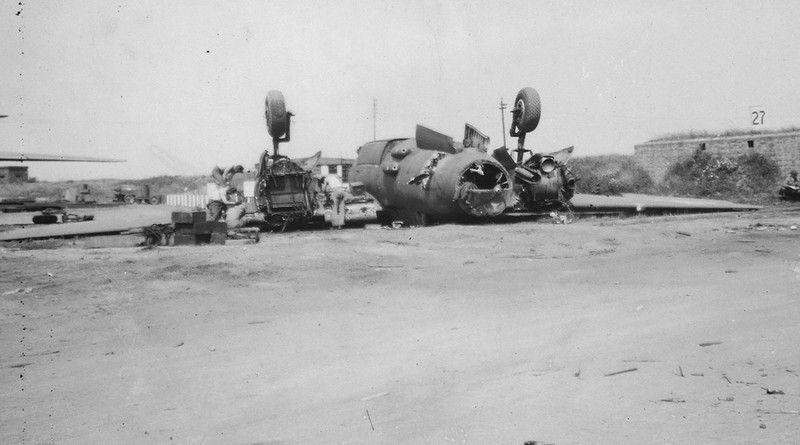
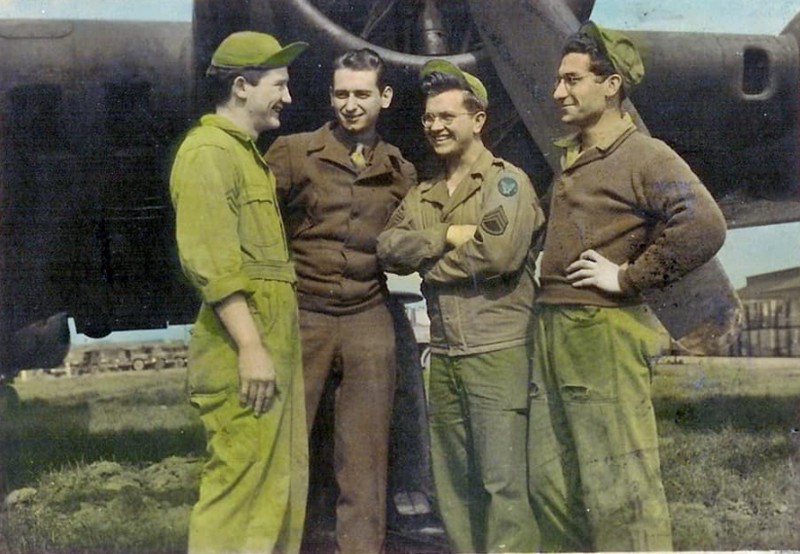
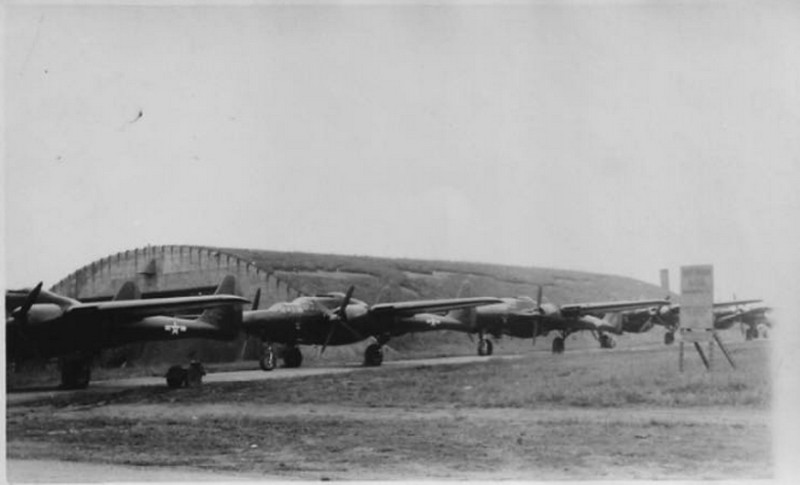
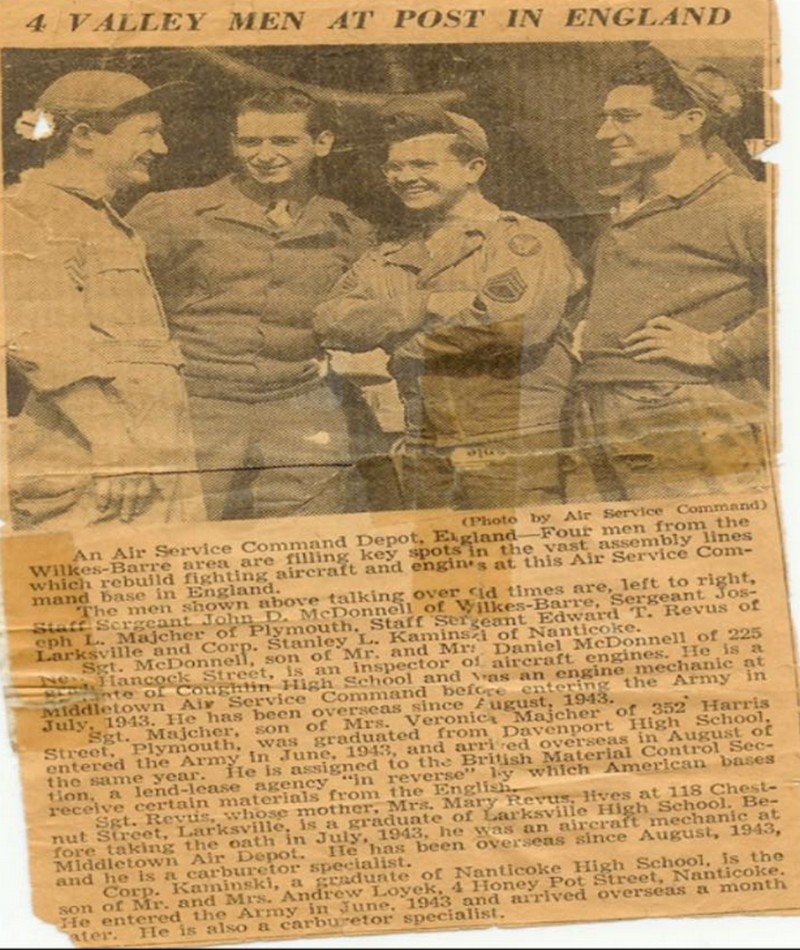
Station 590 USAAF <------To Go Back to MAIN Burtonwood Home Page Click Here <------To Go Back to Airfields Page Click Here The following information and photos have been kindly sent to us by Stan Kaminski whose Dad Stanley L Kaminski served at BAD 1 Station 590 USAAF Burtonwood Warrington England. Most of Stanley's photos were taken on the East side of Burtonwood road at the [BRD] Burtonwood Repair Depot site. "My dad, Stanley L. Kaminski, served at Burtonwood B.A.D No.1 maintenance division, Section 16, AAF 590 from July 1942 to Feb. 1946. Here are his pictures of B-17s and B-26s being scrapped at war's end and the engine shop he worked in along with engines on test stands. Dad specialized in carburetor repairs but did some engine repairs. In regards to scrapping, he said the guy by the B-26 Marauder used an axe to cut through its fuselage. They flipped planes on their back to finish them. The P-38 behind it was scrapped. Dad stands next to a flipped-over B-26, with Lucky Graki and Rock Hill Special on its nose. One picture of several P 61 black widows next to their hanger with grass on the hanger roof for camouflage. Also a Newspaper article about dad serving. The colorized photo show him at the far right next to a guy who looks a lot like Radar from MASH. November 20, 1945 dad wrote that four months ago my old base at BAD no. 1 broke up and the soldiers were sent to different places but he stayed in England until February 1946. This is the first time I’ve shared these photos online. After the war dad worked for Piper as a Line-Foreman of finished aircraft making J-3 Cubs at Lockhaven Pennsylvania—a picture of dad and mom in the Ercoupe he bought with his earnings from Piper and the war. Dad was from Nanticoke Pennsylvania."An upside down B 26 number 'Lucky Graki'
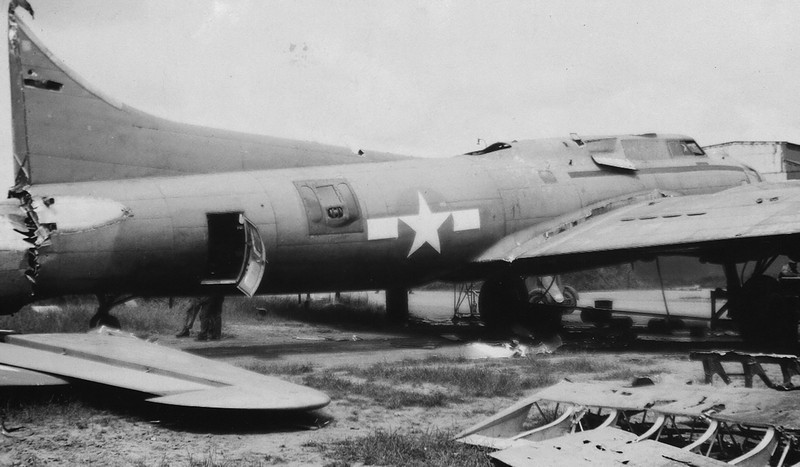
A B-17 without its outer wings & tail with five guys standing around an engine mountLooks like a B 26 in the left background?Take note of the shadow in the lower corner of the photograph from a steel structure.That may indicate it’s near a certain building
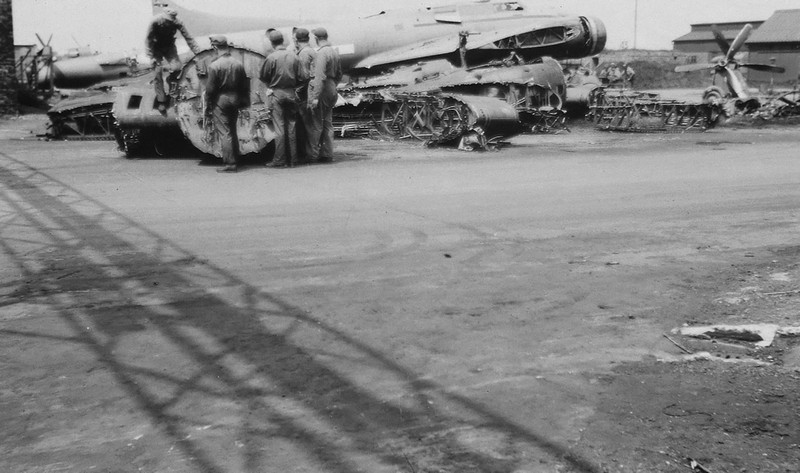
Stages of Scrapping at the BRD Burtonwood Repair Depot Site The B-17 has had its wings cut short so that it could be towed across Burtonwood road from the airfield In the background, you can see one of the depot engineering warehouse buildings. The Air Ministry built 10 sets of this type of depot building on the BRD Site
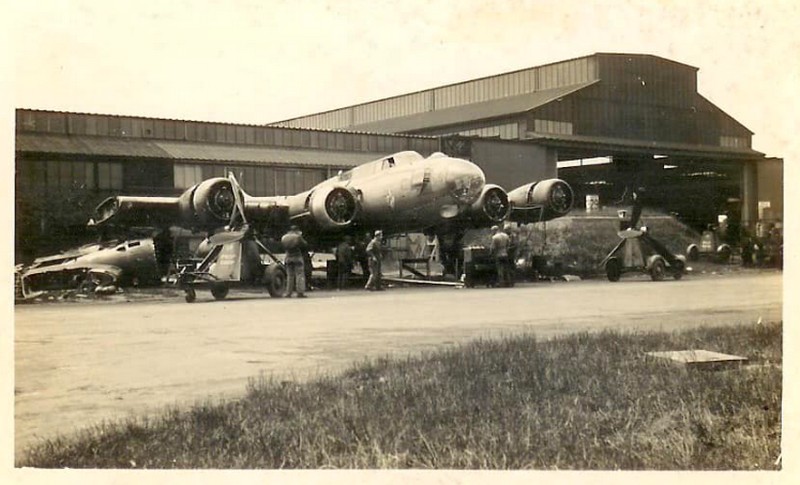
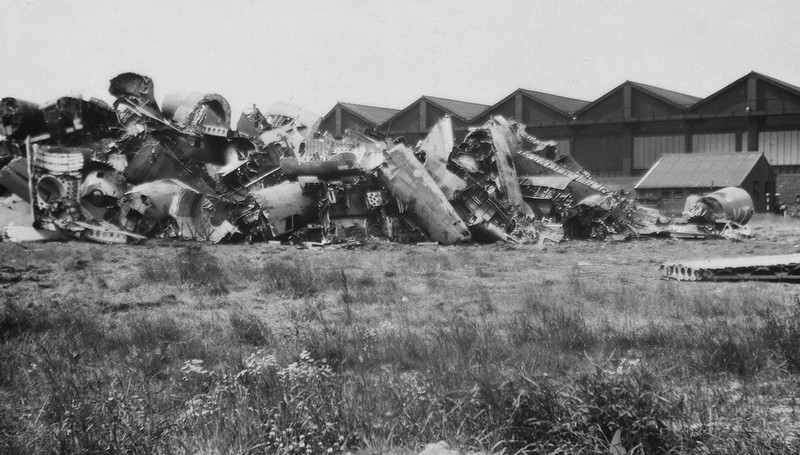
Transport to The Smelting Yards
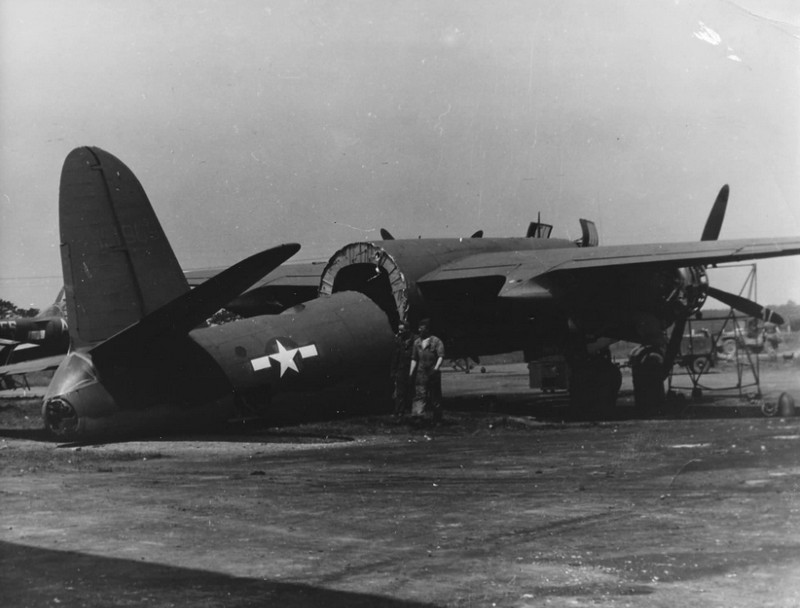
Through the Outer Skin of This Martin B-26 Marauder In the background with the white fence posts is the link Road for sites 4 & 5 - Mary Ann plantation trees on the horizon
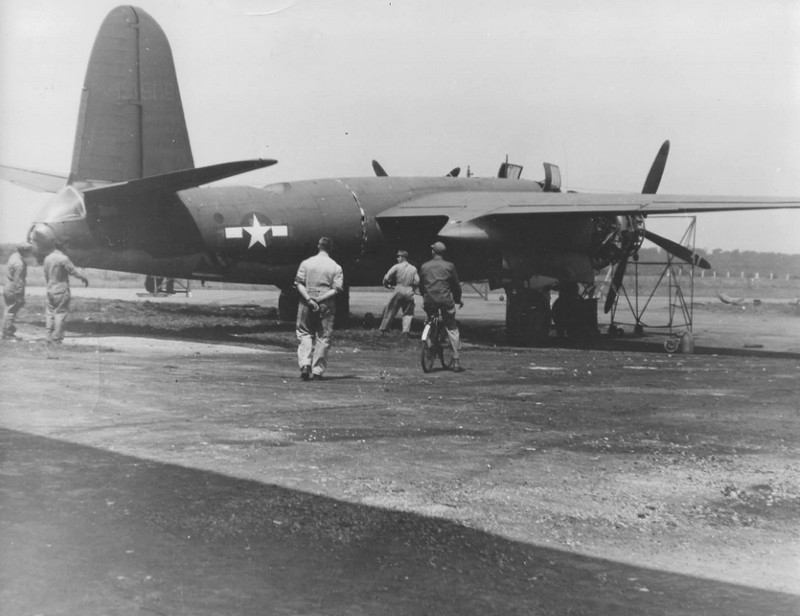
from the main body of the Martin B-26 Marauder
Marauder Lucky Graki - Rock Hill Special. Some of the aircraft were turned over to make the scrapping easier
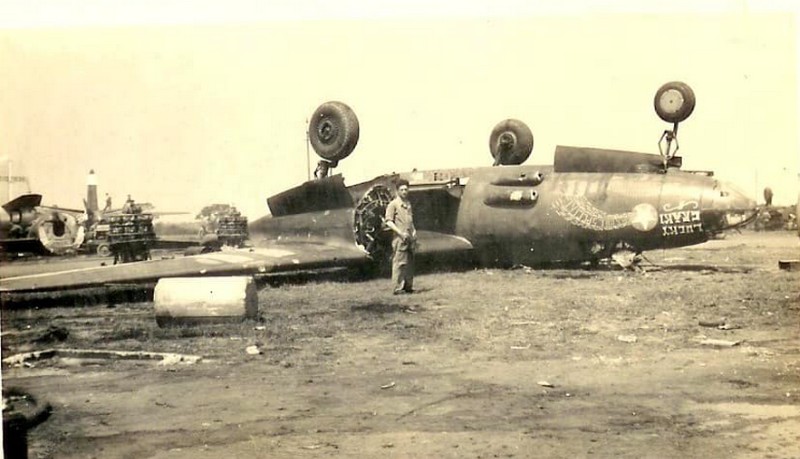
the 322 bomb group 452 bomb squadron Code Letters DR

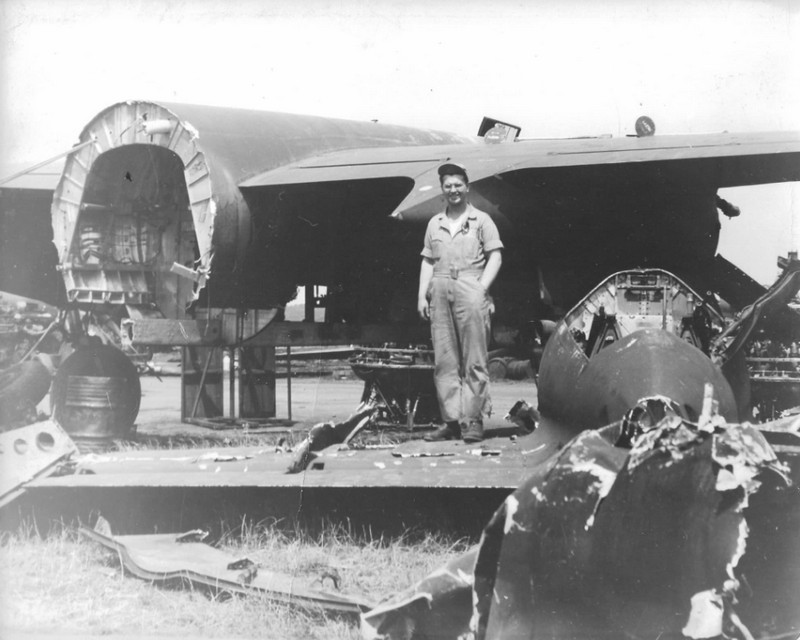
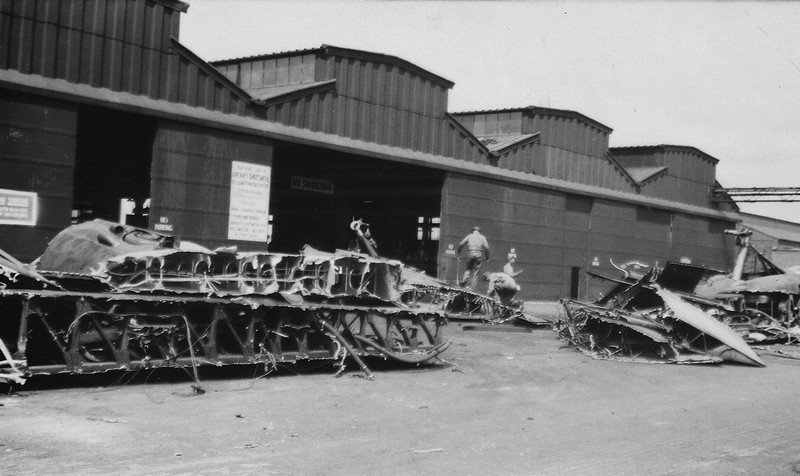
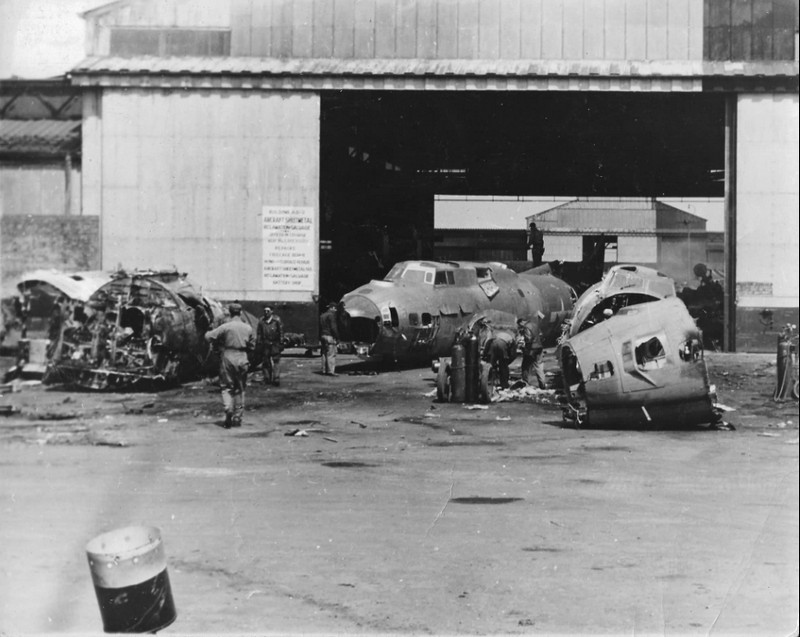
North end of the BRD site The A-type hangar is on the top left of the photo
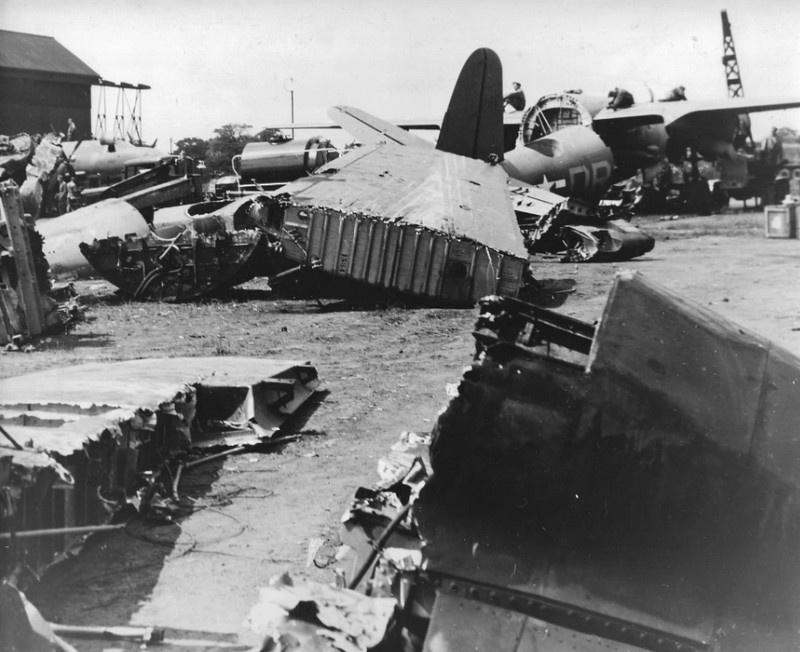
Complete Martin B-26s in the background. Some with the tails chopped off. Note invasion stripes on some pieces. The type A hangar on the left is the Aircraft depot paint shop. When the Americans arrived in ww2 this hangar housed 1,000 men as their living accommodation for 3 months, whilst their living sites were being built. The Burtonwood road is to the left behind the A-type hanger.

site with Dad on the far right
aircraft in front of one of the L- Type hangars at Burtonwood 6 L-Type hangars were built at Burtonwood 3 built at G-Site and 3 built at E-Site. A layer of earth and turf on the hangar-created excellent camouflage when viewed from above.
article about my dad serving
1,200 horsepower Air Cooled Radial engine as used on the Boeing B-17

were over 30 outside aircraft engine test rigs running 24 hours a day 7 days a week regardless of the weatherThe sound of these engines could be heard up to 2 miles away
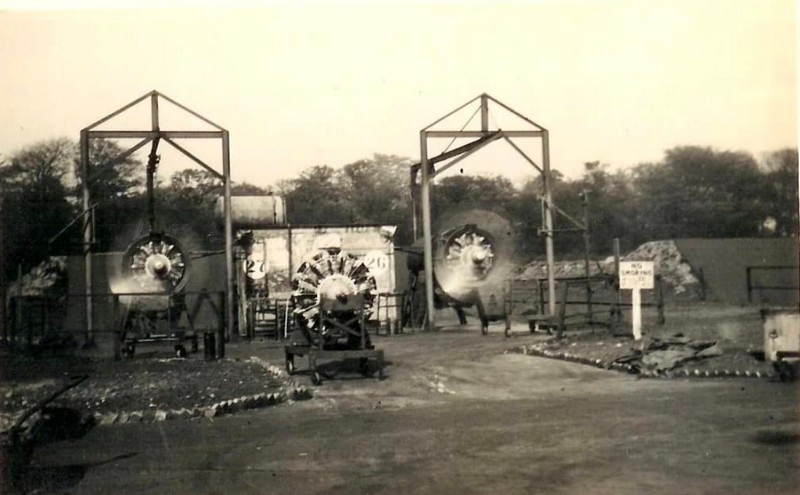
BRD Site that Dad worked in
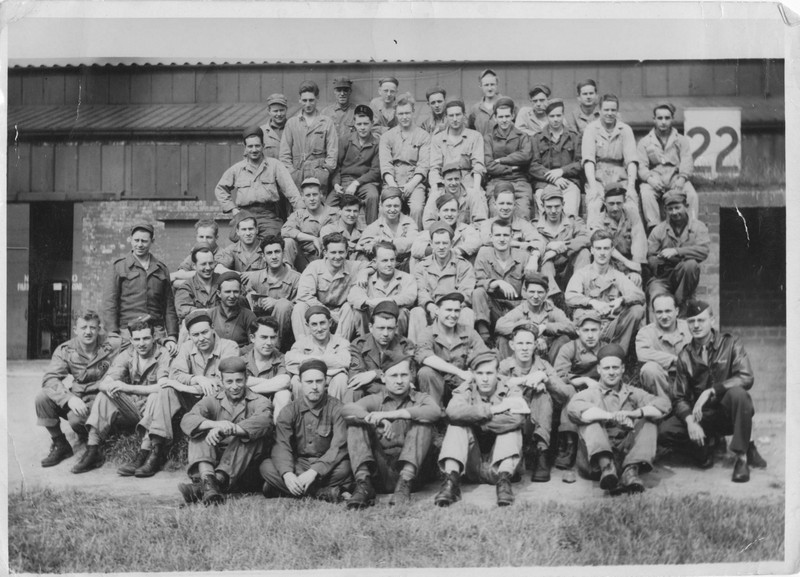
the [BRD] Burtonwood Repair Depot site - Dad is in this group somewhere but there is no caption
location of the aircraft scrapping area at the BRD Site

Repair Depot World War II

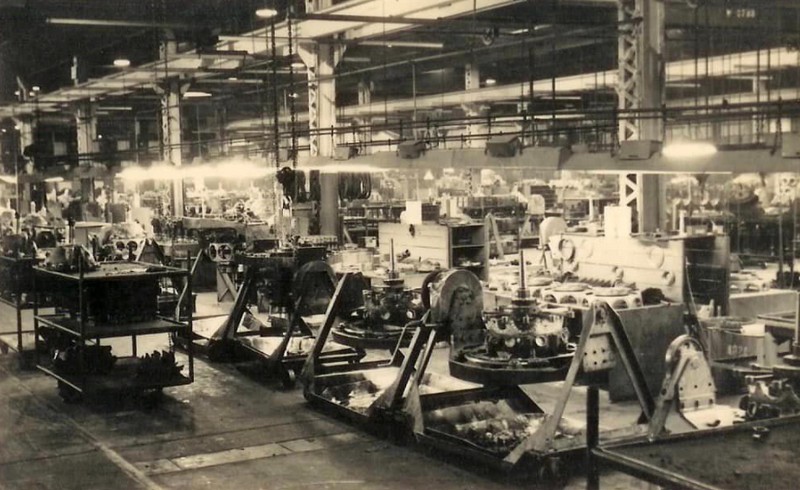
Repair workshop
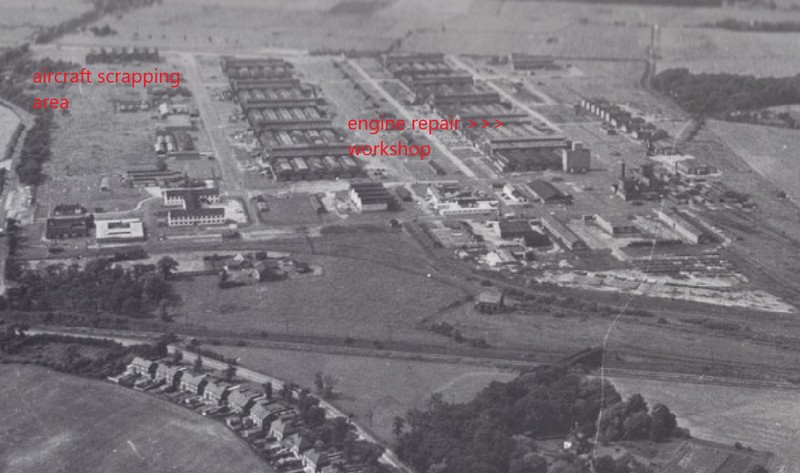
Burtonwood Airfield 2 miles west of the town of Warrington was ideally suited being nearby to the industries of Manchester and Warrington & also close to Liverpool docks and the main line railway. The site was selected in 1938 as a decision made in 1936 to build aircraft repair depots (ARD) with engine repair depots in the expansion periods of the inner war Years. Building work began in 1938 with no 37 maintenance unit Royal Air Force moving in on the 1st of April 1940. On the 11th of June 1942, USAAF arrived. The USAAF was handed complete control of the air depot. Work began on the construction of 6 large warehouse workshops with a total of 734,000 square feet of floor space. Work also began on an additional aircraft parking apron at a cost of approximately $2,000,000. By 1944 18,500 US personnel were stationed on Burtonwood being the largest USAAF base in Europe. The airfield was now known as 8th USAAF base air depot 1 (BAD1) station 590, although an RAF presence continued until 1943. BAD1 became the center for flight testing, overhaul, modification, and repair of all USAAF aircraft in Europe in World War 2. 30,386 aircraft engines were overhauled and over 11,500 aircraft were processed between 1943 and 1945.
Site 4 was named 'Earhart Hall' after the famous female pilot Amelia Earhart, and is located between Bewsey Old Hall and Twigg Wood and had accommodation for 1,200 personnel in WW2 and had 146 Nissen huts. The site could be approached by a roadway on Burtonwood Road opposite gate 12 at the North end of the BRD site, and also access could be gained from the gate at Bewsey Plus it had a hobby shop, chapel, and main store and even had its own ice cream plant. After WW2 the site was used in the on1950 and early 1960 and then it was abandoned.
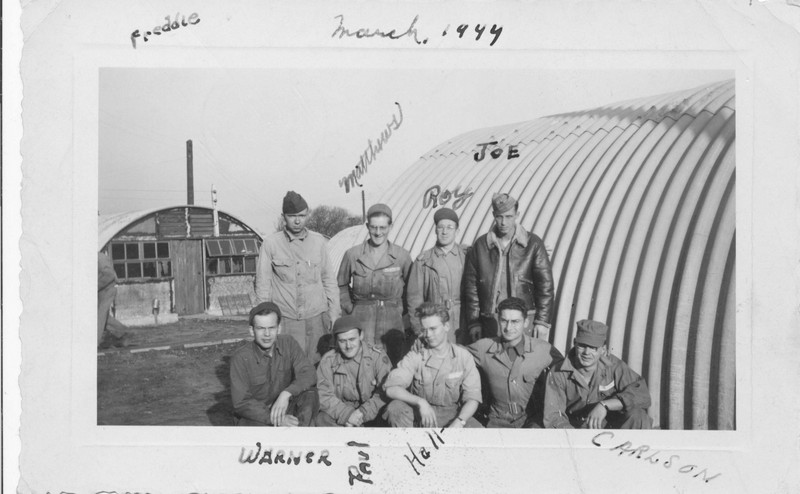
4 communal living site during 1944 - Dad is front row & 2nd from the right
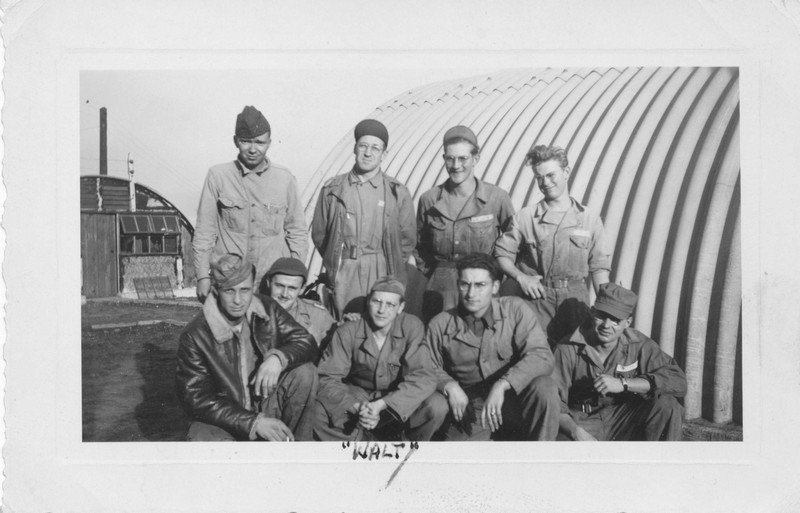
hut comrades with their names and some address on the back of the photo

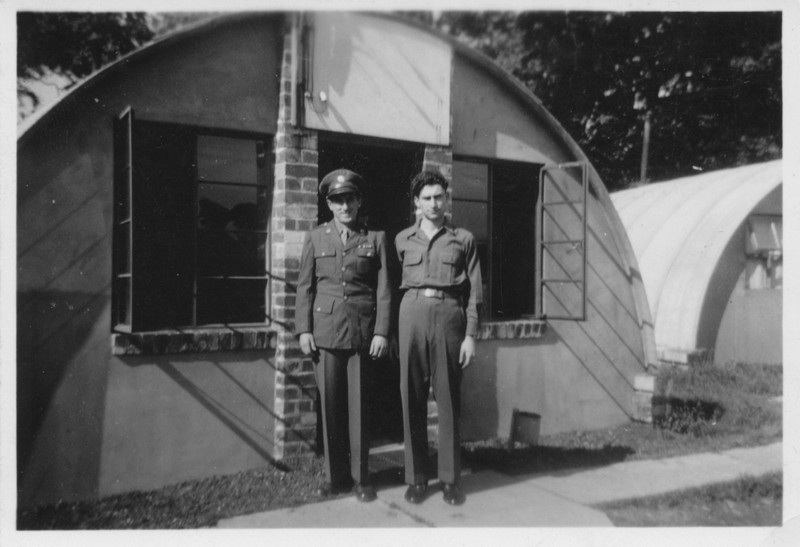
location at site 4
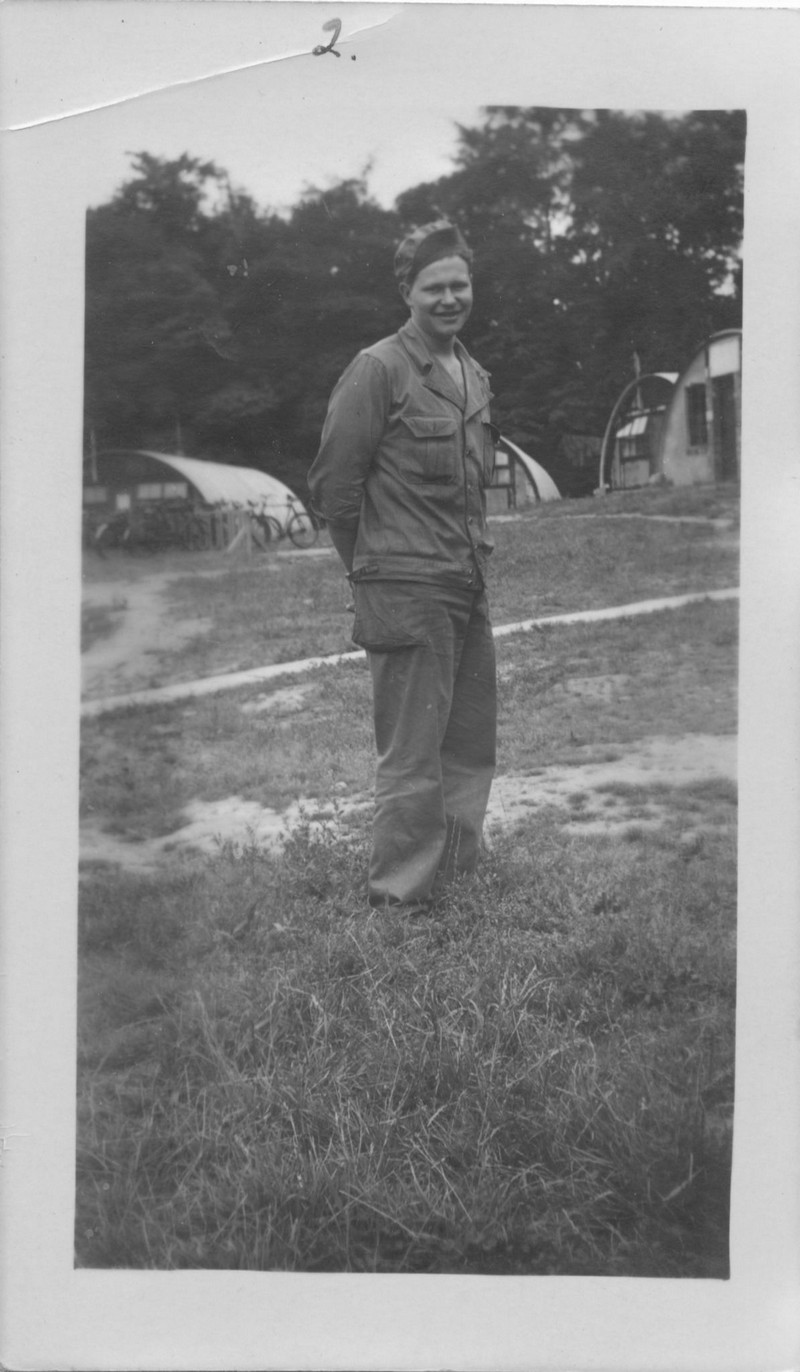
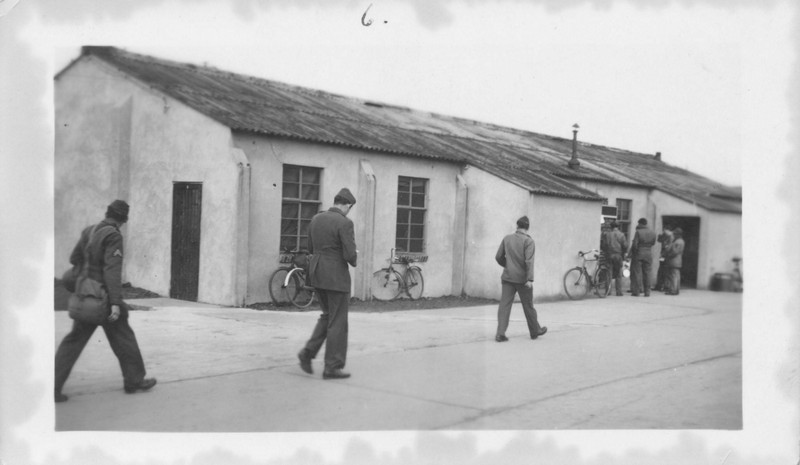
accommodation huts at site 4
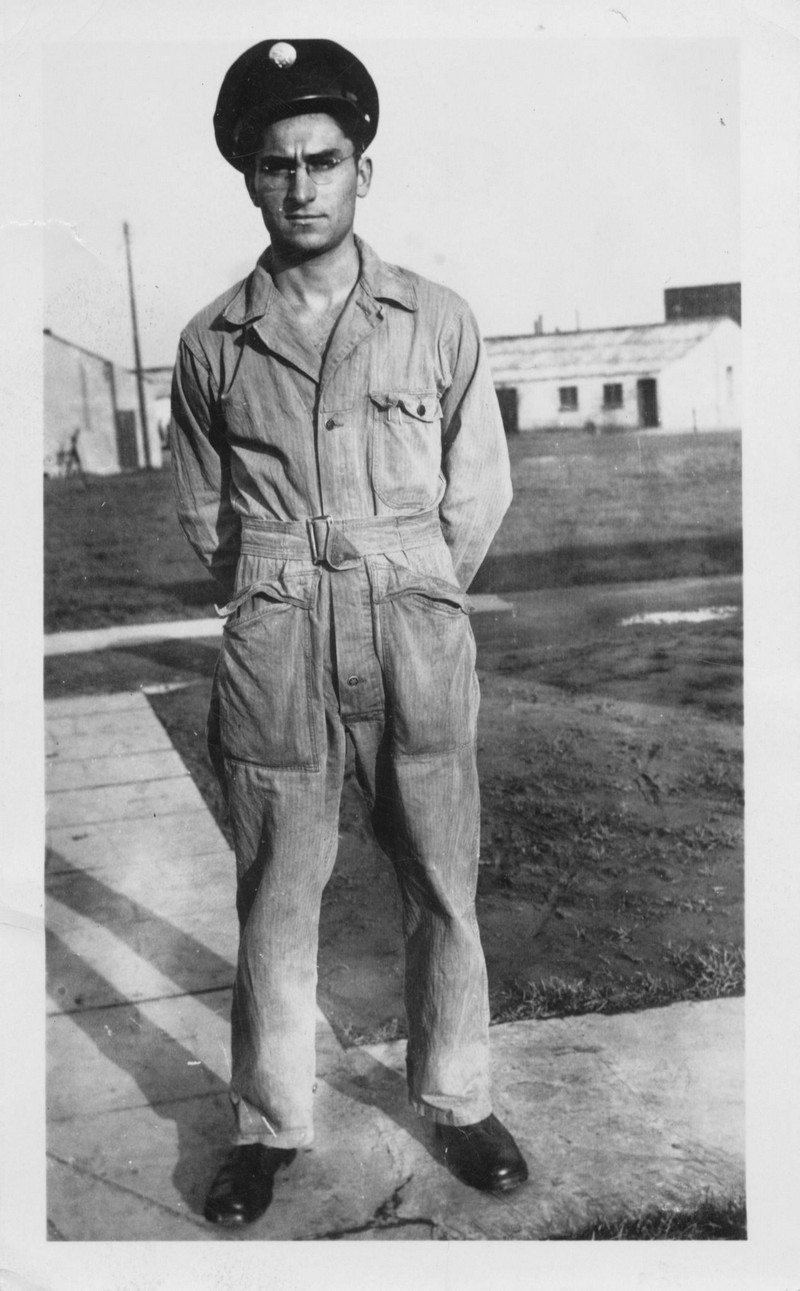
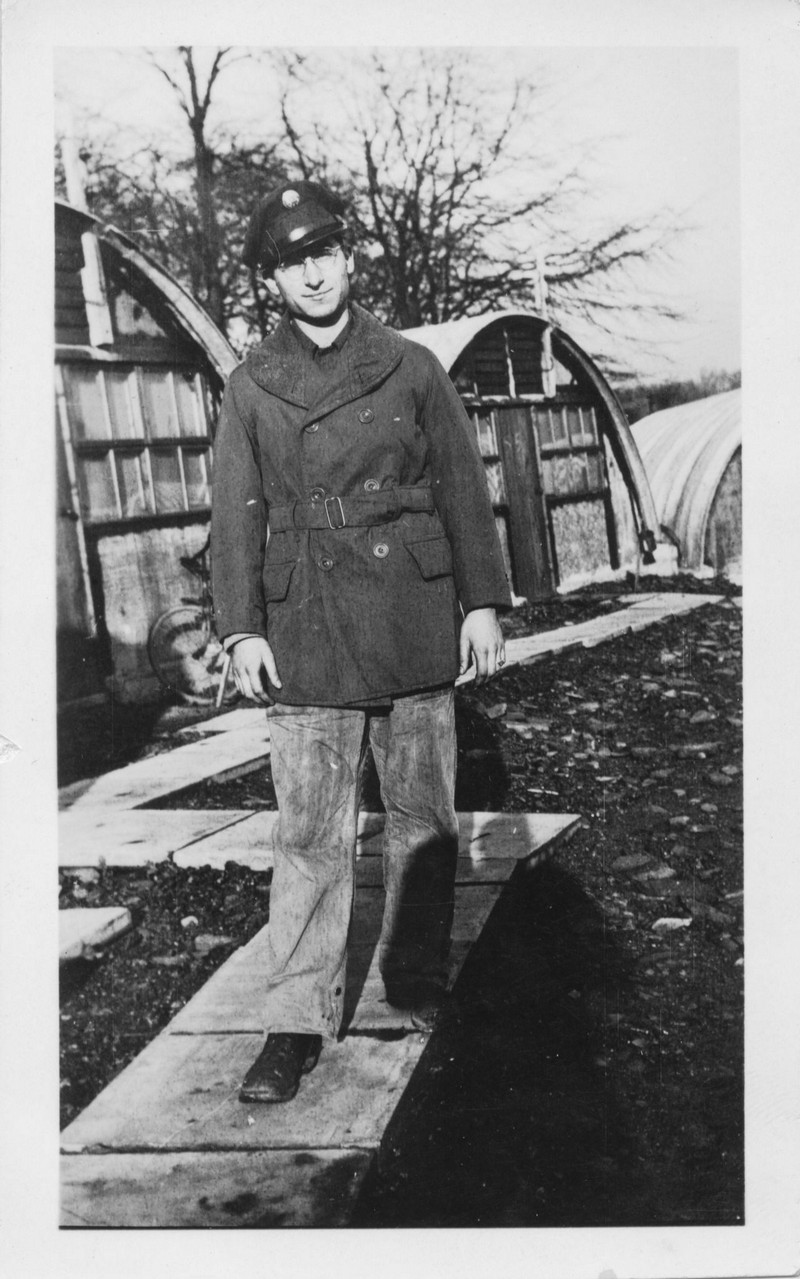
Dad in his work overalls at site 4
The Nissan huts were very cold to live in during the wintertime Pot Belly Stoves were used to heat the Nissen huts


Repair Depot - World War 2
Engine Repair workshop
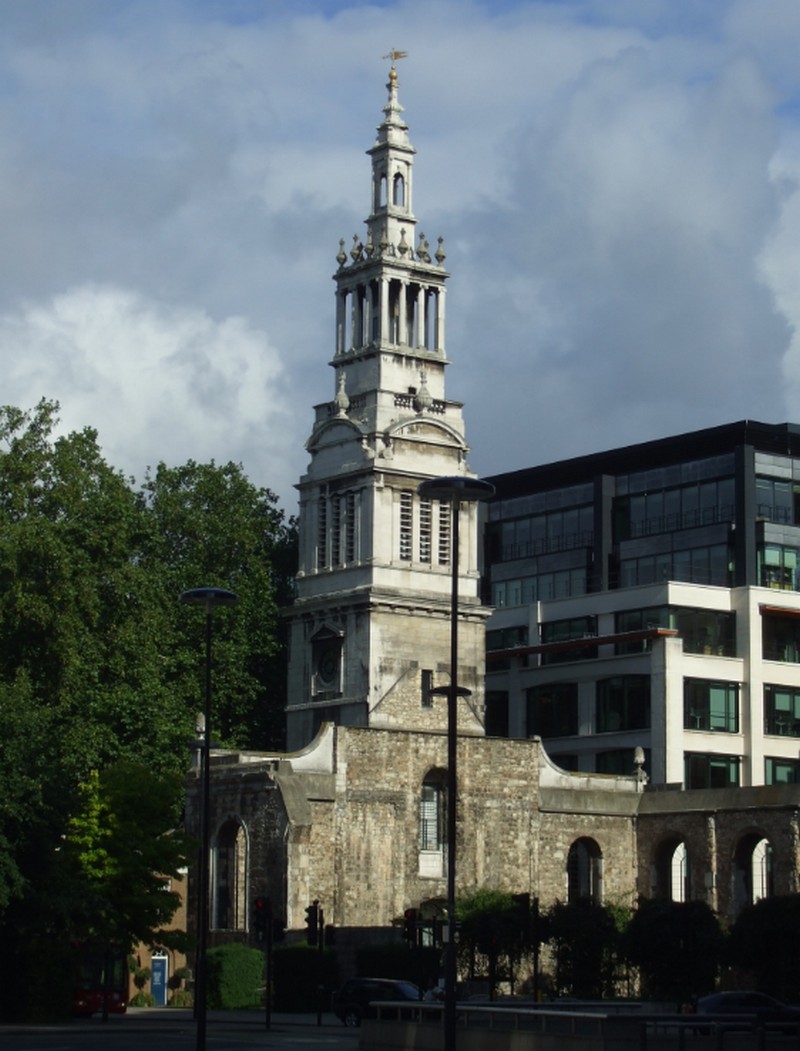
Christ Church Spitalfields can be seen on the top right of the bottom photo
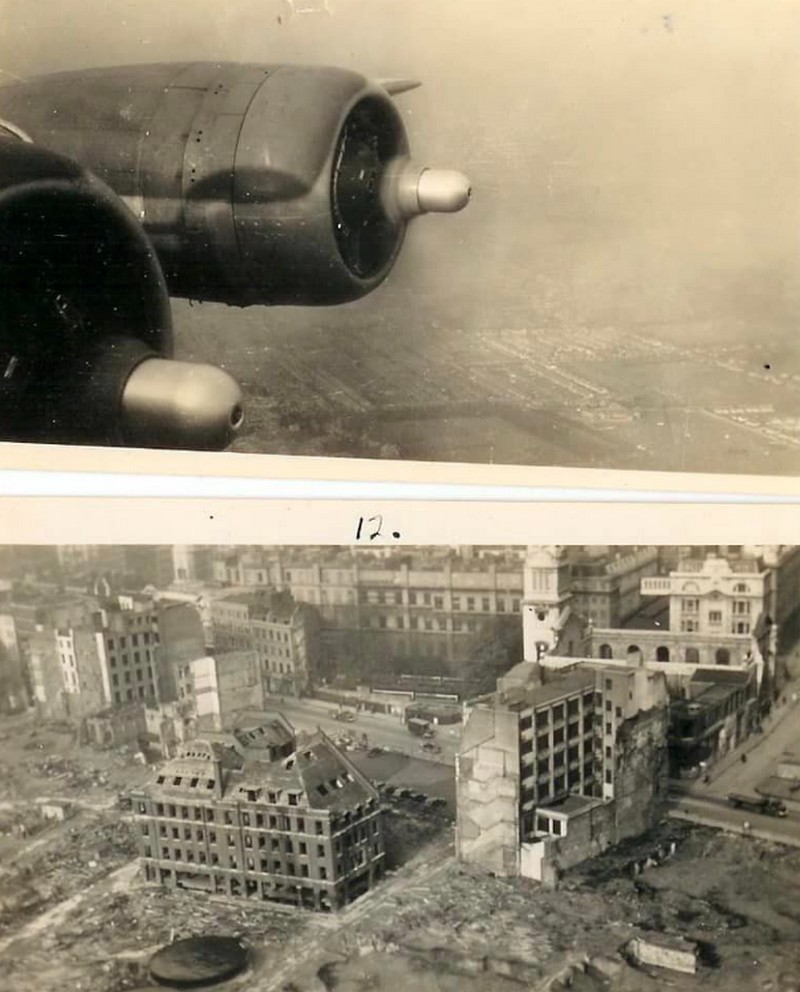
Christ Church Spitalfields
After the war Dad worked for Piper as a Line-Foreman of finished aircraft making J-3 Cubs at Lockhaven Pennsylvania. Picture of Dad and Mom in the Ercoupe he bought with his earnings from Piper and the war - Dad was from Nanticoke Pennsylvania