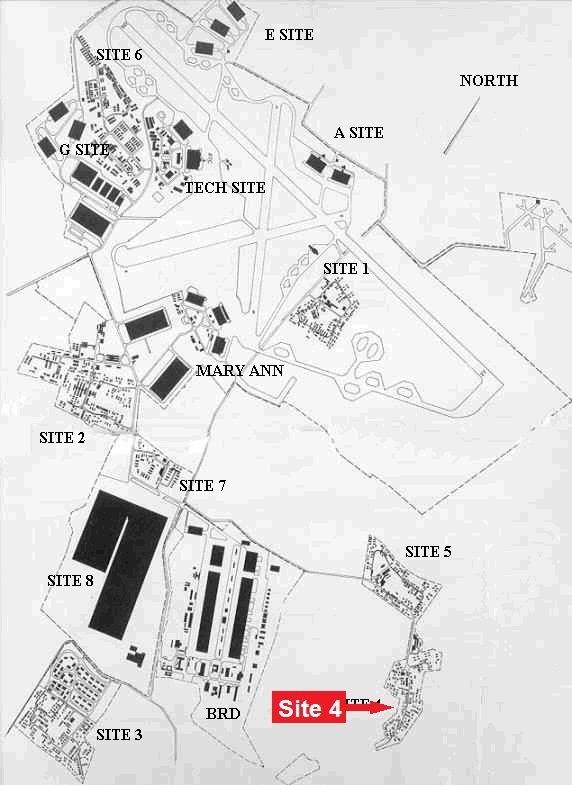

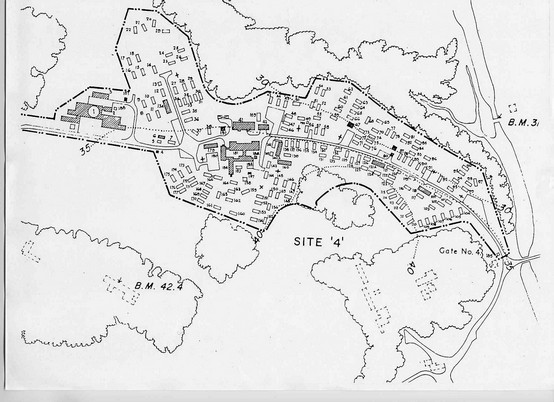

Site 4 was named 'Earhart Hall' after the famous female pilot Amelia Earhart and is located between Bewsey Old Hall and Twigg Wood.
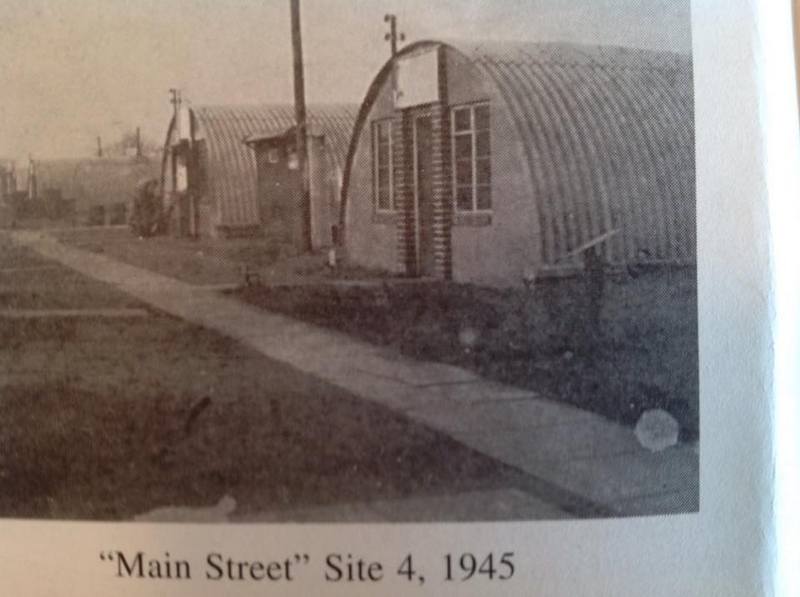
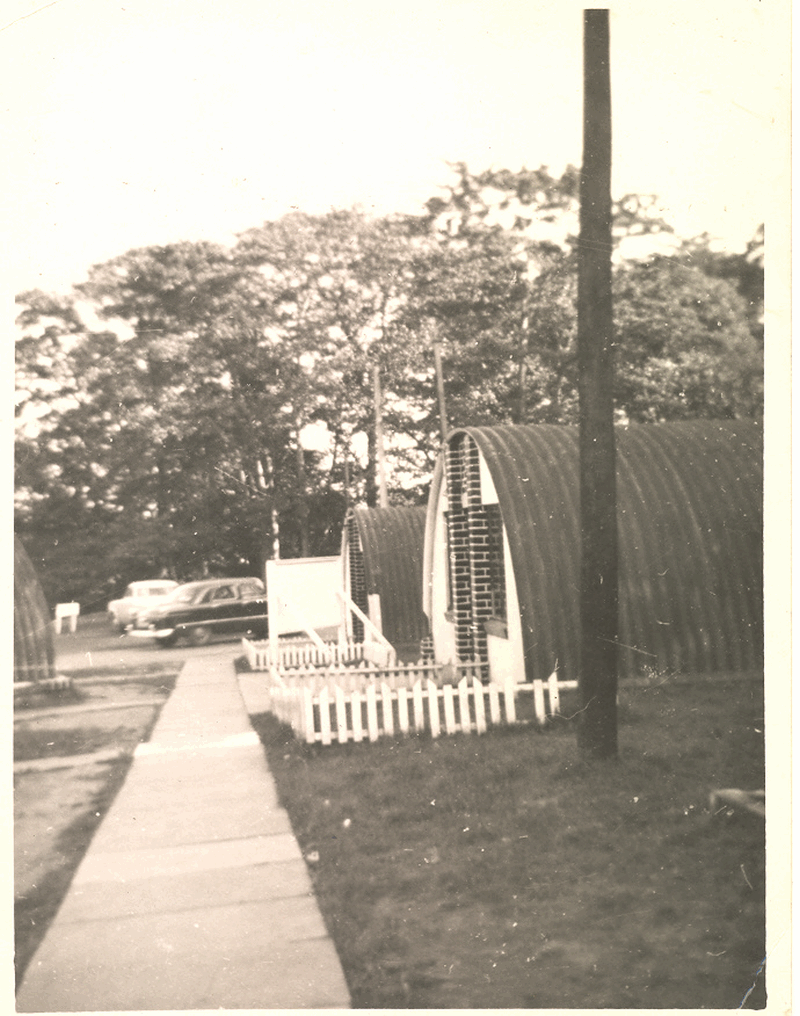
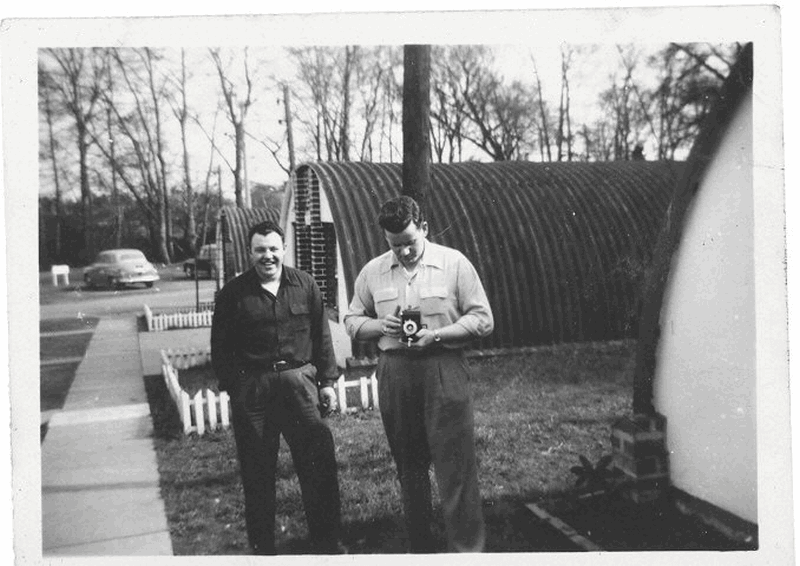
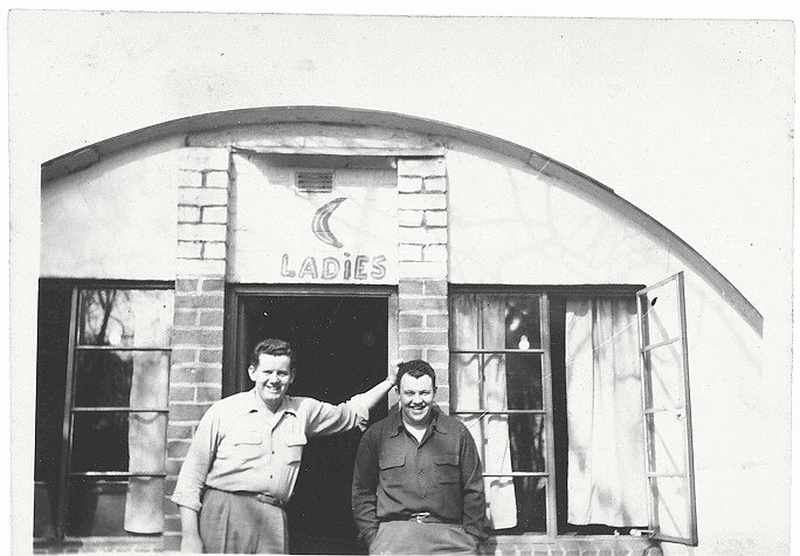
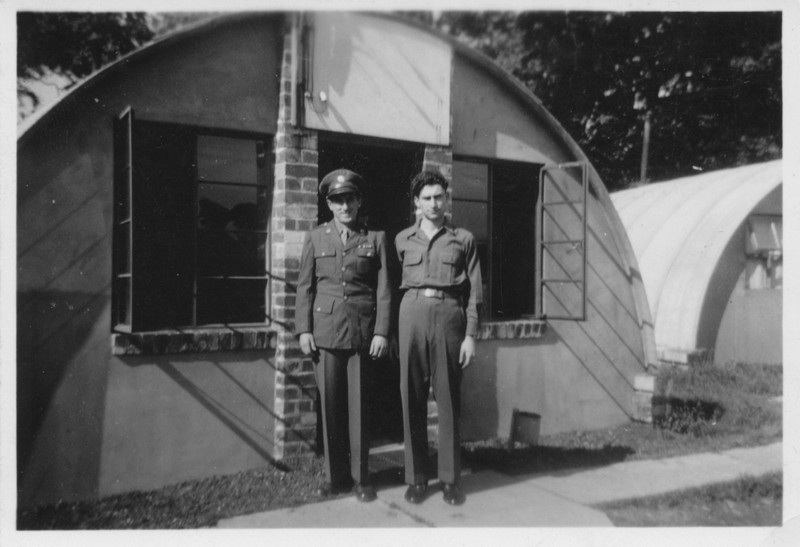
Site 4 had accommodation for 1,200 personnel in WW2 and had 146 Nissen huts. It also had a hobby shop, chapel, main store and even had its own ice cream plant. After WW2 the site was used in 1950 and early 1960 and then it was abandoned.
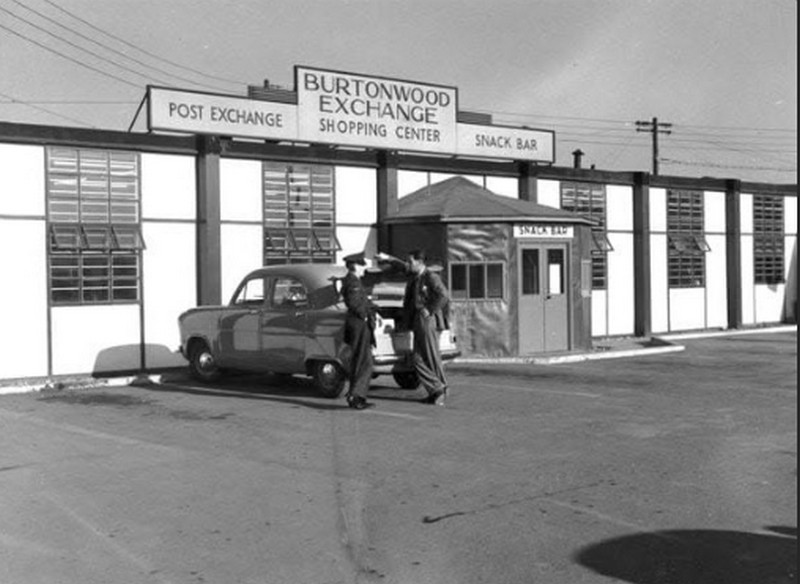
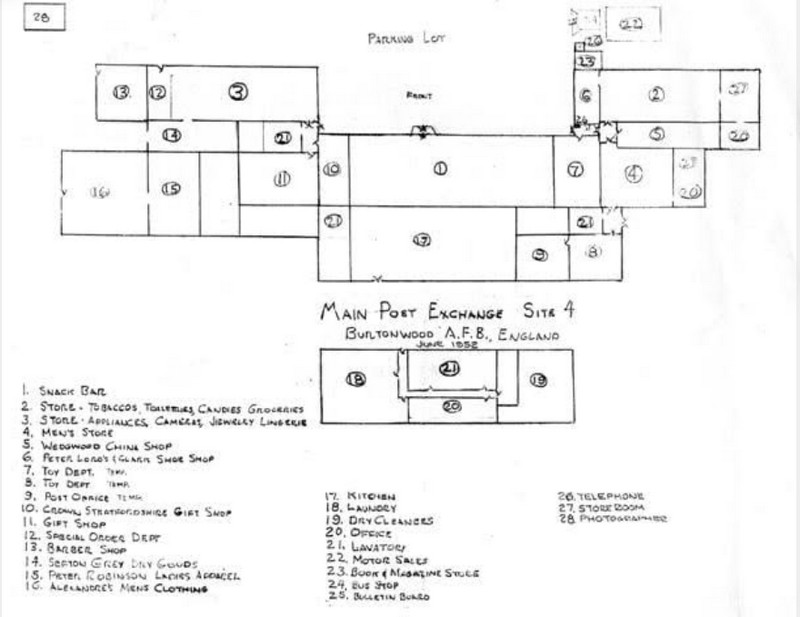
In the 1950s, the main base PX was located between sites 4 and 5 in a purpose-built structure similar to a shopping mall. It housed a barbershop, snack bar, and a gift shop.
The following concessions are as follows. Peter Robinson's Ladies' dress shop, Peter Lord Shoe shop, Crown Staffordshire China shop, Automobile showroom, Harry Jones watch repairs, Wedgewood China shop, Laundry and dry cleaners, Hand tailoring and alterations, Choleatons film developing and photo studio.
More Concessions are listed in the Post Exchange [PX] site plan. Photos from Allan Long.
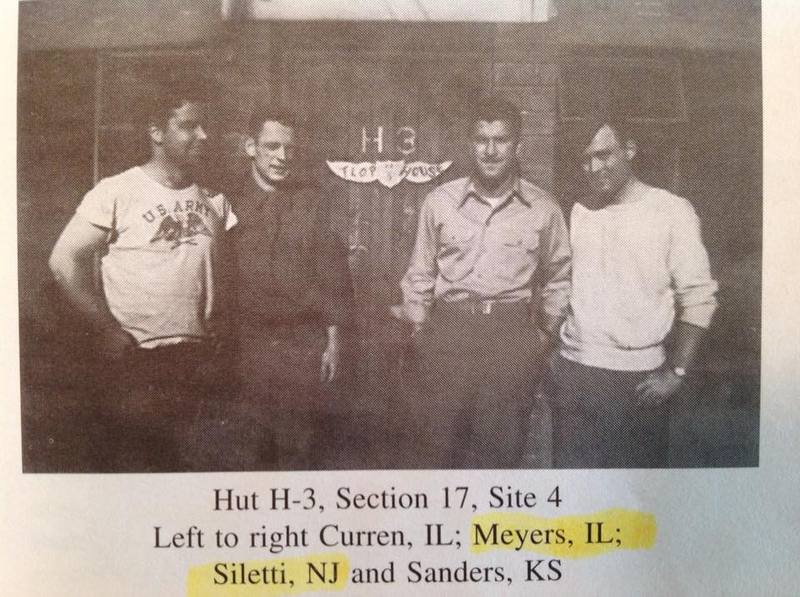
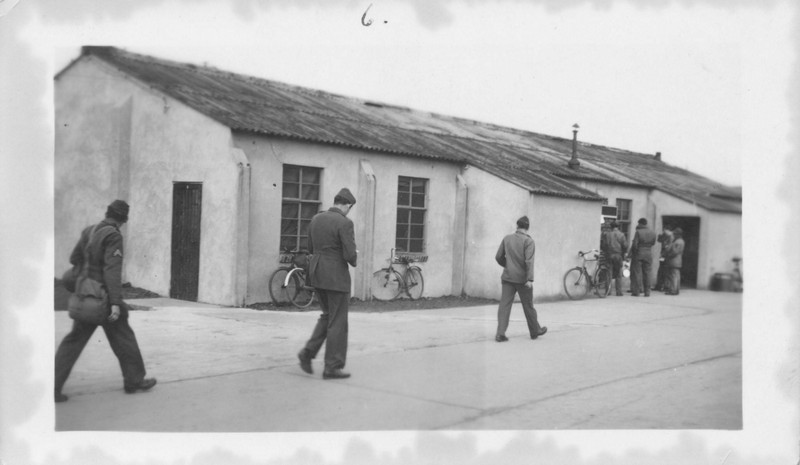
 Main Street, Site 4 Hut H-3 Section 17 Nissan Huts 1945
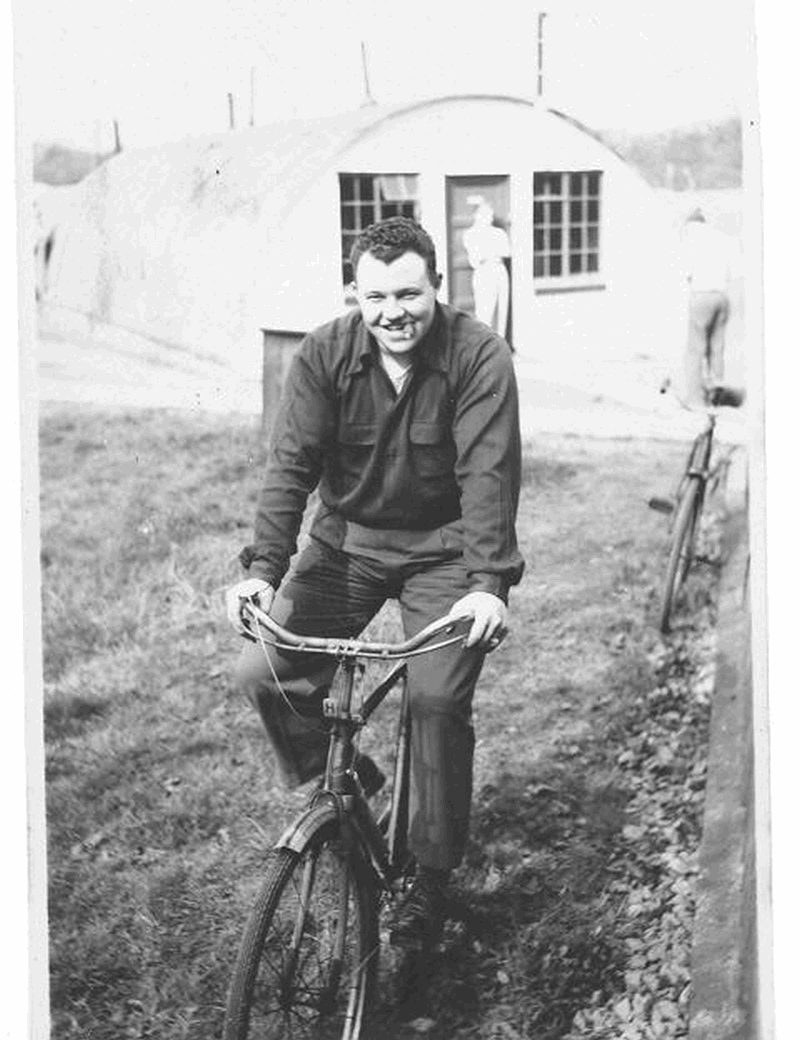
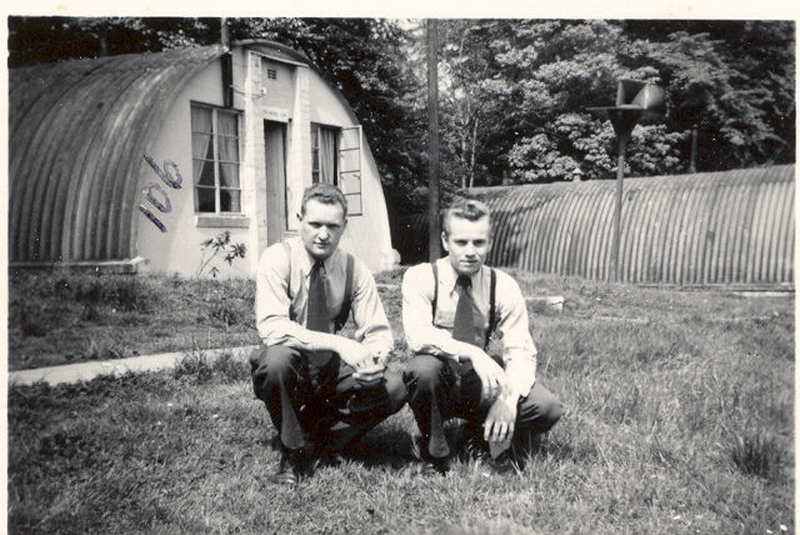
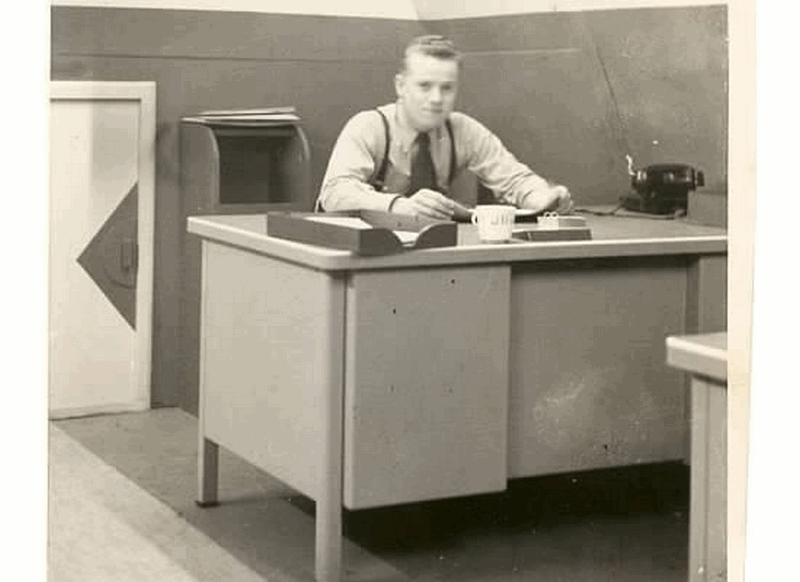
Photo From Roger Myers. Photo of Roger Myers' Dad taken in early 1945.
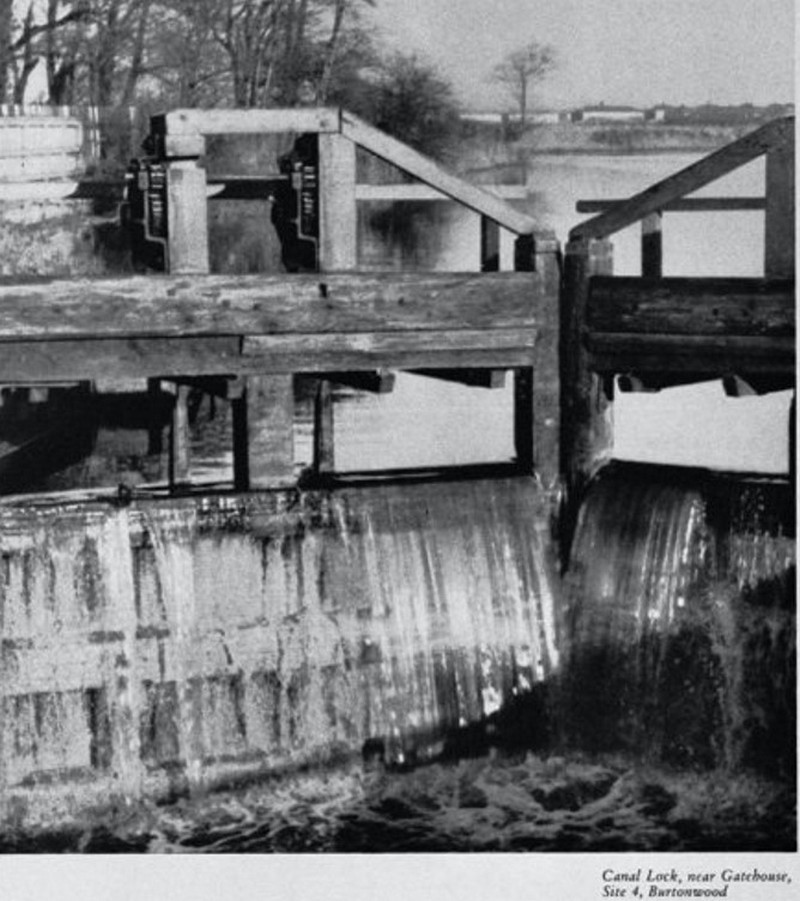
The canal was adjacent to Site 4, which was an American Communal living site. The canal opened in 1757 and closed in 1963. Photo of the Sankey Canal road bridge and entrance leading to Site 4 Gatehouse.
.jpg)

 My Personally Taken Photo of Bewsey Lodge 1990
 Bewsey Lodge 1920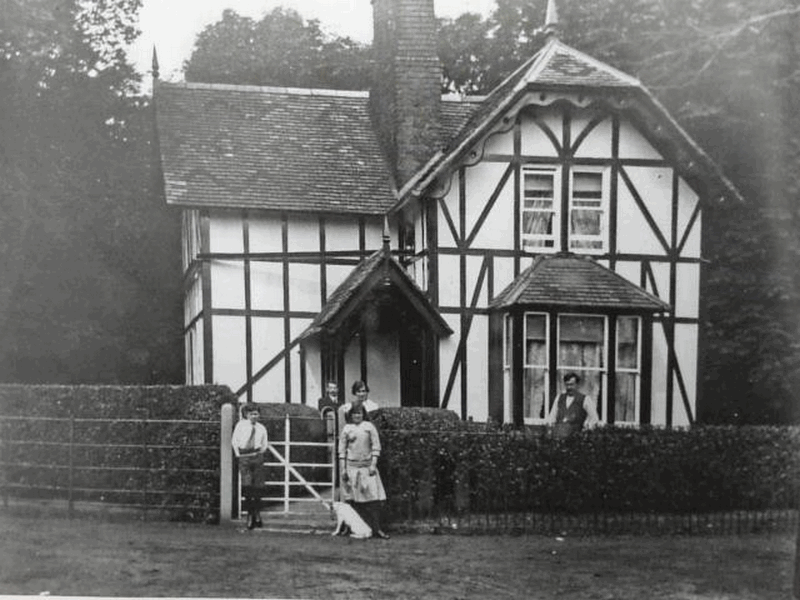
The photo was used in the American United States Air Force School 1958 yearbook Vapor Trails. Note Bewsey Lodge and a sign displaying Site 4.
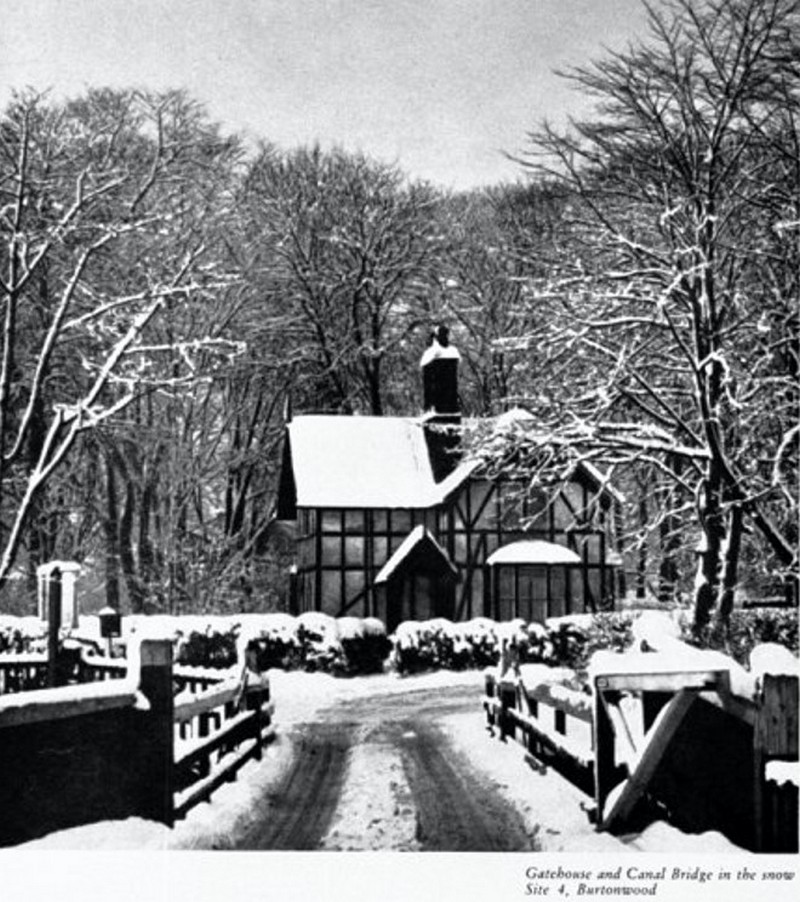
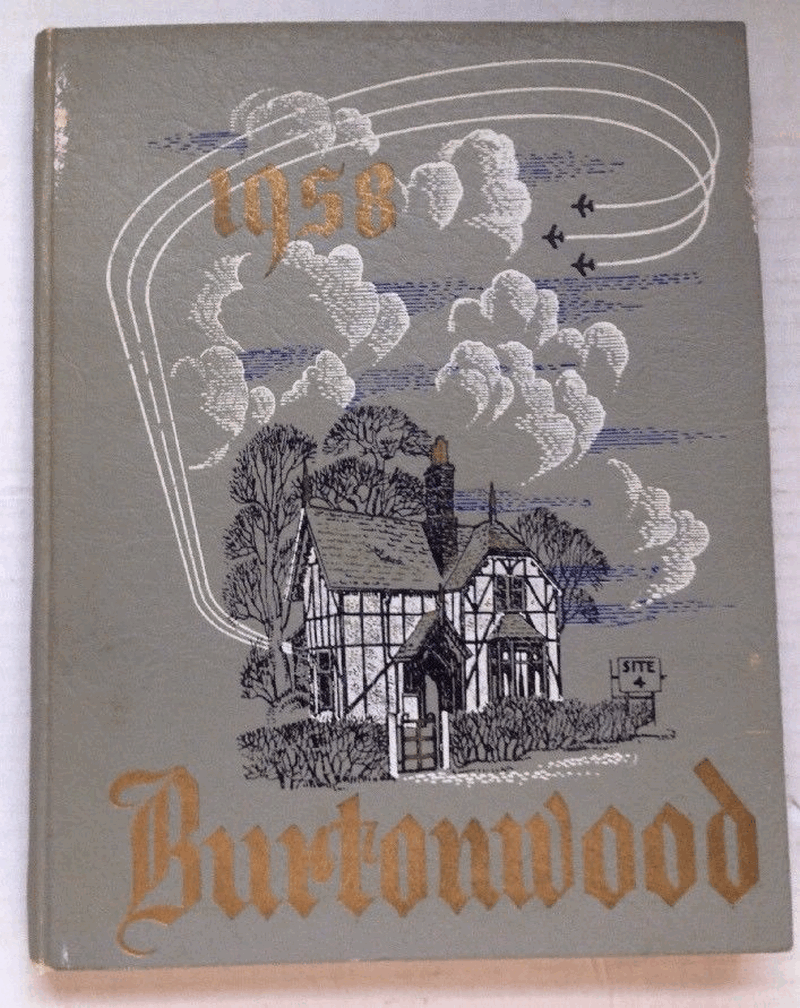
Photo taken in 1984 — Note the barrier.
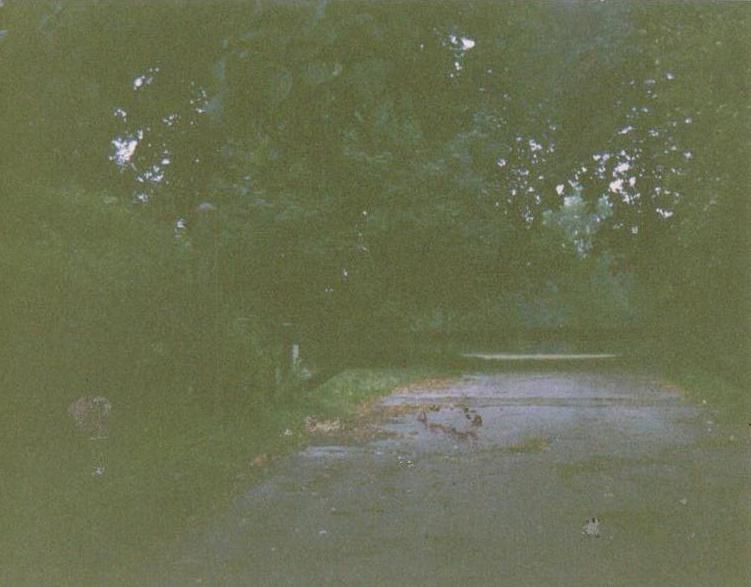
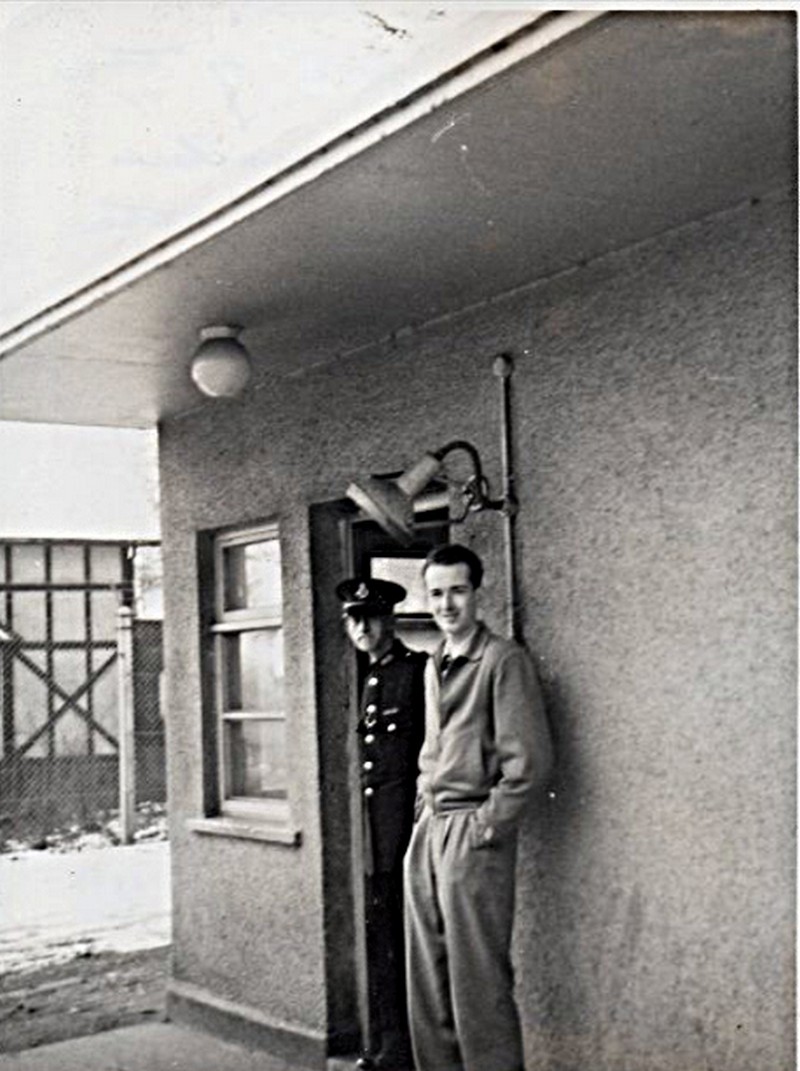
Note no barrier — The old gatehouse hut for Gate 4 was at the left just where you can see the concrete slab.
.jpg)
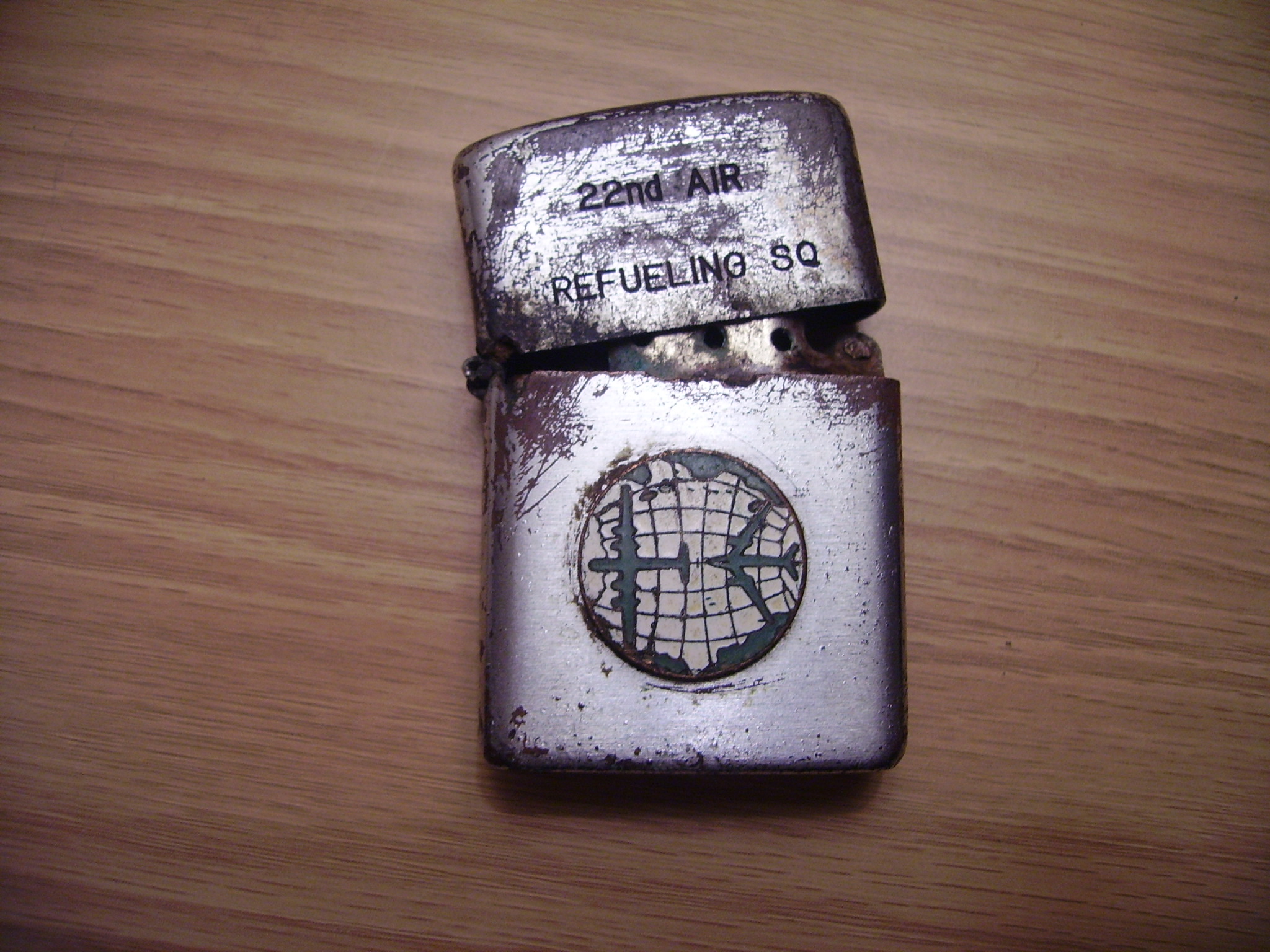
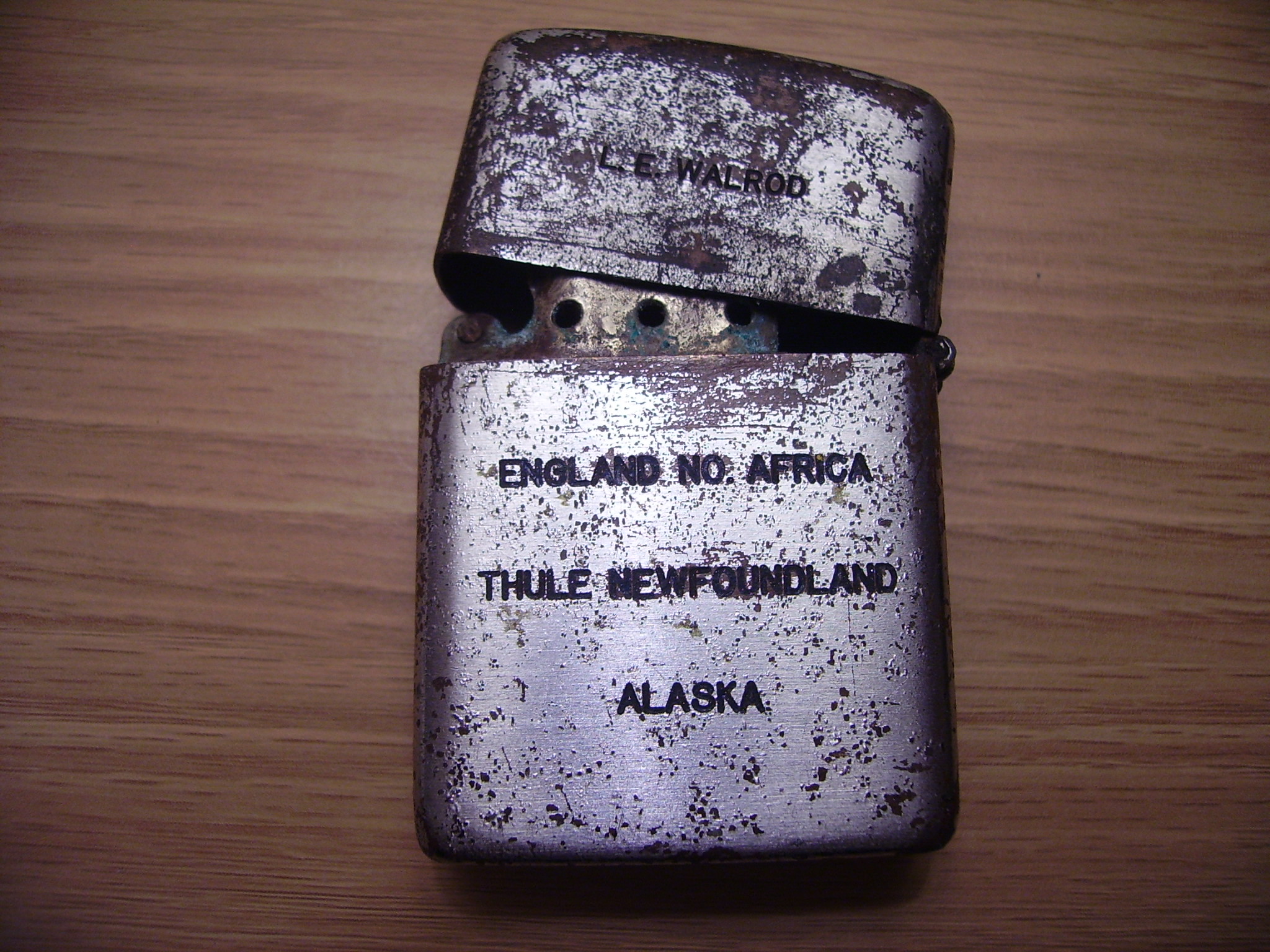
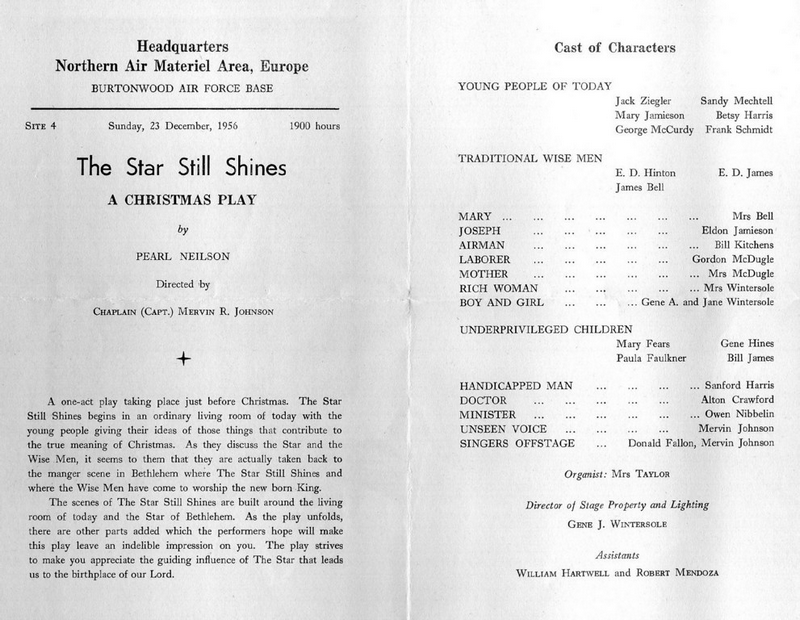
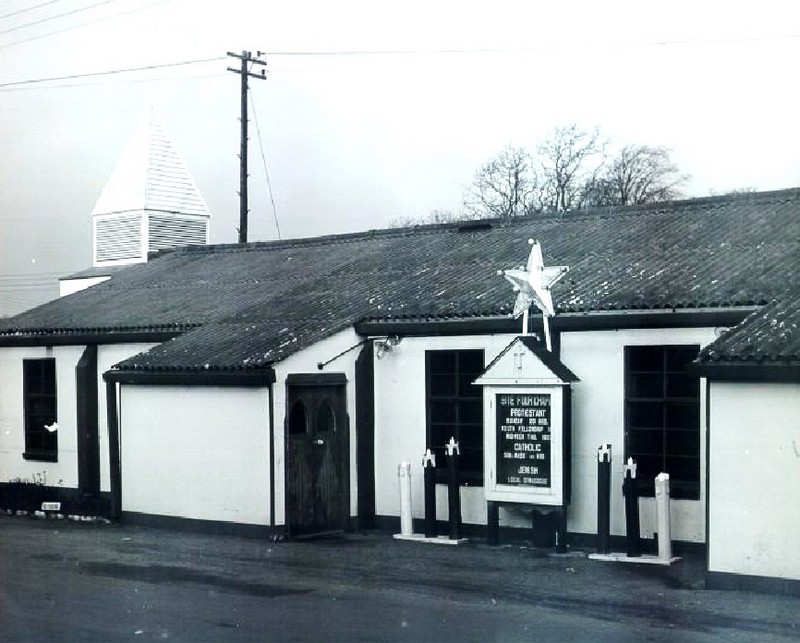
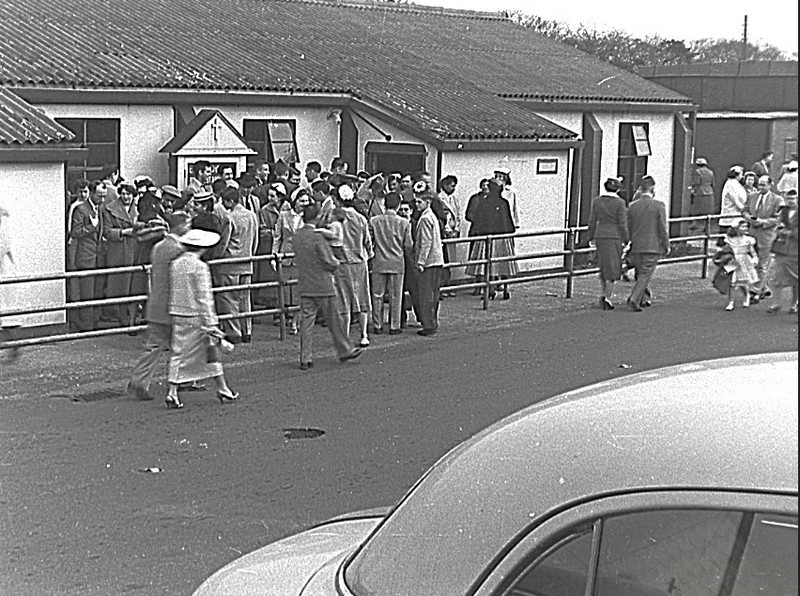
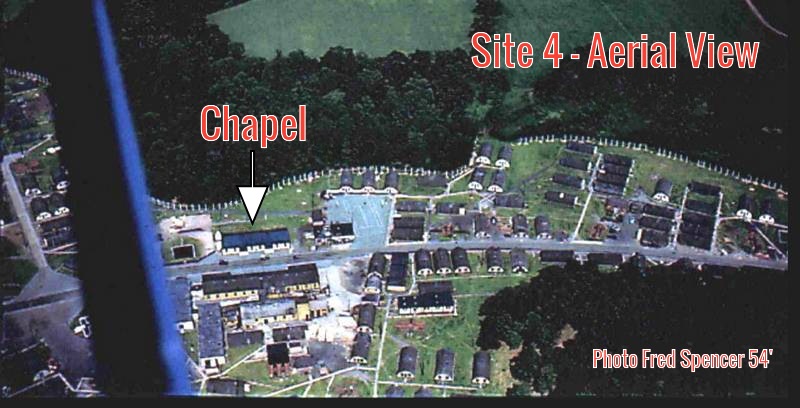 Site 4 - Chapel 1950's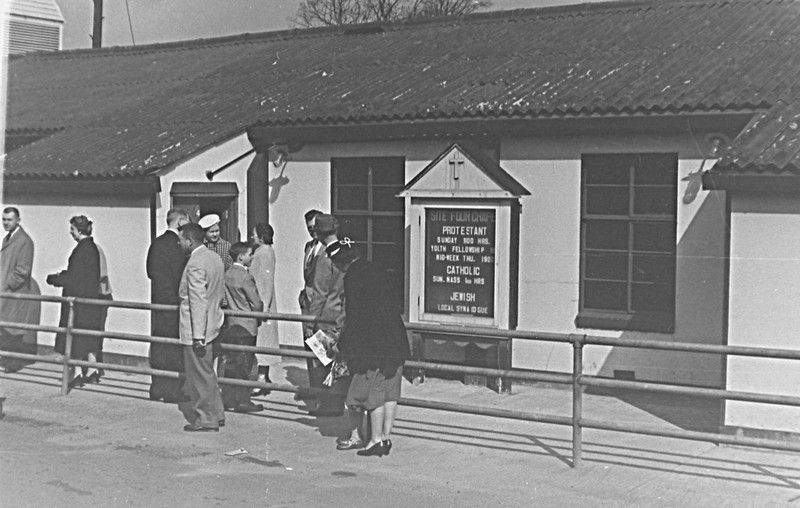
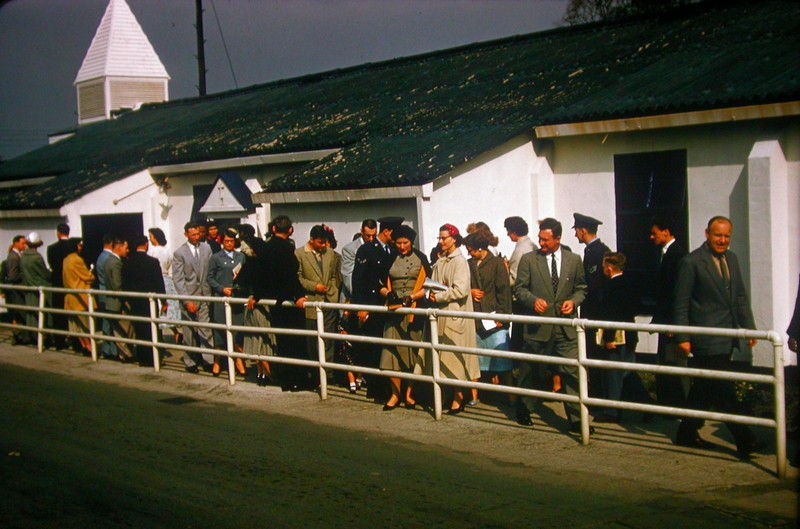
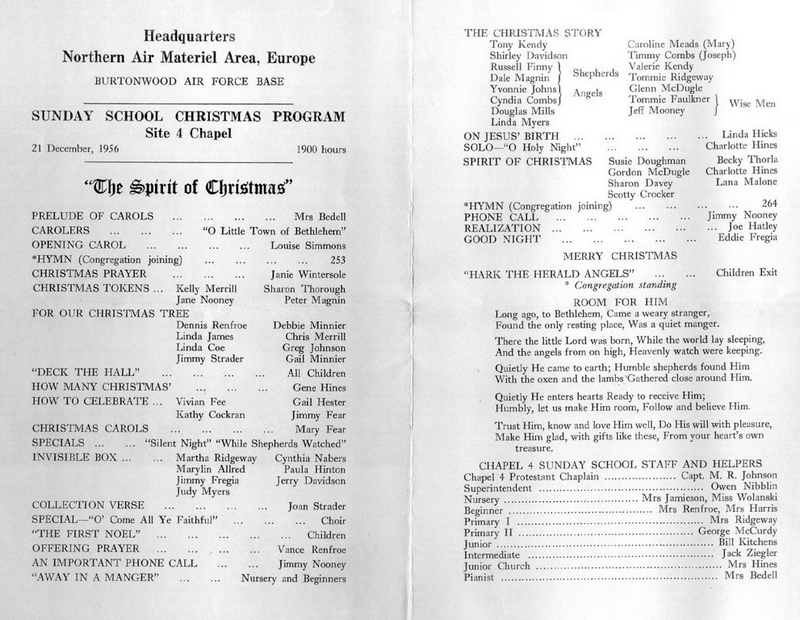
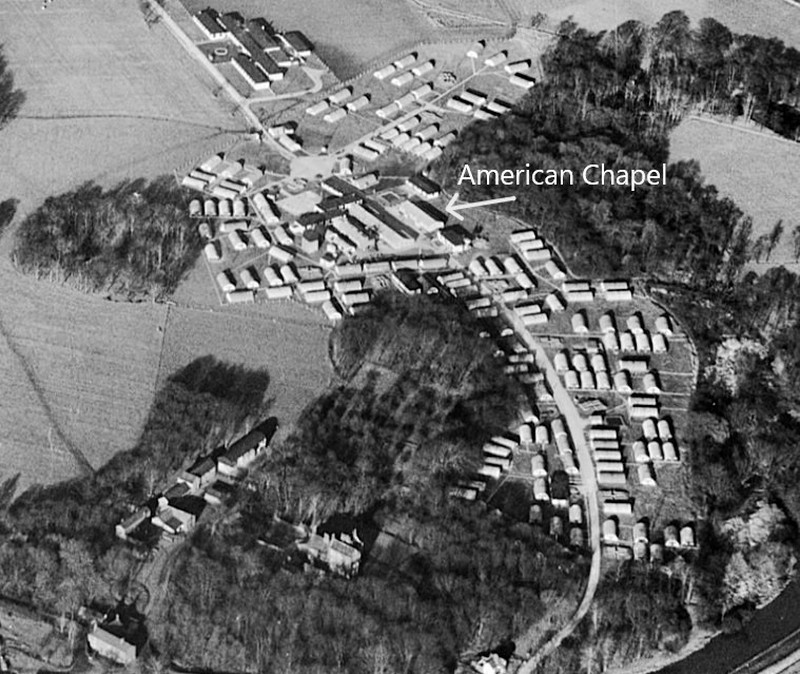
Aerial photo of Site 4 with the location of Building 42, the USAF Chapel. Sunday services were at 10.00 hrs for Protestants and 12.00 hrs for Catholics. Other Faiths by Local Arrangements.
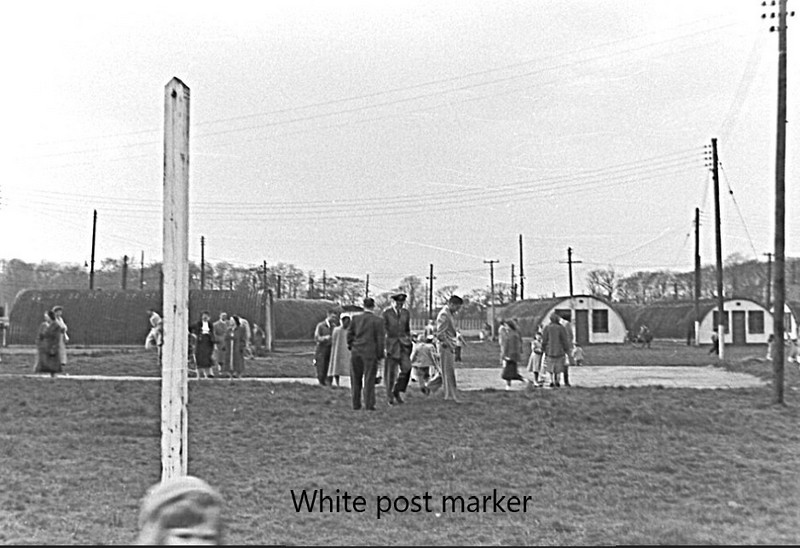
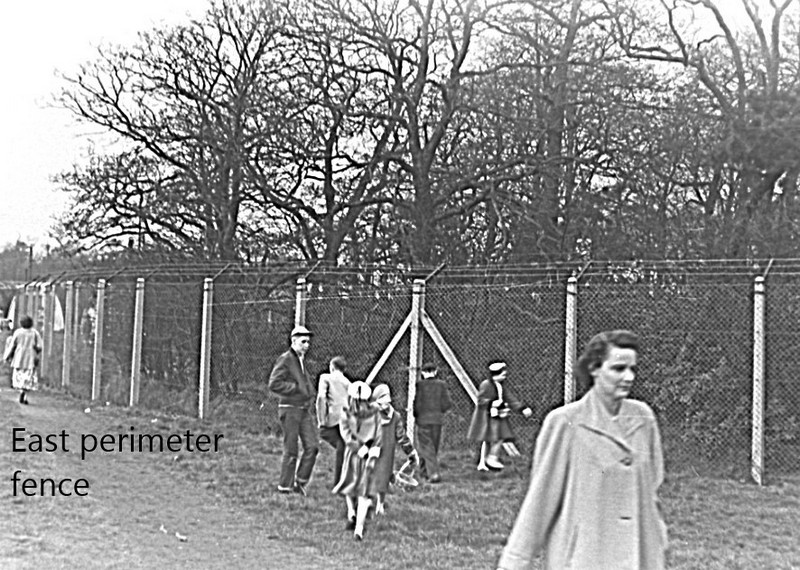
The building was constructed from single-skin temporary brick walls with a rendered finish.
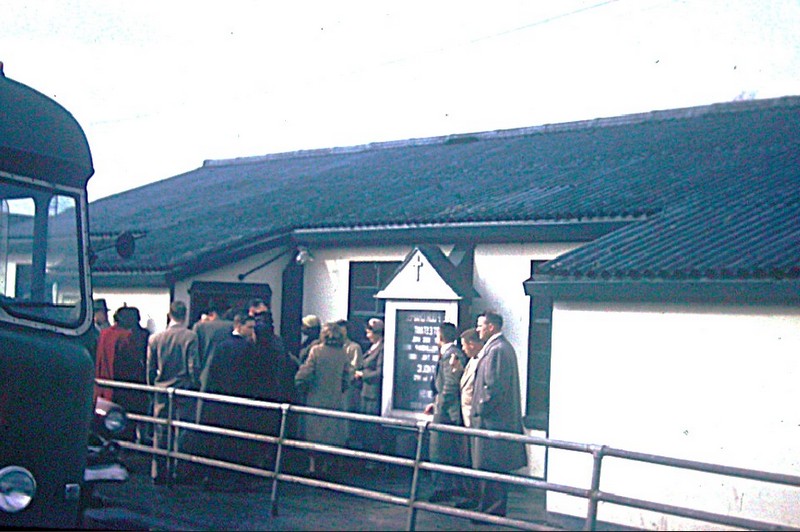
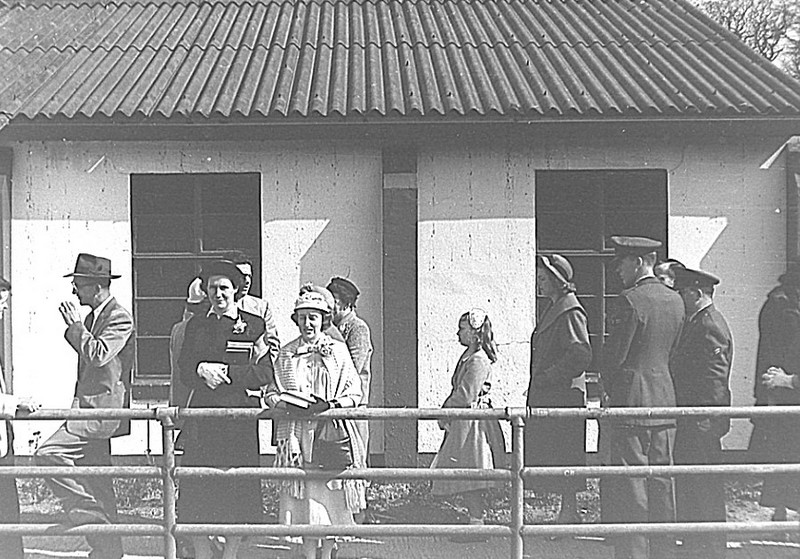
Photos credit to Gene Wintersole.
Air Force, Bergstrom AFB, Texas, 1980. 33 years service with the USAF, retired 1984. Photos are by kind permission from James Jones.
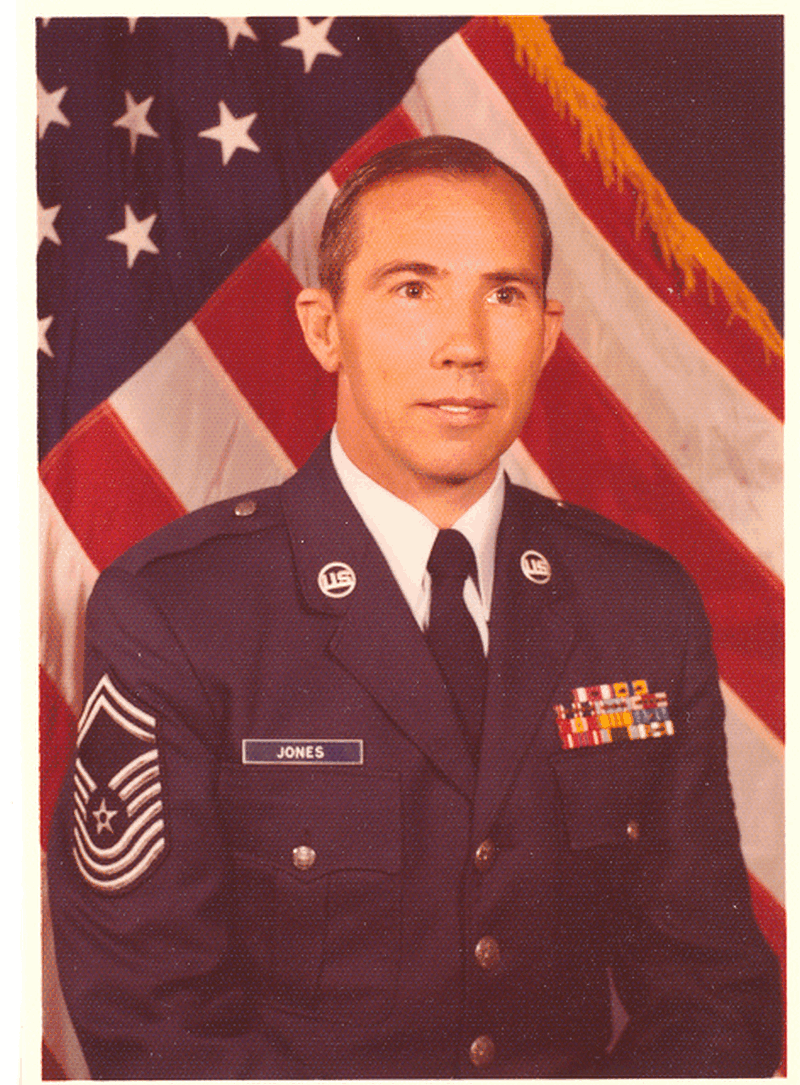
Below is an account of James Jones' time at Burtonwood on Site 4, written by James Jones himself. Photos are by kind permission from James Jones.
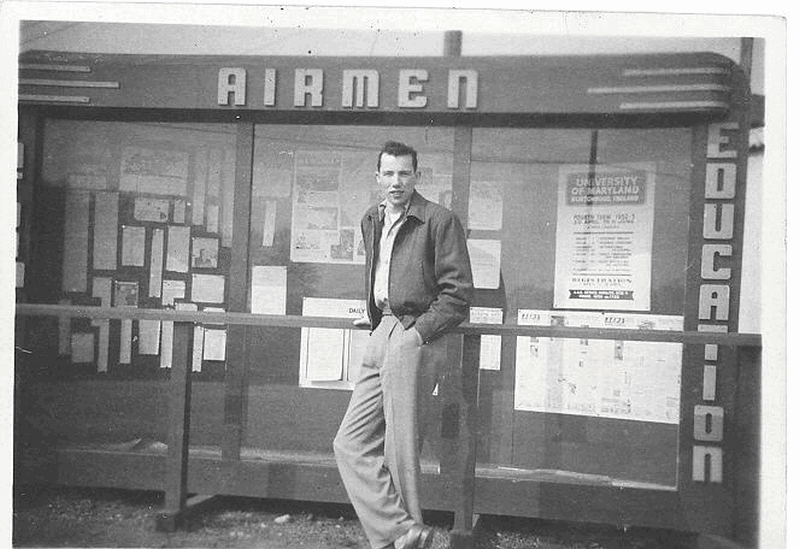
I came to RAF Burtonwood in late December 1951 and was assigned to Headquarters Squadron, 7559th Maintenance Group, which was located in Site 4. I arrived after enlisting in the U.S. Air Force in May of 1951, attending basic training and technical school. I worked in the depot Vehicle Production Control located in BRD and later Mary Ann sites.
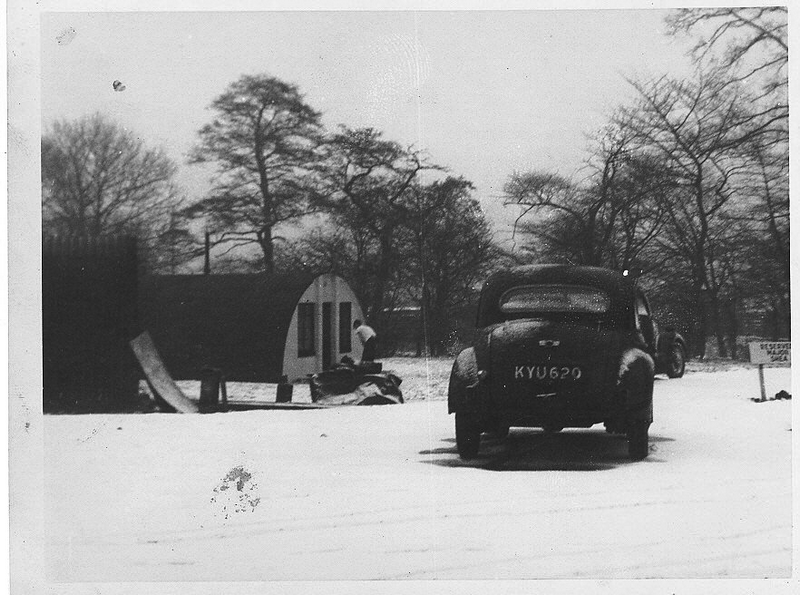
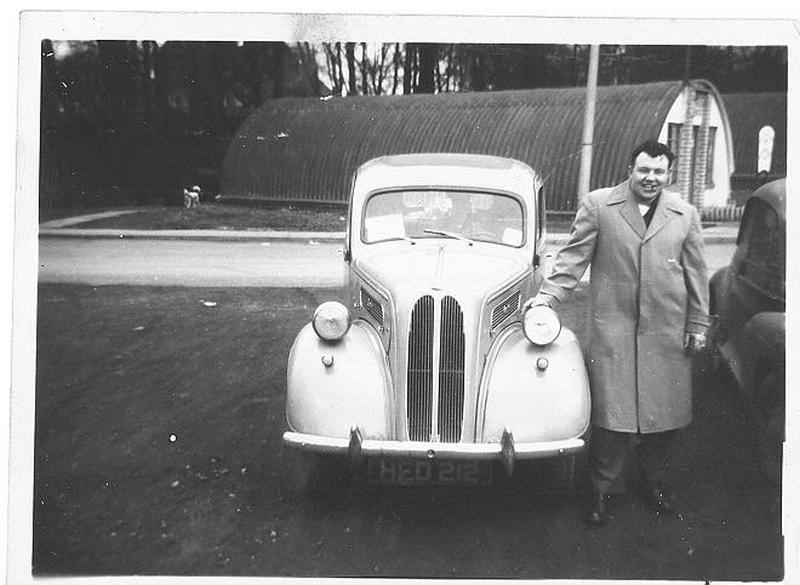
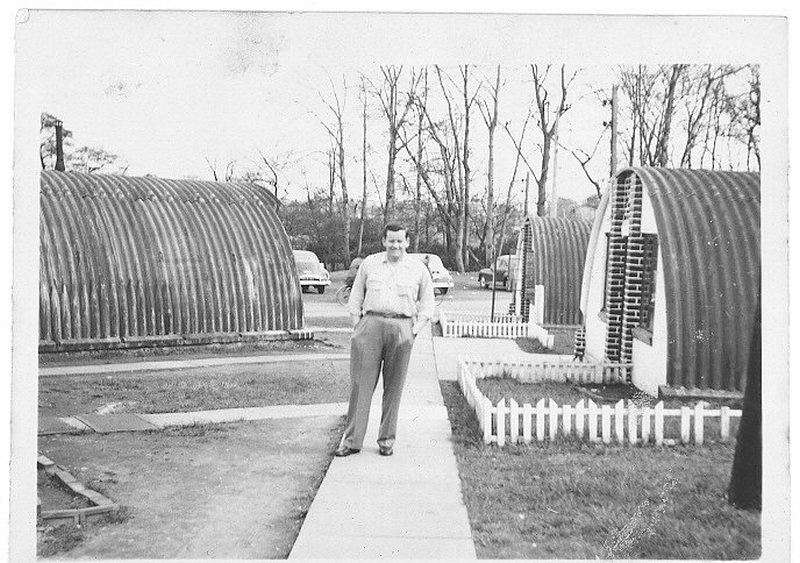
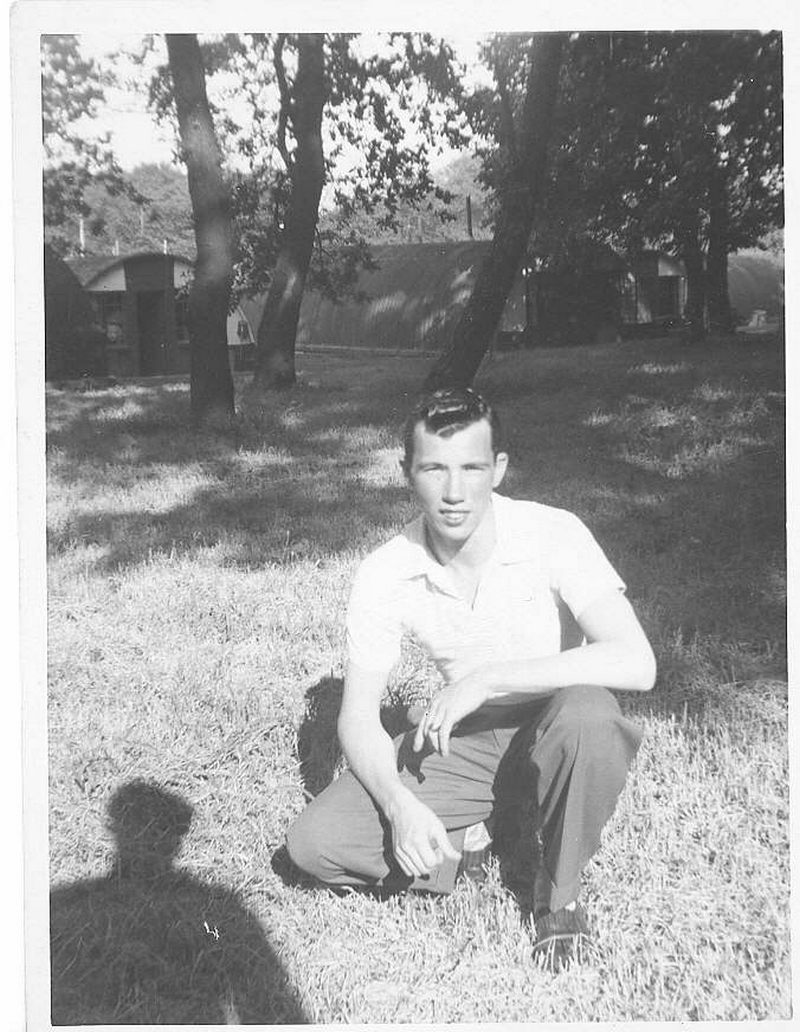
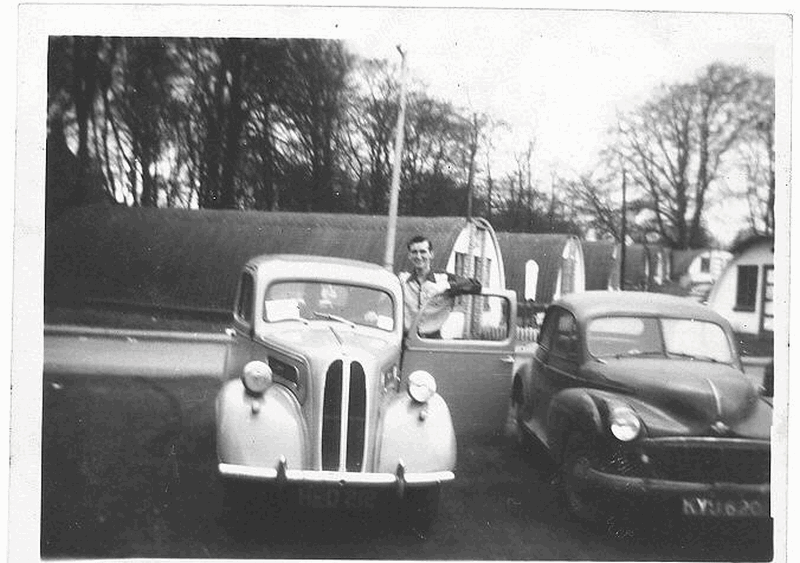
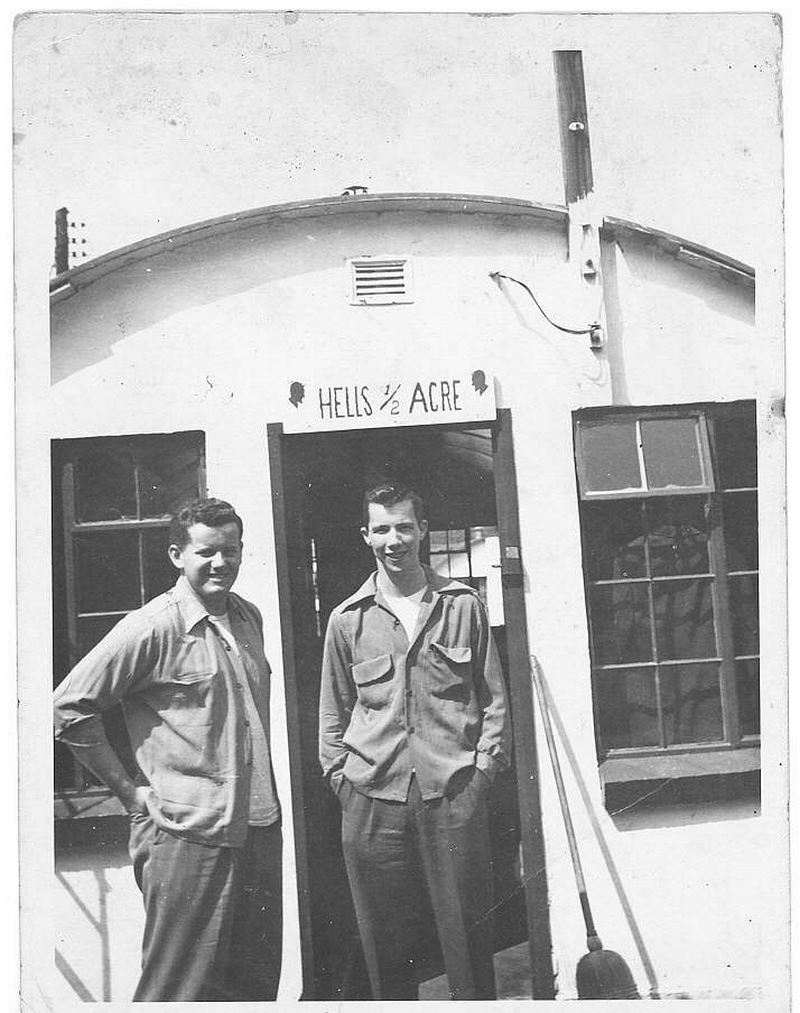
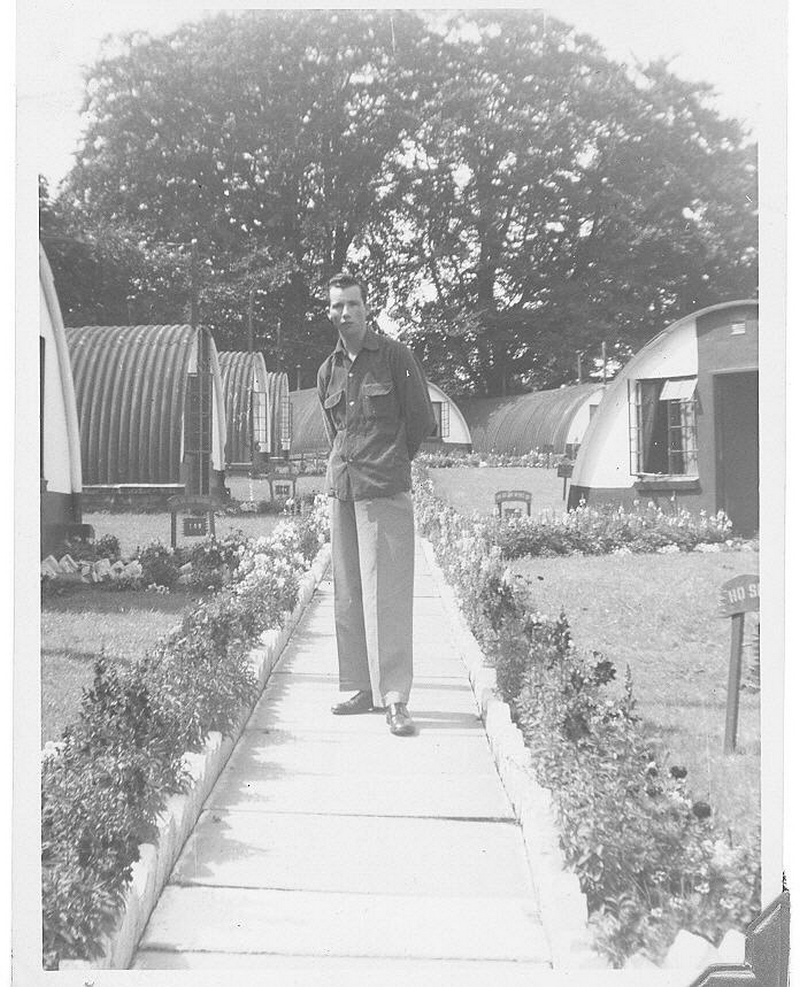
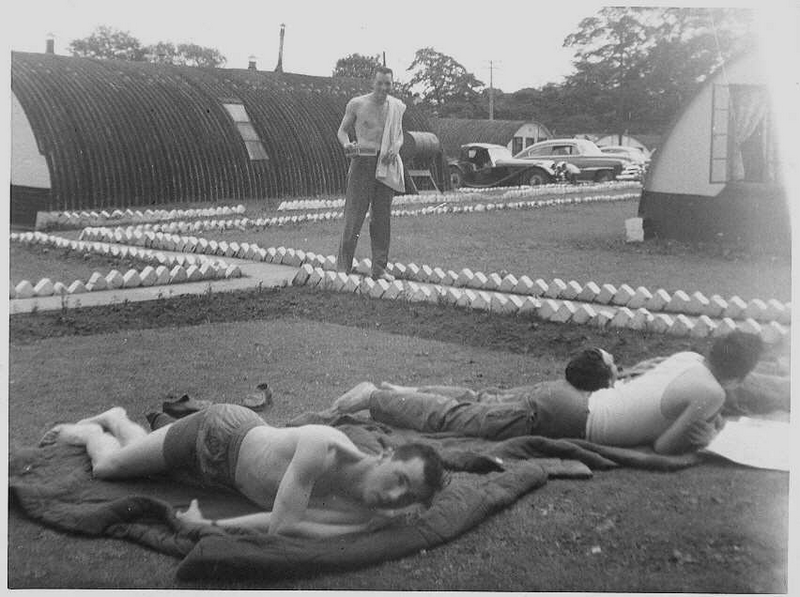
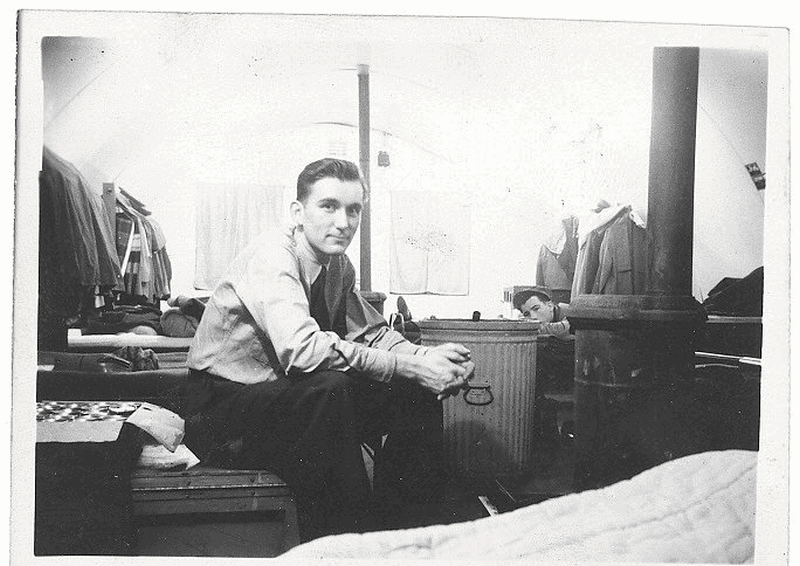
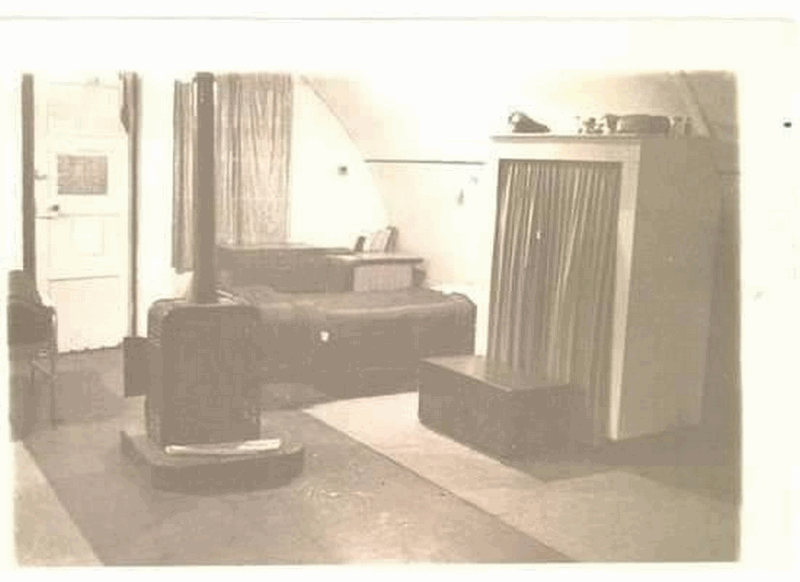
As you can see from the pictures (below), living conditions in the Nissen huts on Burtonwood was not very good. In fact, in my 33 years of service with the Air Force, this was the worst living conditions that I experienced. They were worse than those I experienced in Turkey or Vietnam.
One must realize though, this is only a few short years after WWII and we were rapidly building up our forces to counter the Russians in a Cold War that some times got hot. When I arrived at Burtonwood I was the thirteenth man in our hut, but many members were moved on to man other bases and we got down to 6 men to a hut.
Our Nissan Huts were heated by two coke stoves and were issued a bed with the blankets, sheets, etc, a footlocker and a stand to hang our clothing. Our clothing was covered with a piece of tarpaulin. We later built with plywood a covered place to hang our clothing. We two-tone painted our hut and bought curtains for our four windows. Because of our efforts to improve our living condition in our hut, we were awarded two morale flights to Rome, Italy and Copenhagen, Denmark.
There was one large toilet and shower facility for two squadrons (approximately 500 men). The shower facility consisted of approximate 20 shower heads in one open stall. Approximately 50 wash basins were provided in one open area. The water was seldom hot and a cold shower was very invigorating, especially in the Winter time. Site 4 was our only Dining facility which fed the entire base.
Even with these austere conditions, I look back at my first assignment in the Air Force with nothing but good feelings. I enjoyed England and the English people and greatly admired their outlook on life.
RAF Burtonwood was my first permanent duty assignment which led me to a 33-year career with the U.S. Air Force.
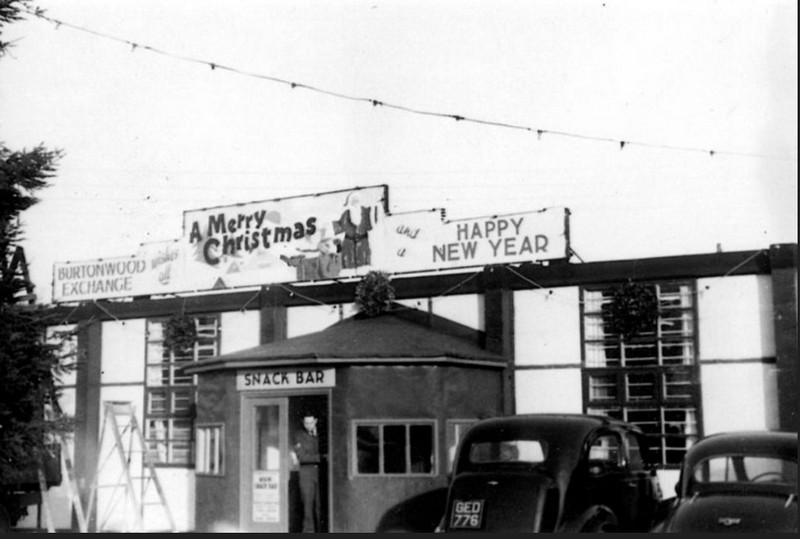 Another Post Exchange & Snack Bar Photo.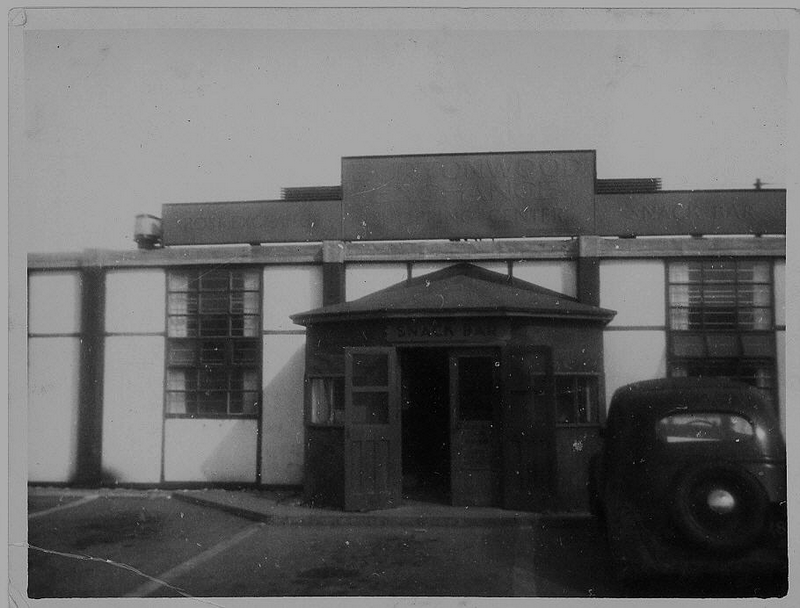
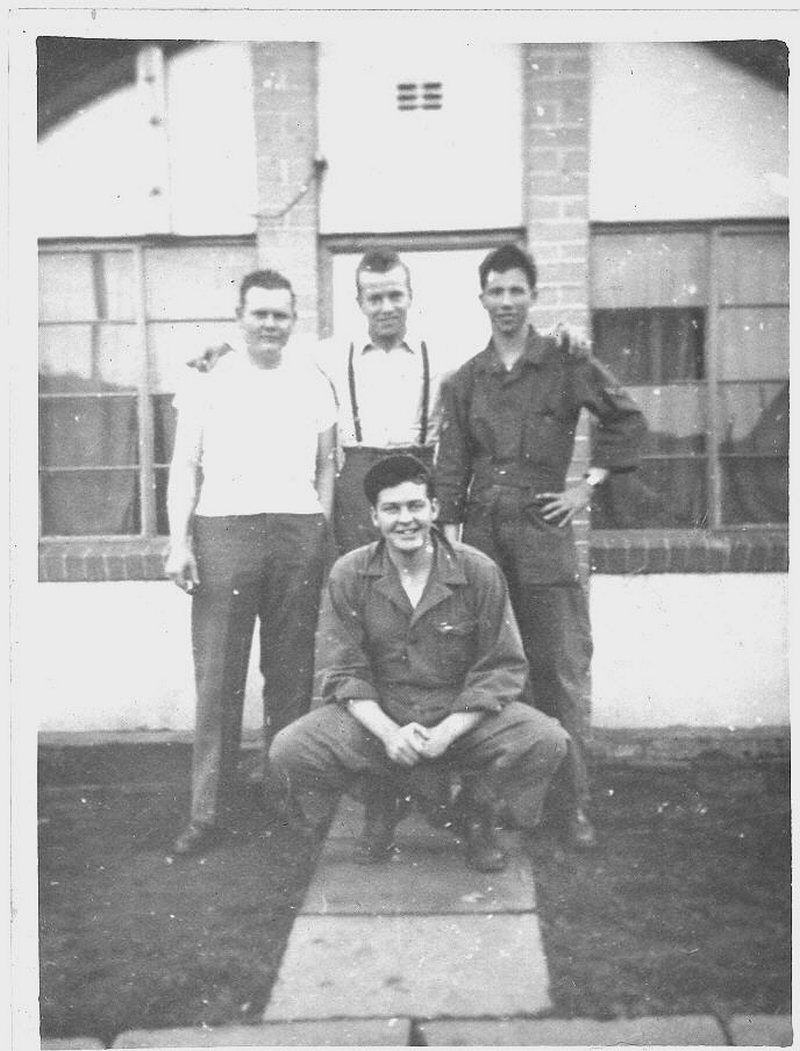
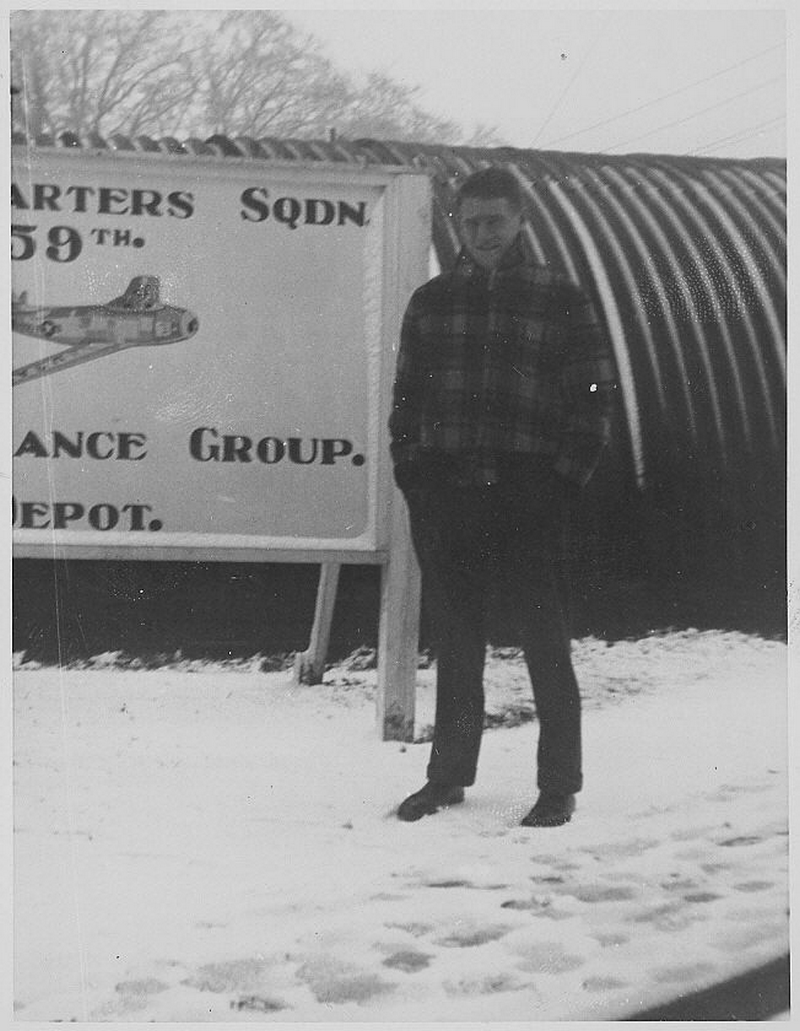
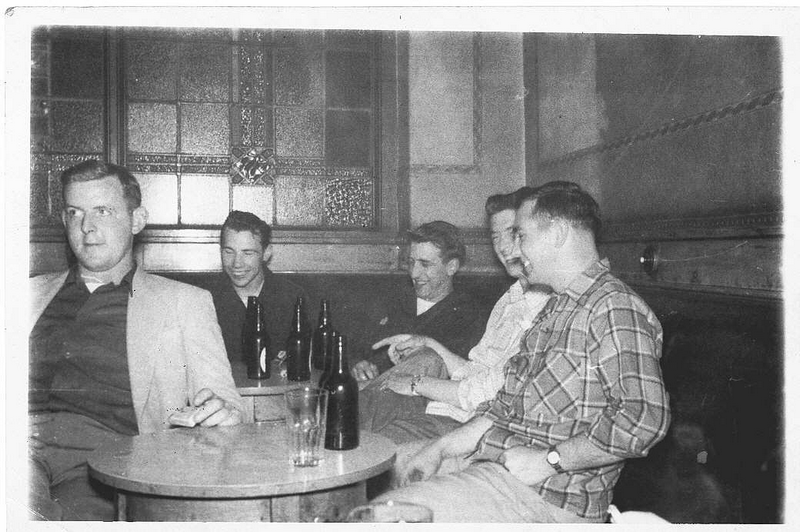
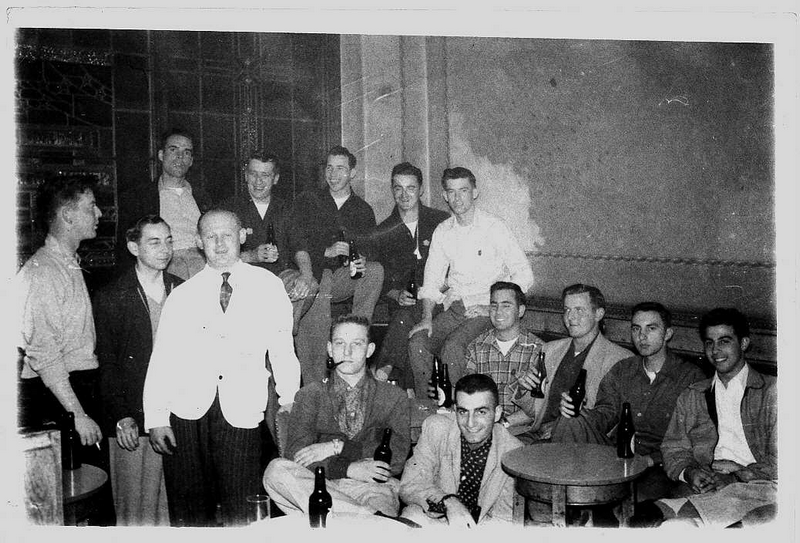
 The Seven Stars Pub — Warrington
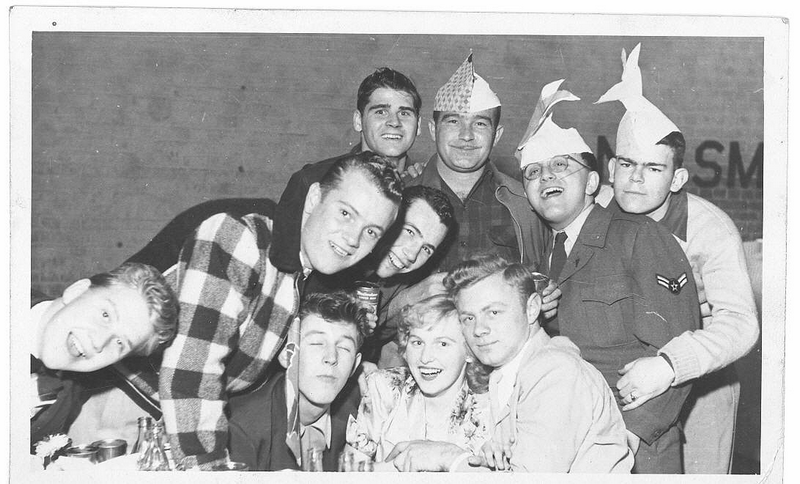
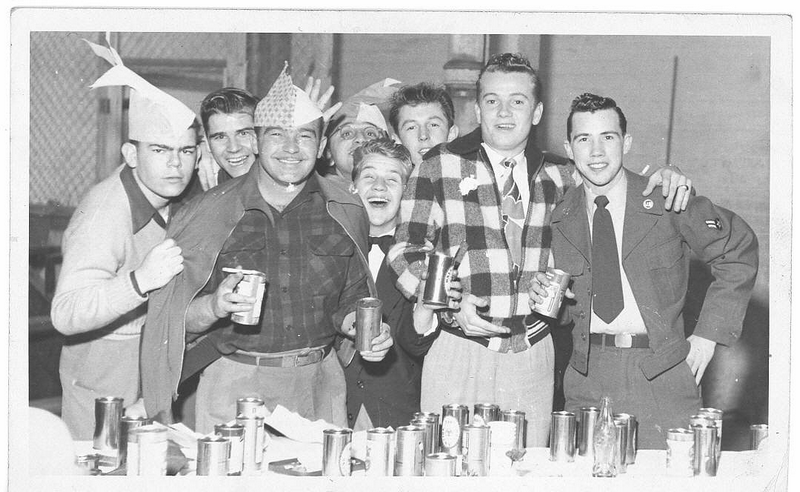
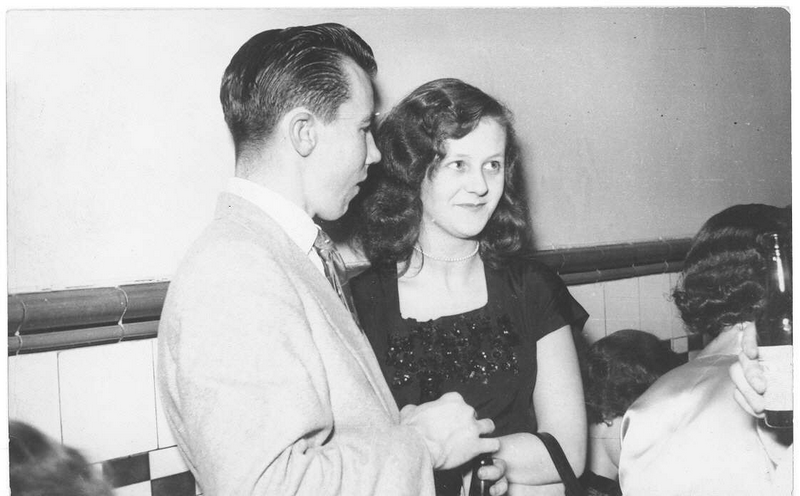
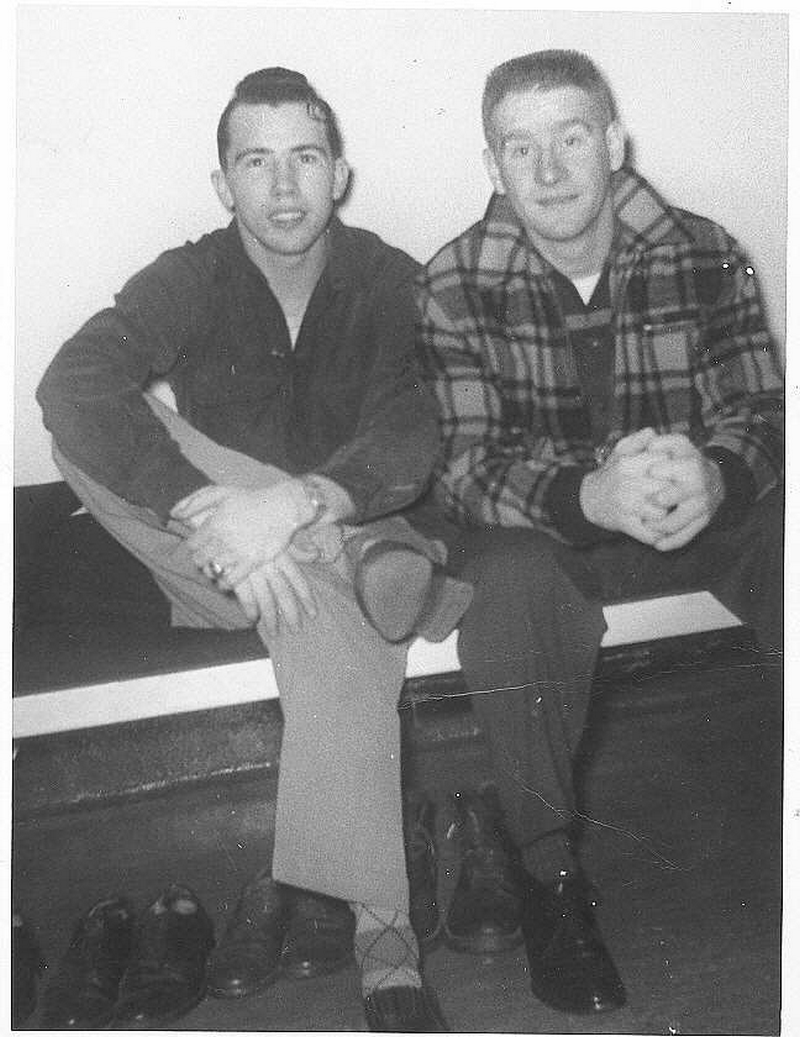
The 2 photos below show members of the squadron in the Seven Stars pub in Warrington. We jokingly referred to the Seven Stars as the Astronomers Club. Time (more than 50 years) has erased from my memory many of the names of the individuals.
In the top picture are myself and A1C Myers in the centre of the photo.
In the bottom picture on the back row, left to right, is A1C Carlin, myself and Myers, and at the extreme right is A1C DeCarlo.
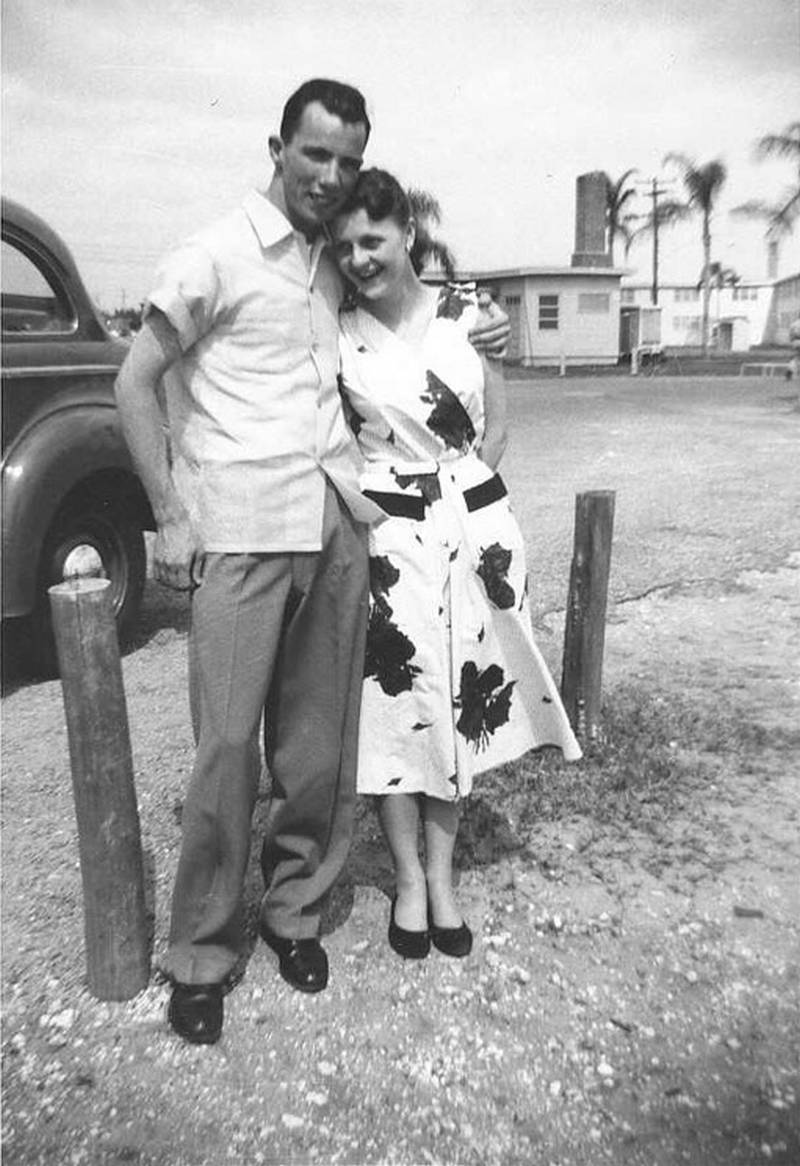
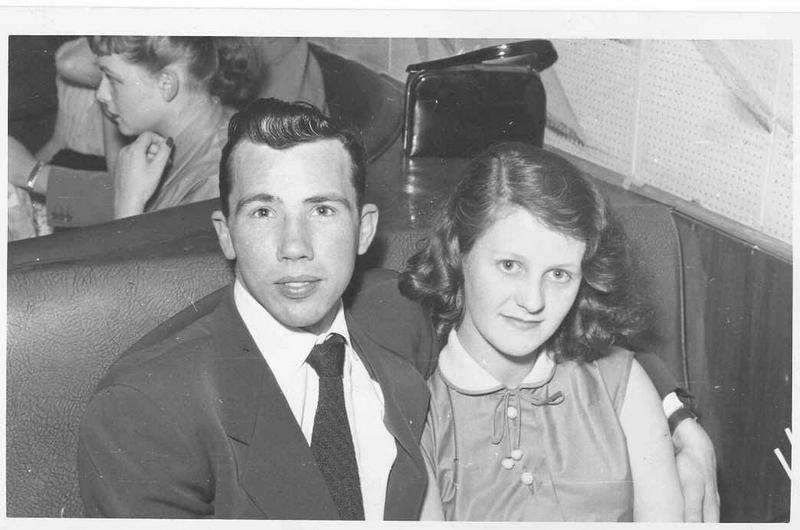
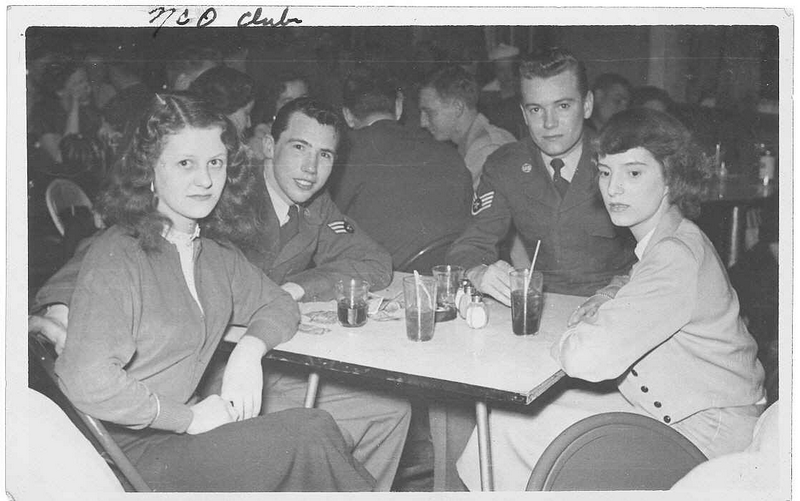
My assignment there changed my life forever since I met and married my wife of the past 51 years. The young lady that appears with me in these pictures is Ann Norbury and my wife. She travelled with me on all of my assignments except Vietnam. We have visited on many occasions throughout the 51 years since we departed Burtonwood and our last visit being in May 2005 to attend her brother's funeral.
Bill Wilson served with the Headquarters Squadron, 59th Maintenance Group at Burtonwood between 1952 and 1954. Bill has kindly contributed his personal photographs with a promise of more to follow.
The six photographs below depict a 4th of July parade at Burtonwood, 1953. The theme of this parade was centred around the signing of our Declaration of Independence in 1776. Floats were built by all the sites on the base and I am happy to say that our float — Site 4 — won first place. You know, I can't remember what we got for that but at least I know we did win.
I will try to explain what each photo shows as I send them one at a time. All of these parade photos were taken July 4, 1953. Of course, the parade was on the base. Sorry to say that I never received any photos of the other floats in the parade. If I remember correctly there were at least 12 or so. All floats were built by members of the various squadrons at Burtonwood.
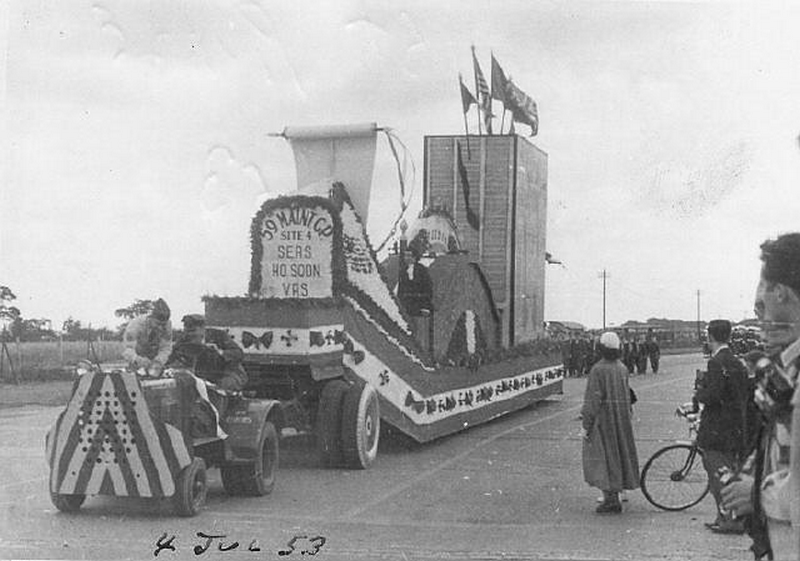
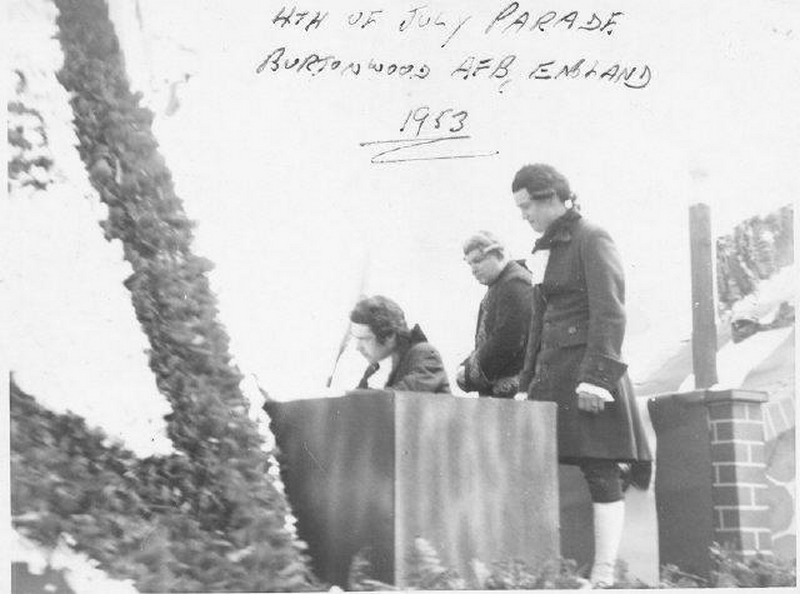
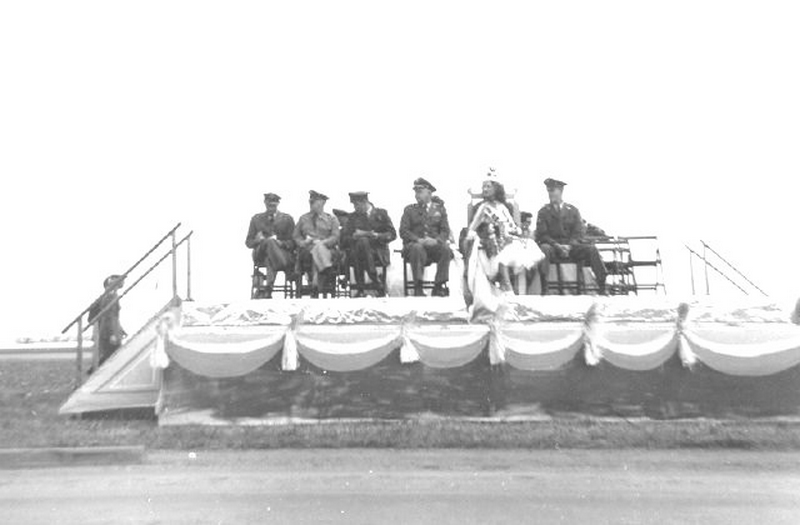
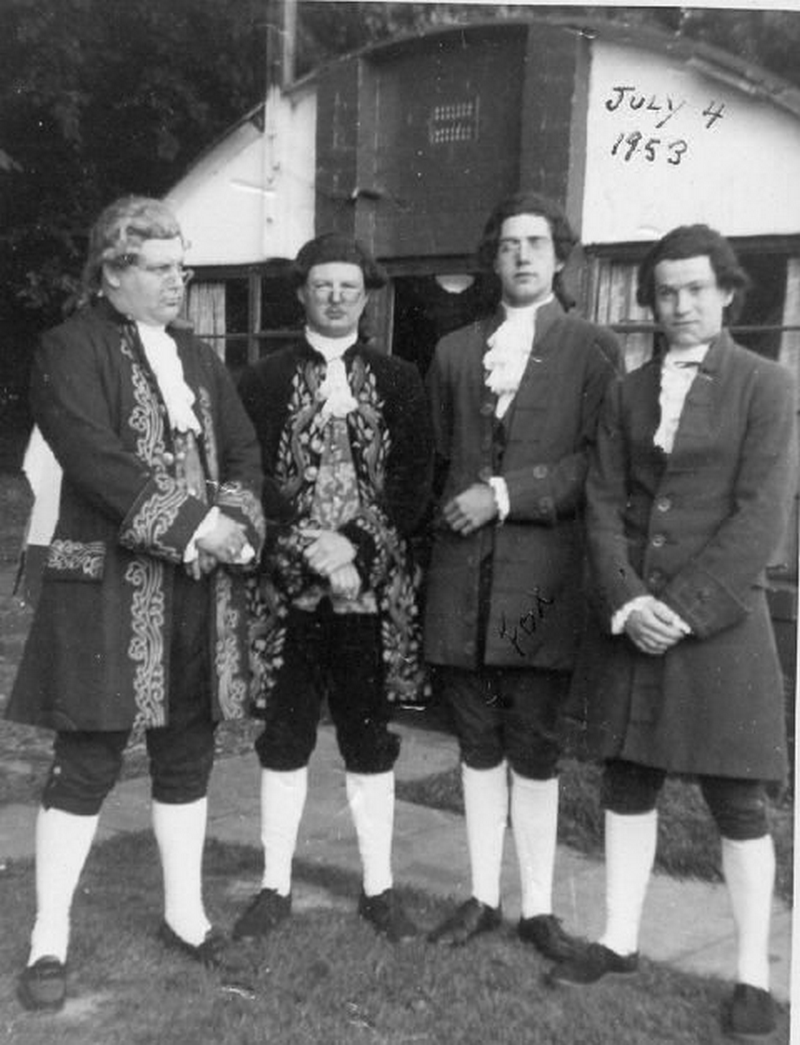
These Blast Shelters clearly afforded no protection from a direct hit, but a swift and safe retreat from the possibility of blast effects.
.jpg)
.jpg)
.jpg)
.jpg)
.jpg)
.jpg)
.jpg)
.jpg)
Site 4 was named 'Earhart Hall' after the famous female pilot Amelia Earhart, and is located between Bewsey Old Hall and Twigg Wood and had accommodation for 1,200 personnel in WW2 and had 146 Nissen huts. The site could be approached by a roadway on Burtonwood Road opposite gate 12 at the North end of the BRD site, and also access could be gained from the gate at Bewsey. It had a hobby shop, chapel, and main store and even had its own ice cream plant. After WW2 the site was used in the 1950s and early 1960s and then it was abandoned.
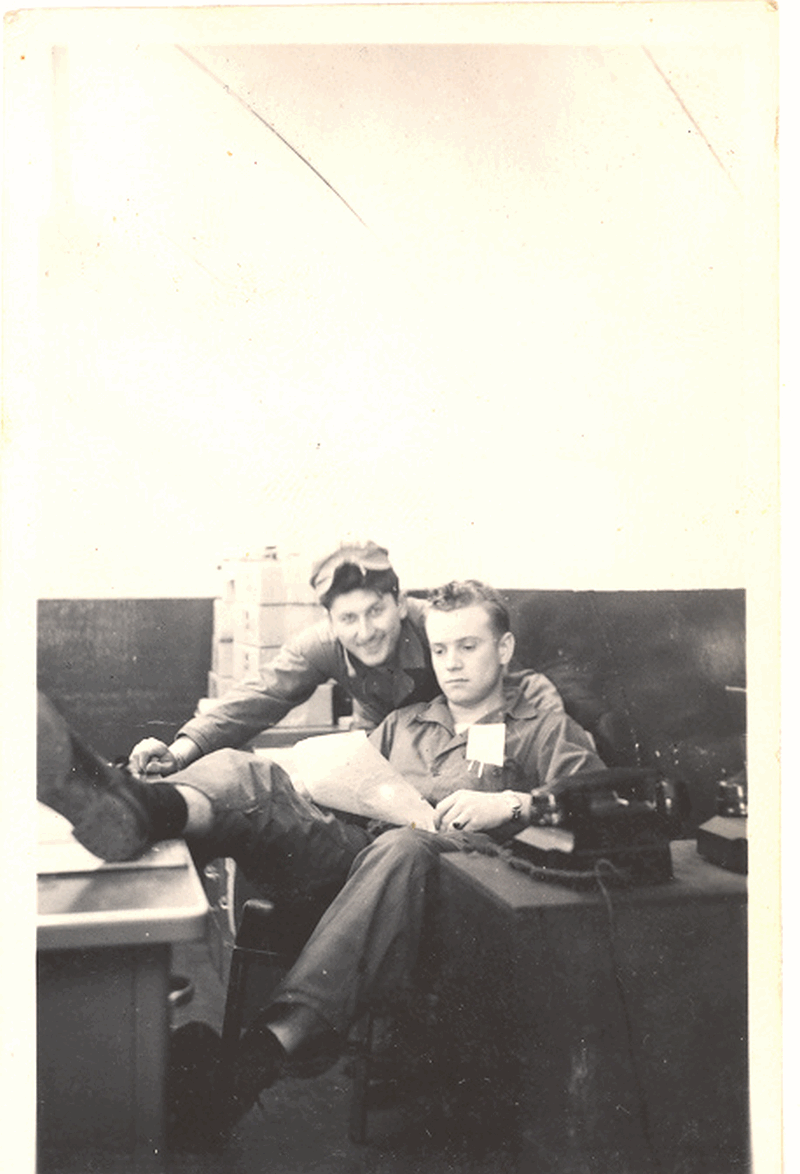
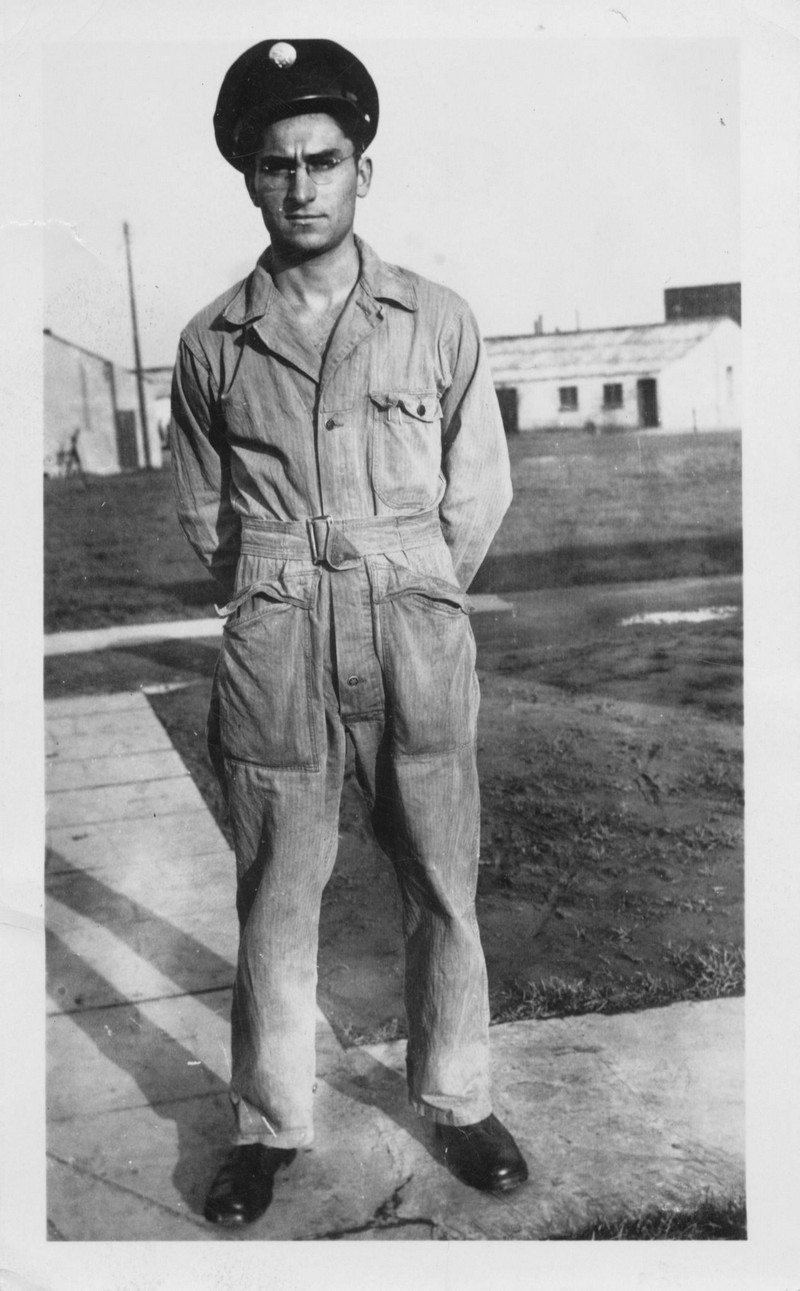
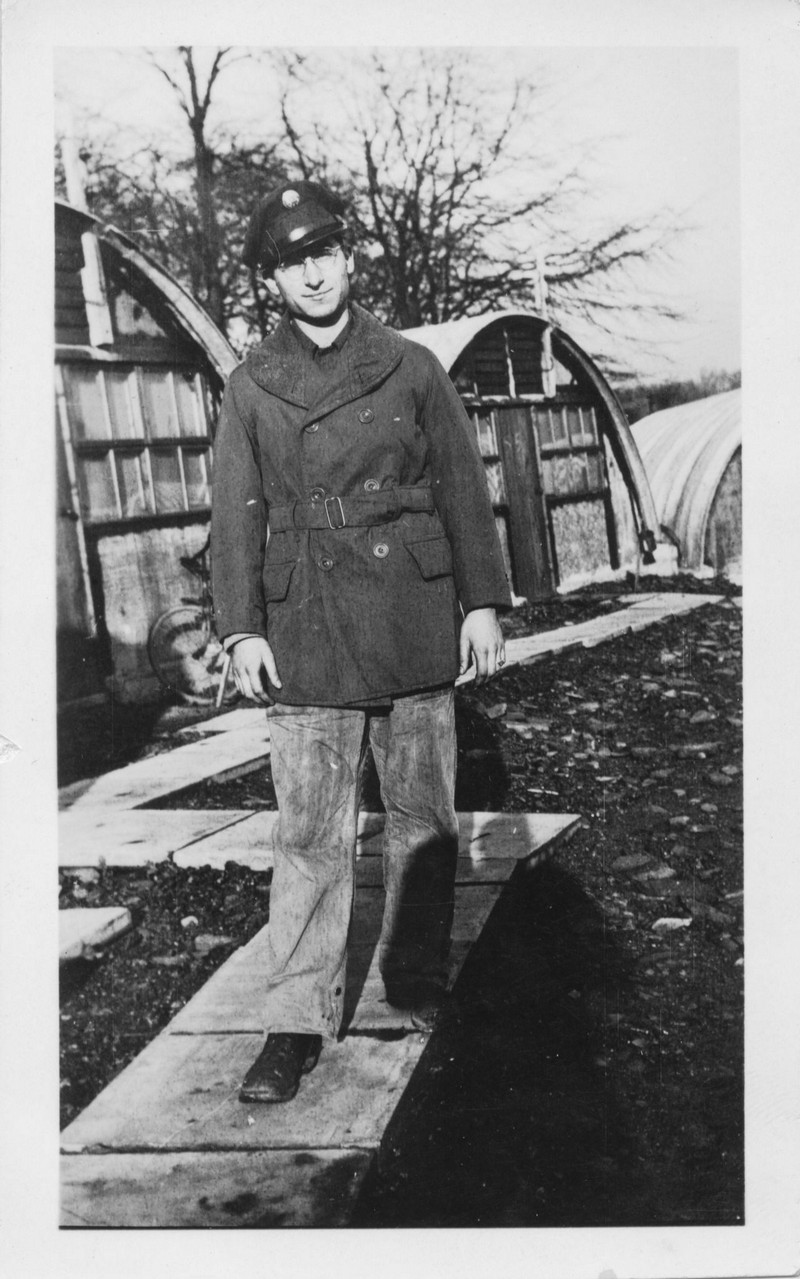
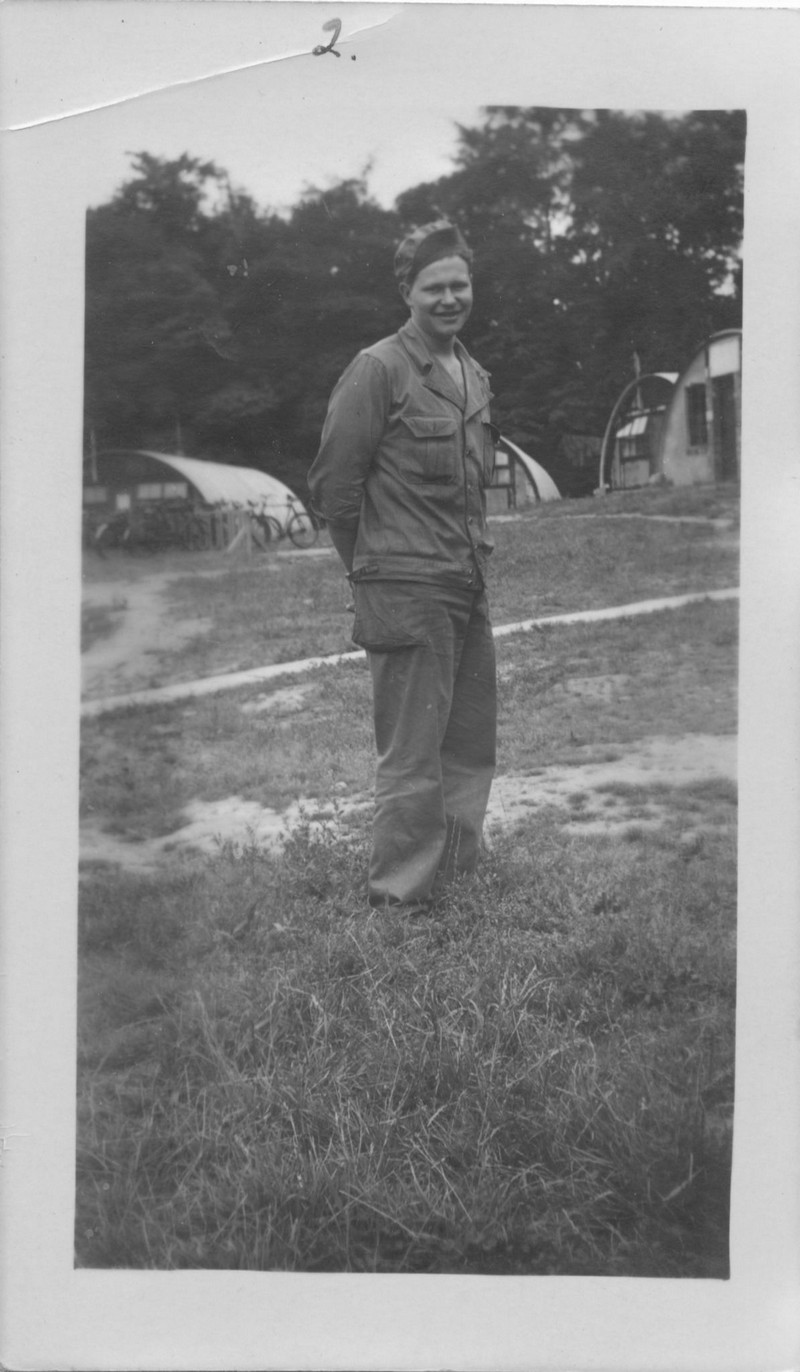
Stan Kaminski was billeted at Site 4. He worked at BRD Engine Repair Workshop & the following information and photos have been kindly sent to us by Stan Kaminski whose Dad Stanley L Kaminski served at BAD 1 Station 590 USAAF Burtonwood Warrington England. Most of Stanley's photos were taken on the East side of Burtonwood road at the [BRD] Burtonwood Repair Depot site.— the direct link to his page is here.
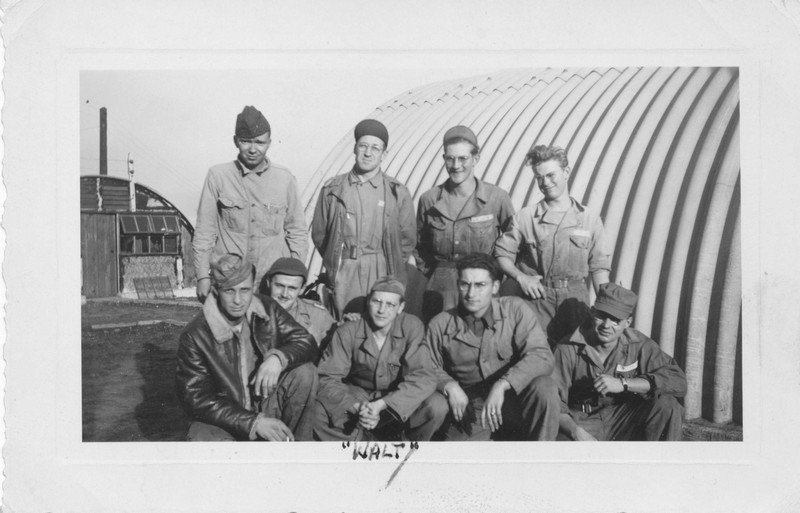

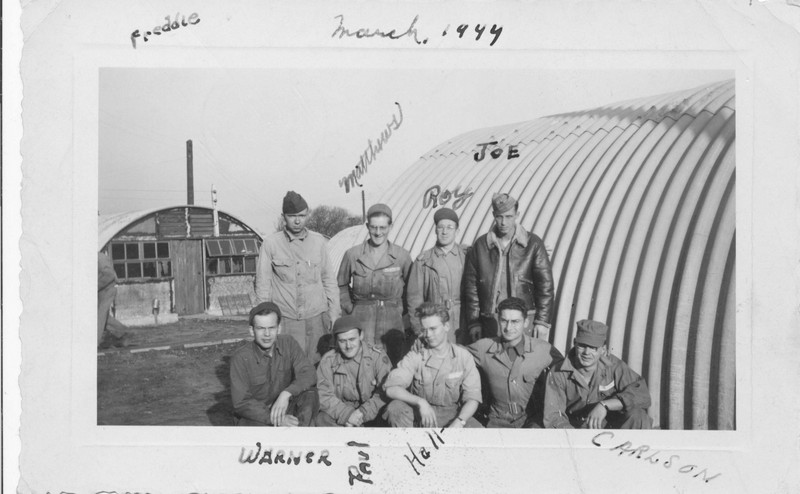
The Nissan huts were very cold to live in during the wintertime. Pot Belly Stoves were used to heat the Nissen huts.
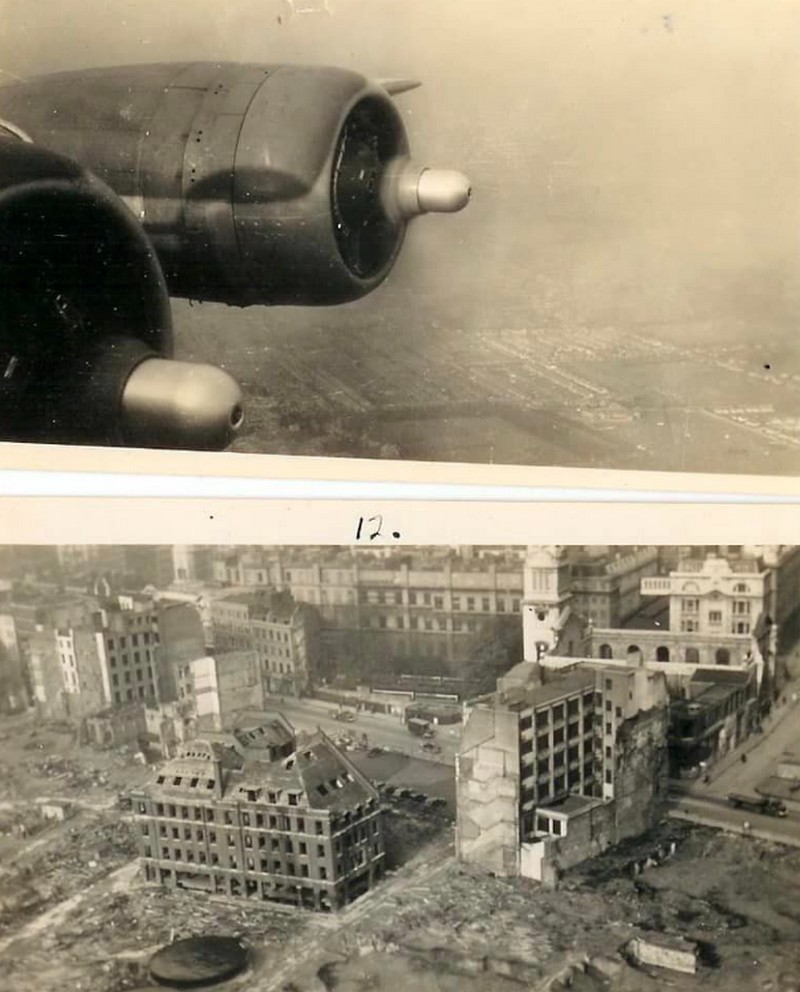
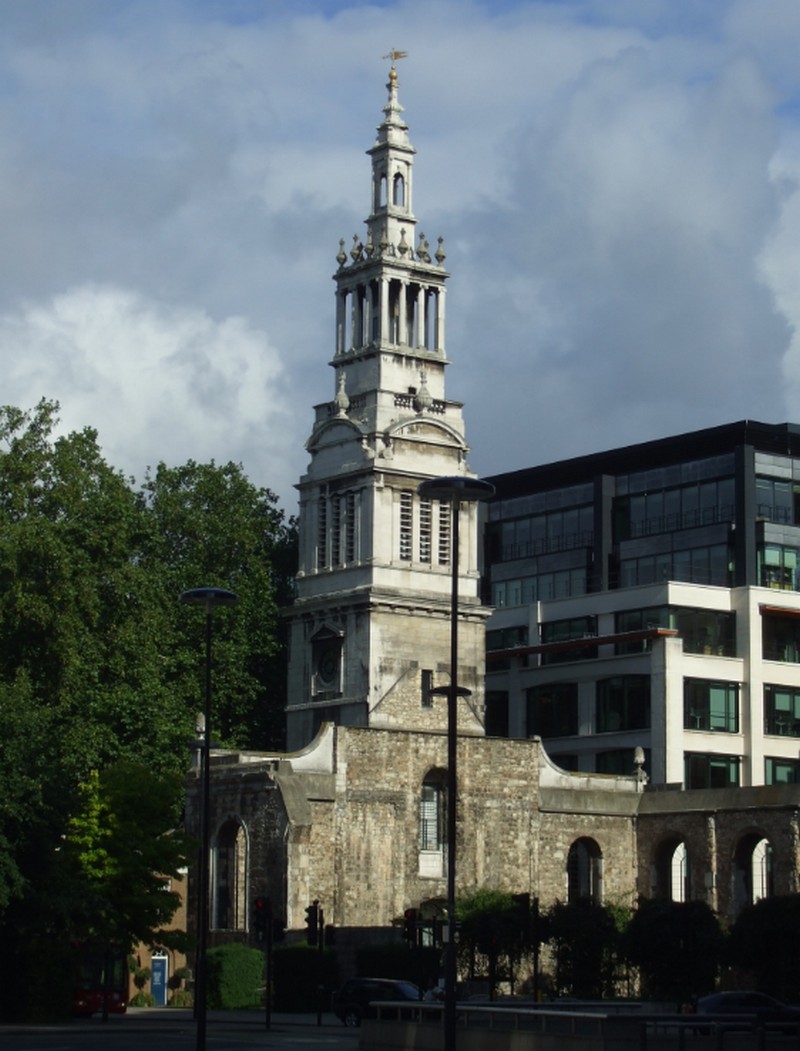
Christ Church Spitalfields can be seen on the top right of the bottom photo.
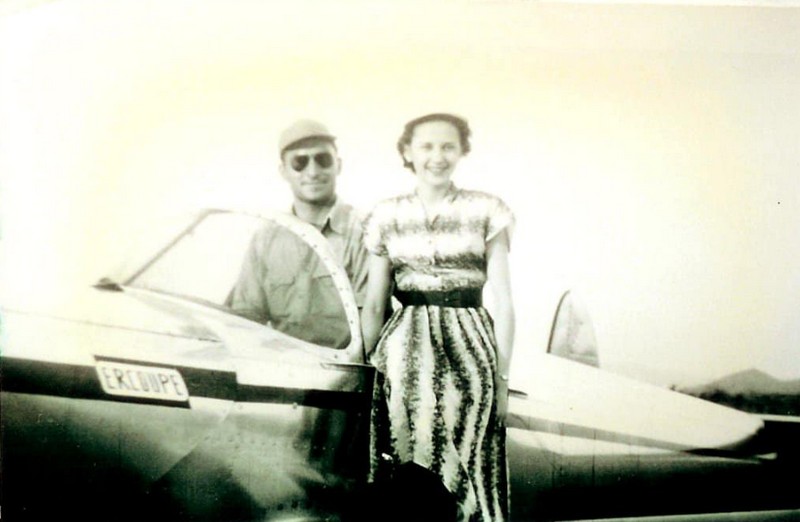
After the war Dad worked for Piper as a Line-Foreman of finished aircraft making J-3 Cubs at Lockhaven, Pennsylvania. This is the Ercoupe he bought with his earnings from Piper and the war. Dad was from Nanticoke, Pennsylvania.