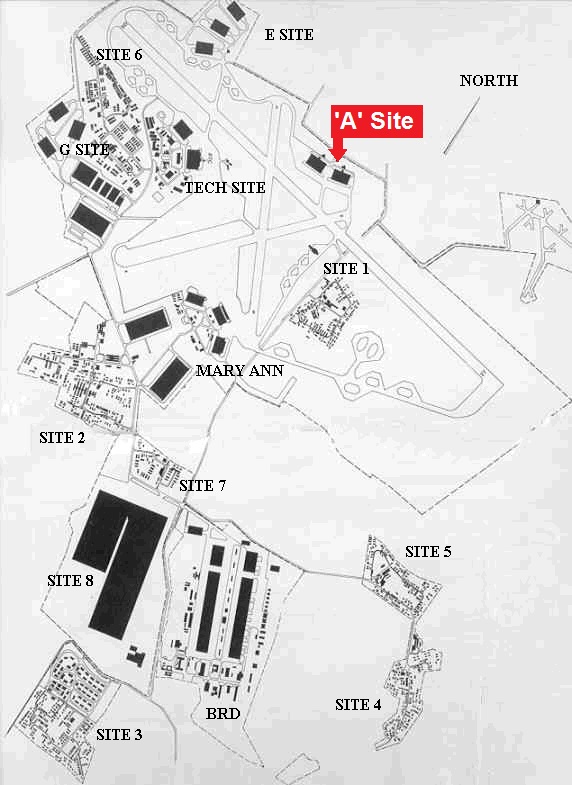
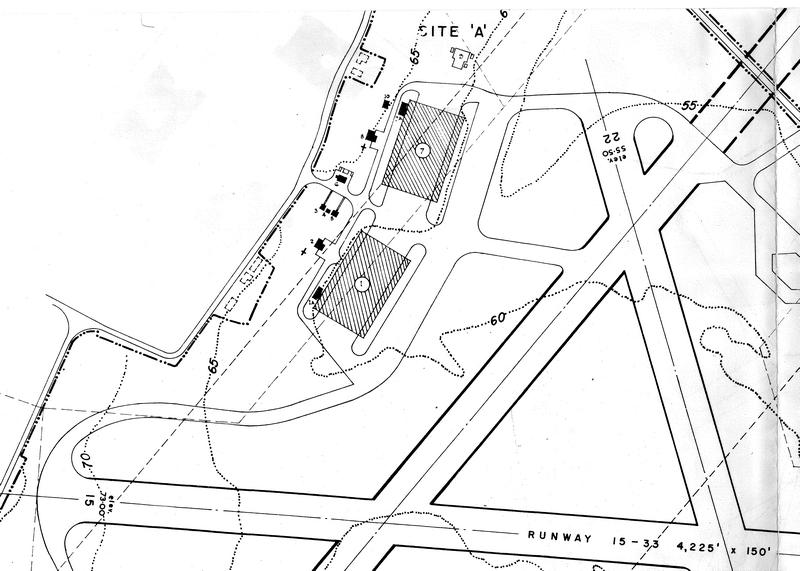
Site 'A' was located east of Site 'E' alongside the northern perimeter fence. The entrance gate was situated off Wright's Lane, with the gatehouse located on the left as you entered the site. On the site plan, the gatehouse was numbered 6.
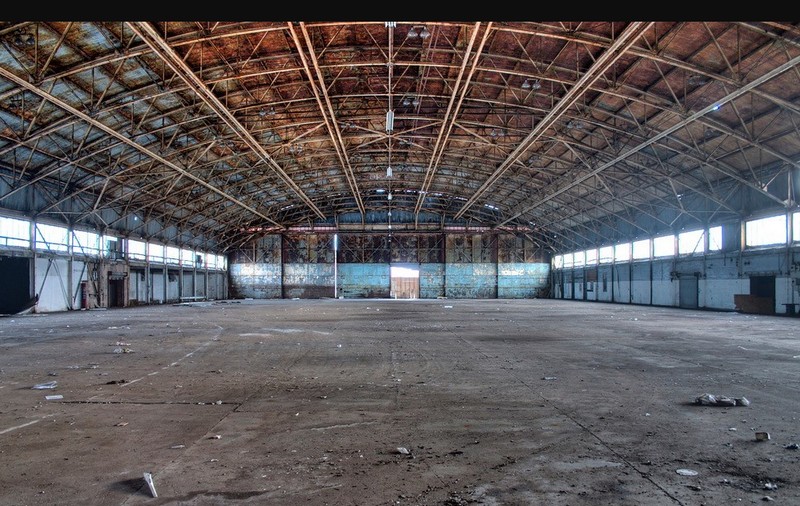
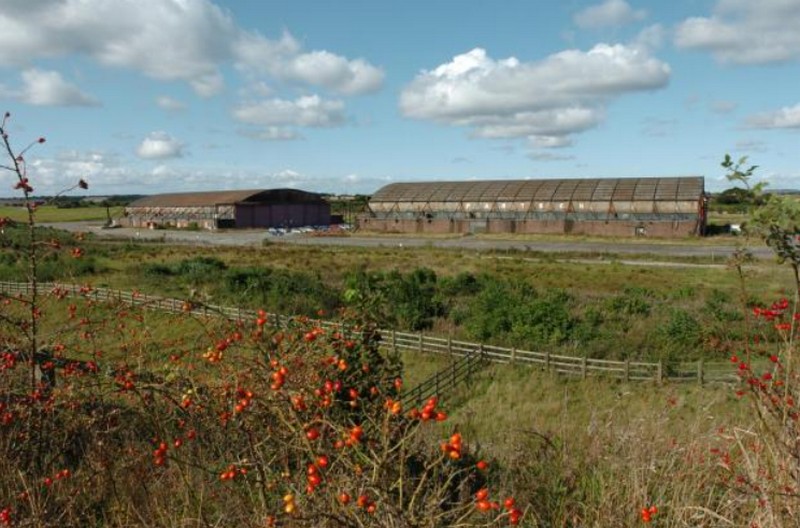
Two 'K' type hangars were constructed according to Air Ministry Drawing No. 3084/39, and were marked as hangars 1 and 7 on the site plan. These hangars were made from a steel lattice frame with a curved roof, all covered by 1/4 inch steel plate.
The sides of each hangar featured brick annexes that ran the full length of both sides. These annexes supported reinforced concrete flat roofs. The hangar doors themselves were filled with gravel or sand, designed to absorb enemy gunfire.
The dimensions of the hangars were substantial: the door openings were 150 feet wide and 30 feet high, while the length of the hangar was 300 feet, comprising 18 bays. Each bay measured 16 feet 8 inches in depth, giving a total coverage area of 46,206 square feet. This type of hangar was not unique to this site but was also built at other aircraft service units throughout the country.
The 'K' type hangars were designed for storing and maintaining aircraft, with the annexes serving as storage spaces. A similar hangar was also constructed across the airfield on the Technical site.
Although 'A' Site was not fully constructed until February 1st, 1941, it was initially known as 'No. 4 Storage Site'. In 1941, the 37 Maintenance Unit (MU) moved to 'A' Site. On July 15th, 1942, the site was taken over by the USAAF and used for the maintenance and modification of various aircraft types.
Flight testing also took place at 'A' Site before being moved to the Technical Site in early 1944. In 1943, the USAAF expanded the aircraft hard standings by laying down 5,300 yards of concrete.
At the conclusion of World War II, control of 'A' Site returned to the RAF. However, in September 1948, the USAF returned. The Americans vacated the site in the late 1950s, and control was once again handed back to the RAF on June 18th, 1965.
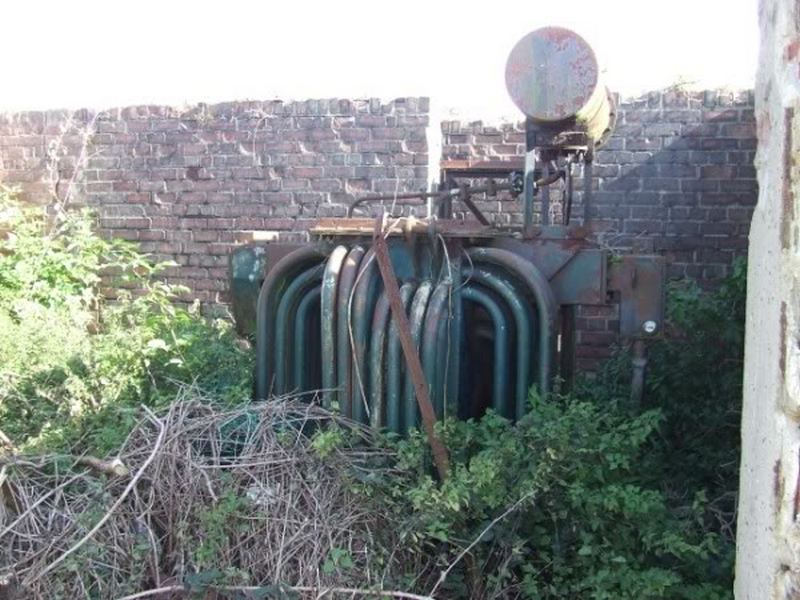
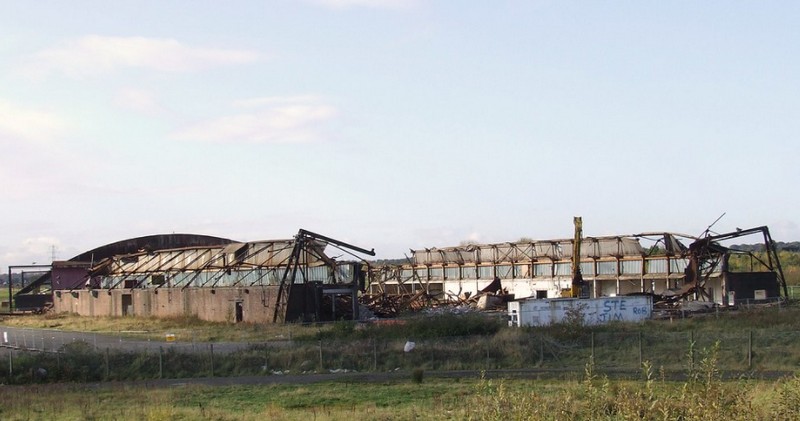
'A' Site was ultimately demolished in November 2008. The area has since been redeveloped into an industrial estate. A new approach road now leads to both 'A' and 'E' Sites from Burtonwood Road, and this road has been named Lockheed Road, in honor of the famous P-38 Lockheed Lightning aircraft.
Note the Camouflage Netting Between Number 1 & 7 Hangars to Hide the Line of the Hangars.
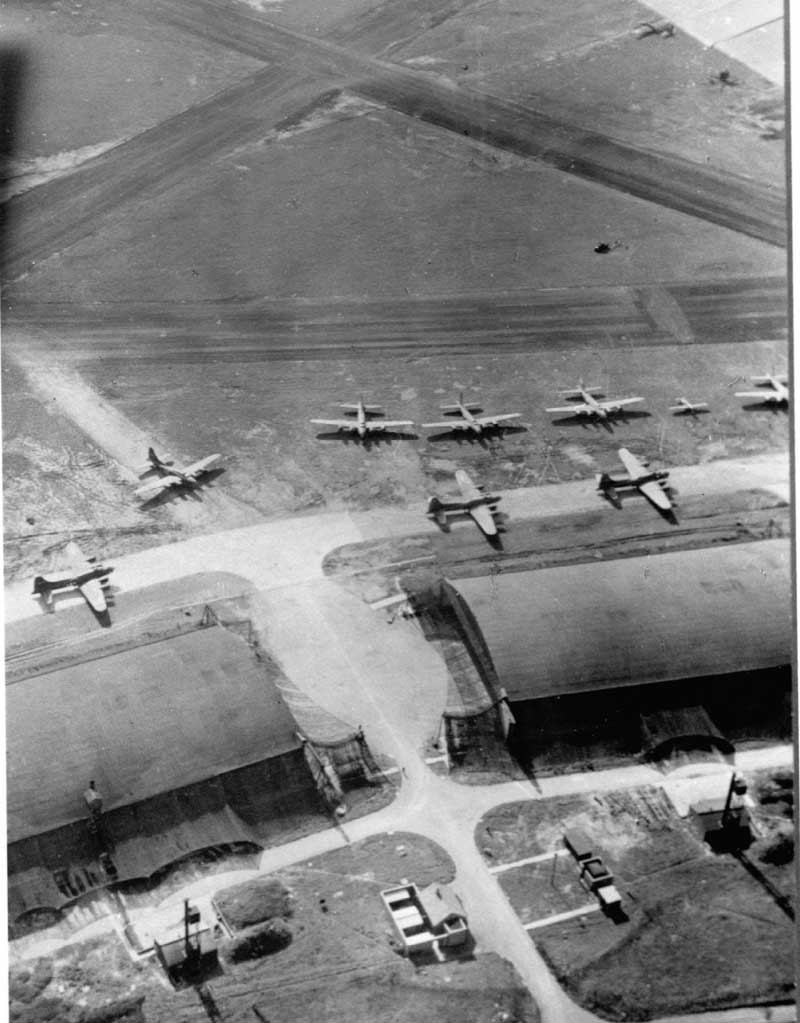
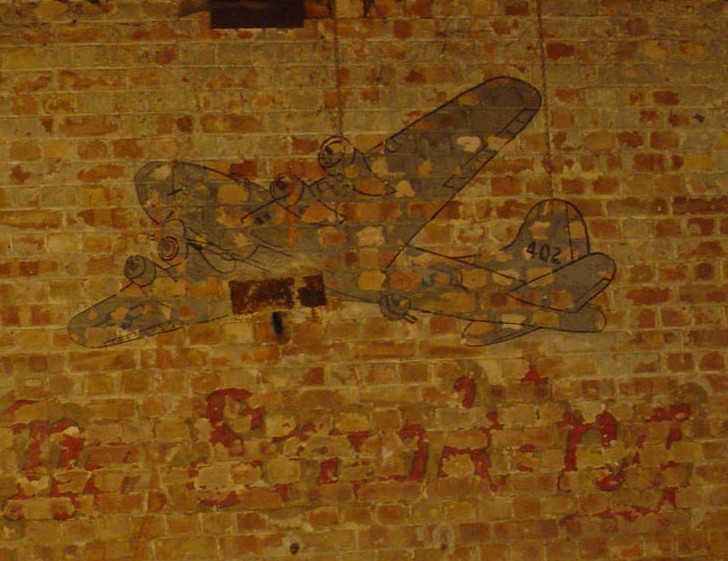
The Threshold of Runway 15 is on the Right of the Photo.
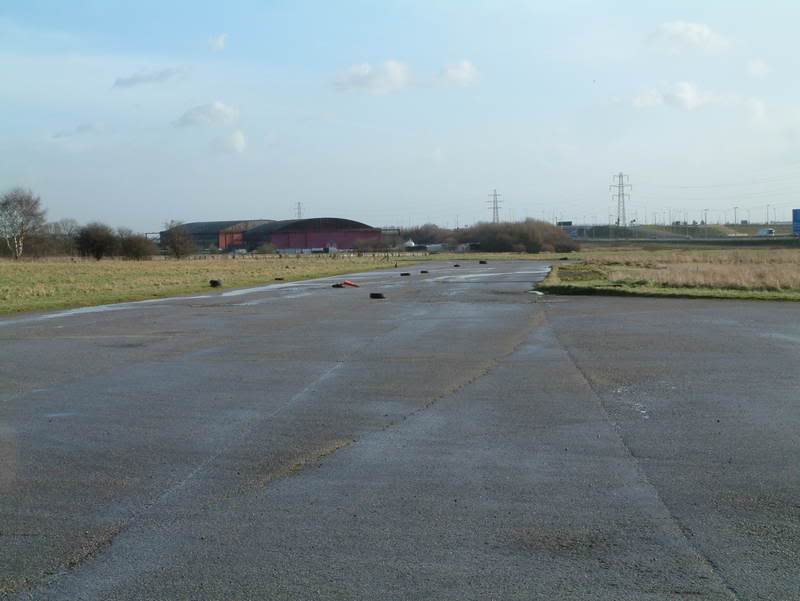
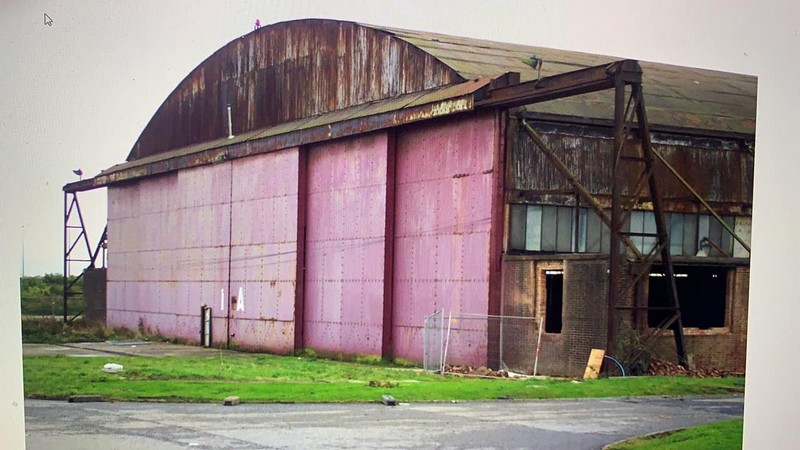
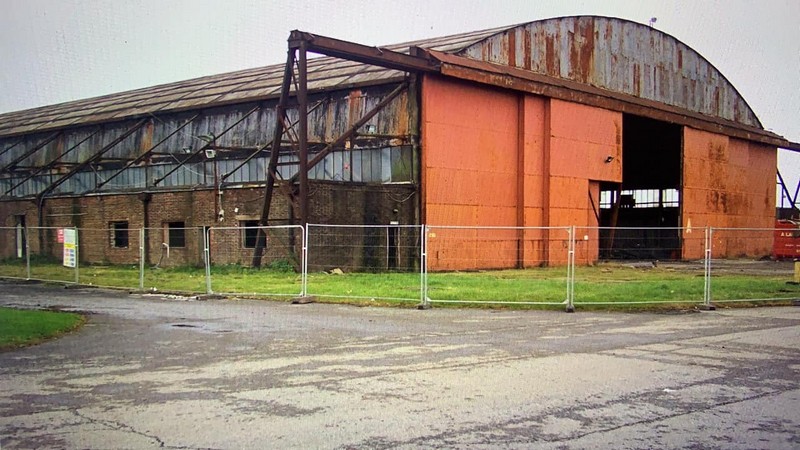
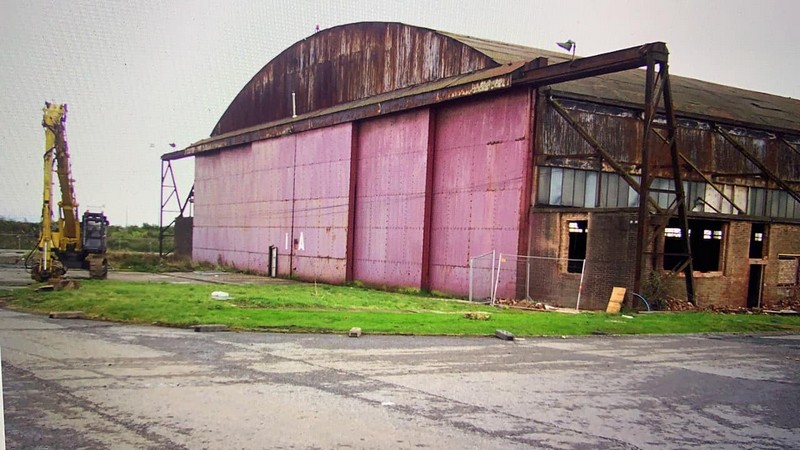
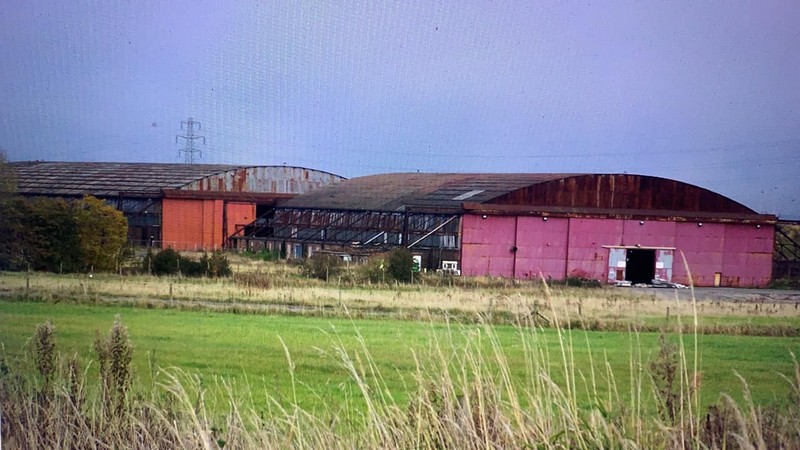
To the left is hangar 1 & to the right is hangar 7Door openings of the hangars are 150 feet wide by 30 feet highThe Length of the hangar was 300 feet long comprising of 18 baysEach bay was 16 feet 8 inches in depth total coverage was 46,206 square feet
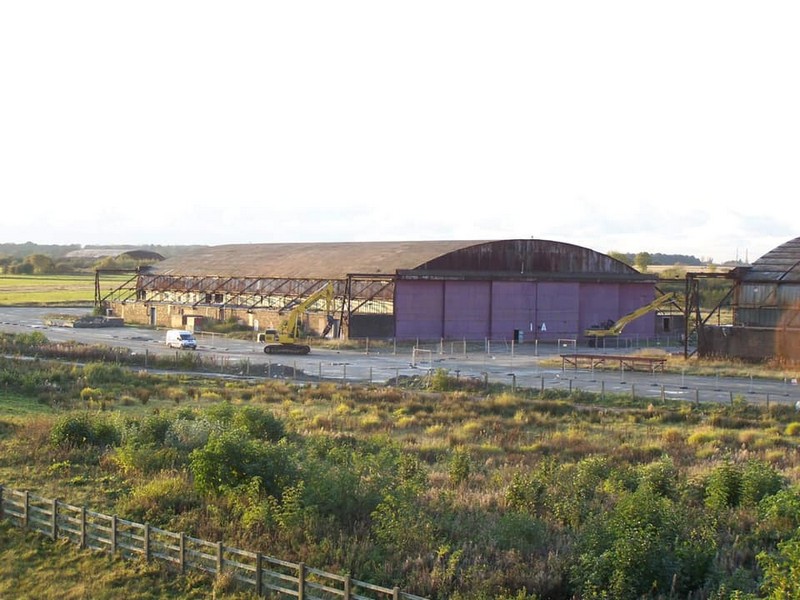
Hangar 1The side of each hangar had brick annexes running down the full length of both sidesThe brick annexes supported the reinforced concrete Annexe flat roof

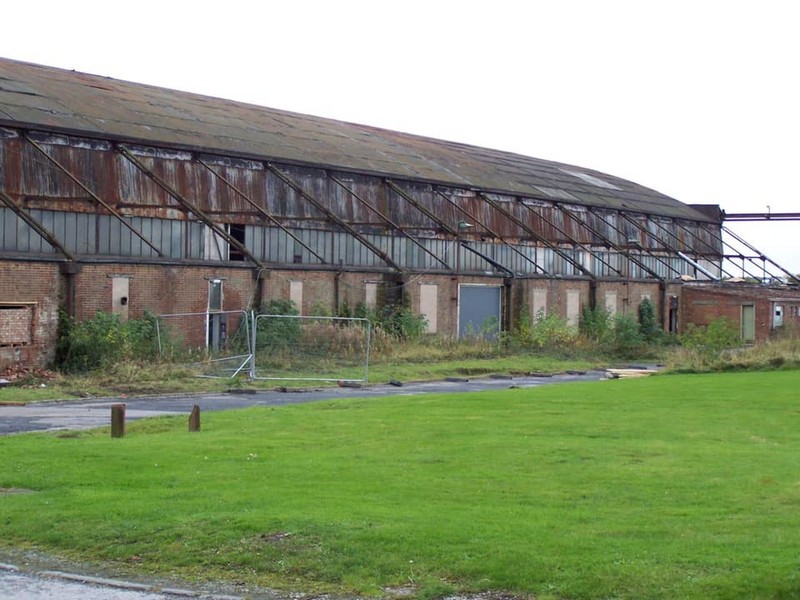
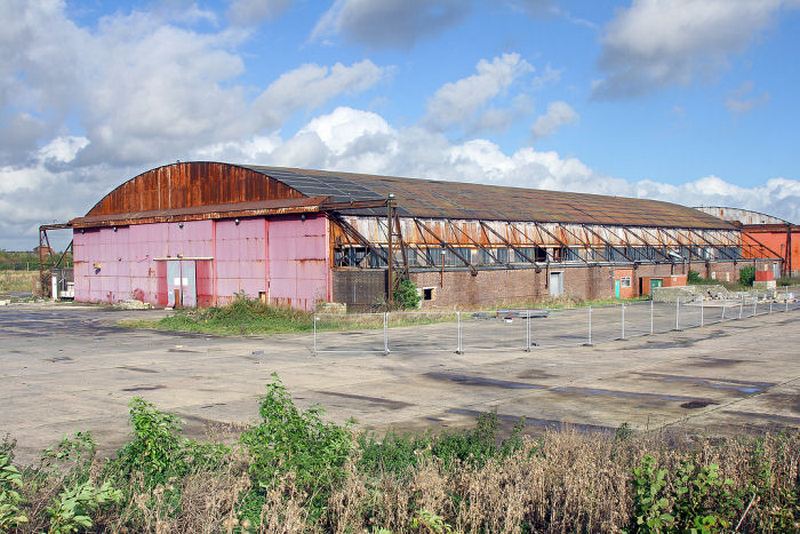
%20a%20site.jpg)
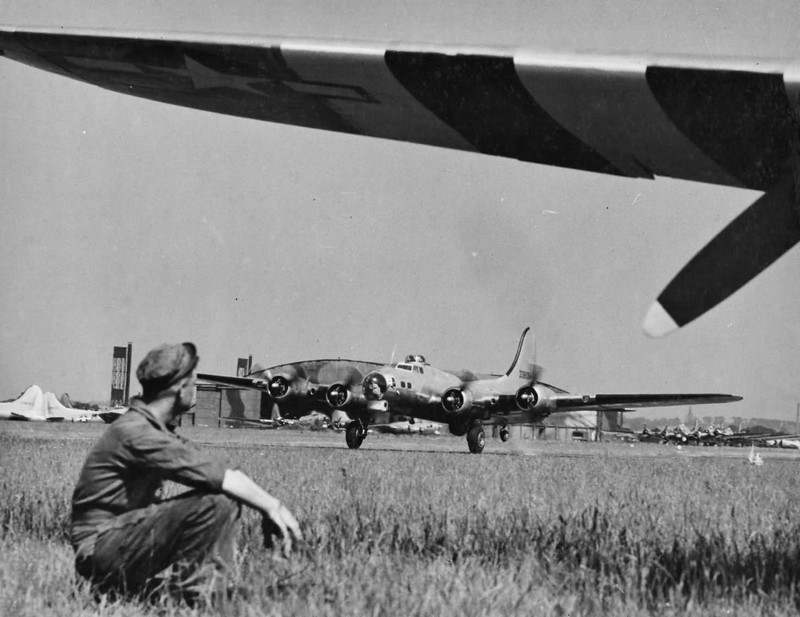
The 2 K type hangars can be seen in the background. On the horizon Just visible under the B-17's right wing is the church of St Oswald's Winwick.
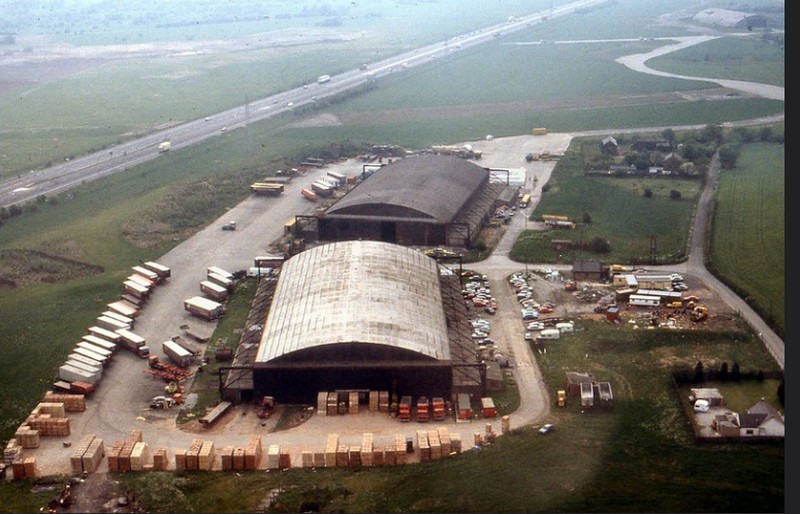
Hangar 7 is in the foreground. Hangar 1 is in the background.
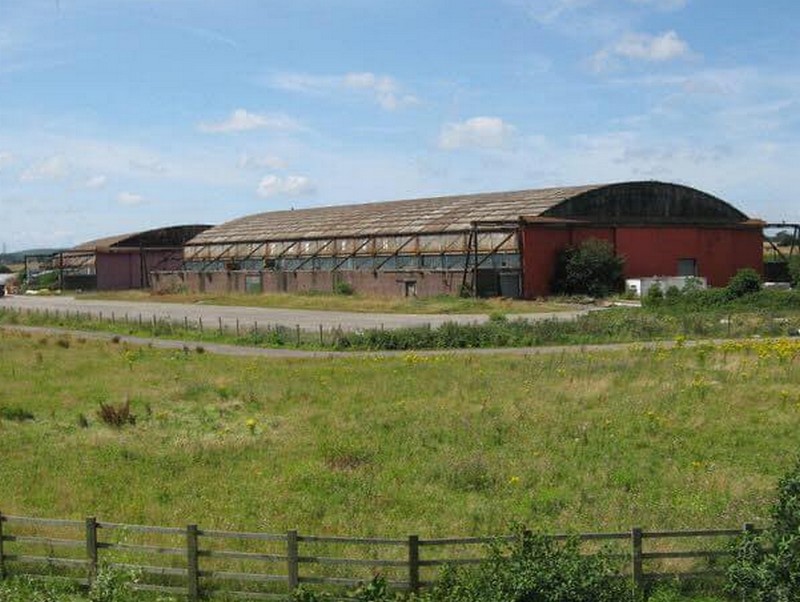
The photo was taken just before the demolition of the hangar.

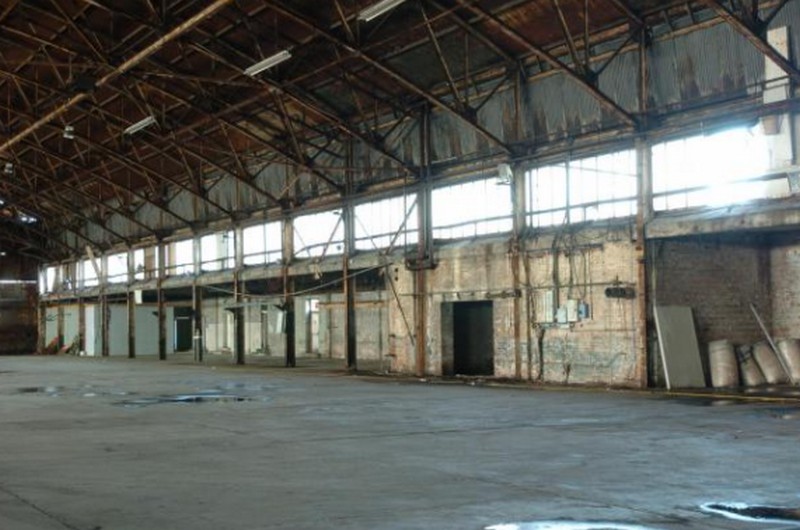
The photo was taken just before the demolition of the hangar.
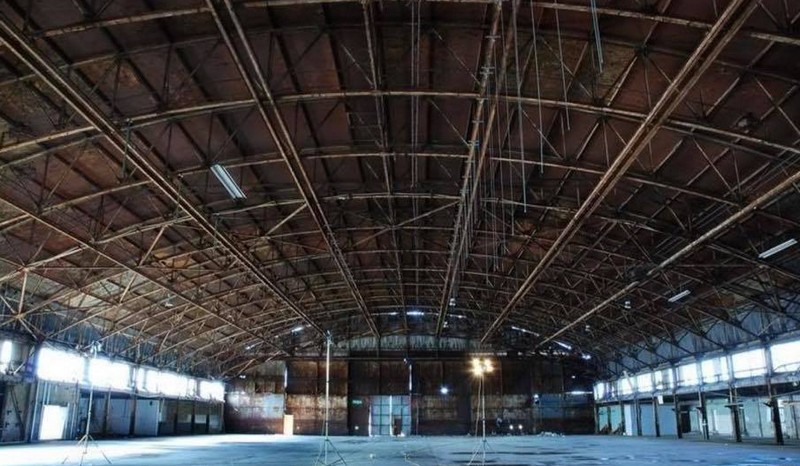
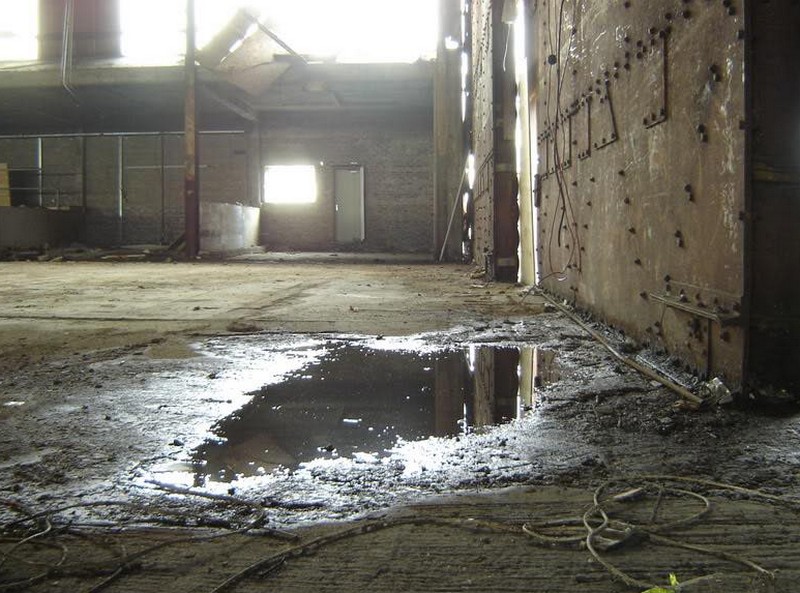
The inside of the doors were filled with sand or gravel. This offered some protection from enemy gun fire and bombs.
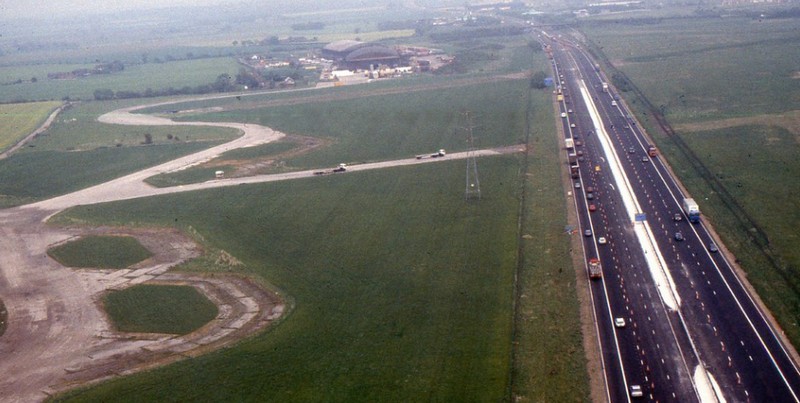
Hangar 7 is in the foreground. Hangar 1 is in the background (looking West) The M62 Motorway has been built over the main runway 09/27. Photo taken 1989 by Eddie Whitham. Eddie was the US army official photographer at the time.
'A' site in the back ground. Photo taken 1989 by Eddie Whitham.
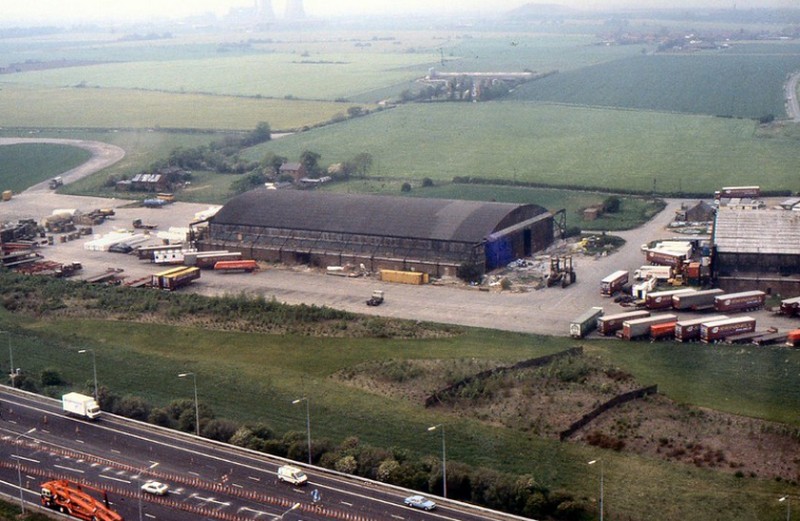
Hangar 1 is in the background
Looking North In the background is the 2 K-type hangars on A site and at the bottom left is the aircraft parking apron on the technical site - taken ww2
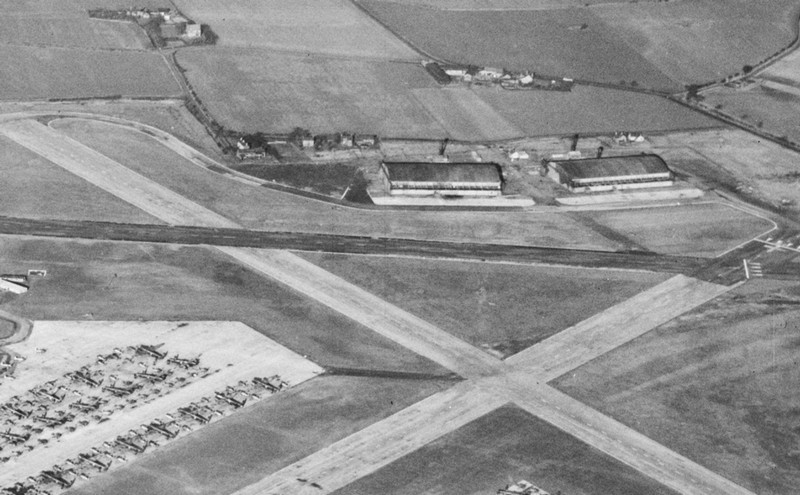

Runway number 15 is seen in the center of the photo bisected by the M62 Motorway. In the background is the North perimeter track leading to the K-Type hangars on A-Site
Aircraft to be seen are Republic P-47 Thunderbolts, Consolidated B-24 Liberators, Boeing B-17 Flying Fortress, and RAF De-Havilland Mosquitos To the left in the background is the Technical site